



Rethinking Minijobs: A Bold Pension Reform

Daily Monitor
September 20, 2026
Rethinking Minijobs: A Bold Pension Reform
CDU’s Carsten Linnemann defends a controversial proposal to make minijobs subject to pension contributions.
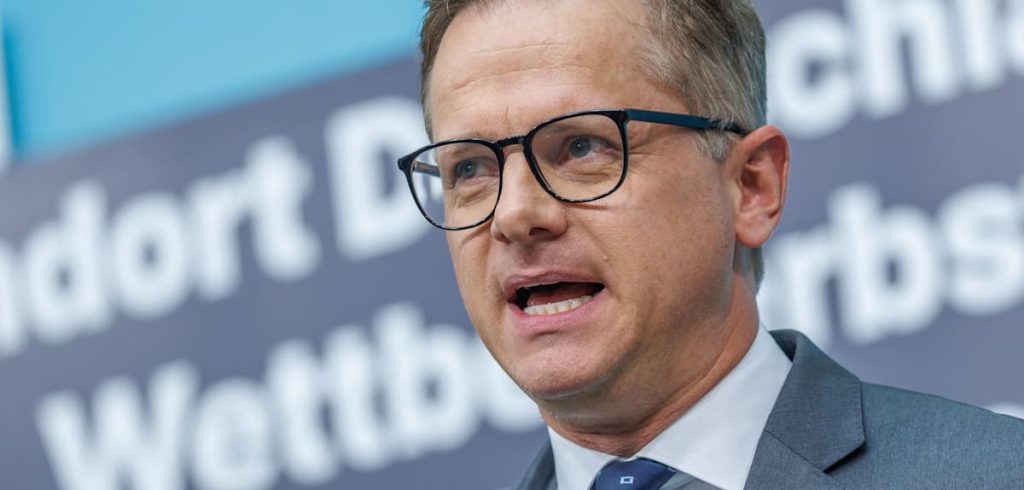
In a move that has sparked widespread debate, Carsten Linnemann, Secretary-General of Germany’s Christian Democratic Union (CDU), has voiced strong support for a proposal to reform the country’s minijob system. Speaking on the ARD program ‘Report from Berlin,’ Linnemann emphasized the necessity of including minijobs—part-time positions with earnings capped at €603 per month—within the framework of mandatory pension contributions. ‘Even those with a minijob must prepare for retirement,’ he asserted, aligning himself with the recommendations of a government-appointed pension commission.
The proposed reform, which seeks to abolish the special tax and social security exemptions currently afforded to minijobs, has ignited fierce opposition from various quarters. Business associations, in particular, have criticized the plan, arguing that it could impose undue financial burdens on small businesses and deter employers from offering such positions. The commission, however, has suggested that exceptions could be made for students, aiming to strike a balance between inclusivity and practicality.
Linnemann’s endorsement of the proposal underscores the broader objectives of Germany’s pension reform efforts, which are being spearheaded by the coalition government. The reform seeks to address long-term sustainability challenges in the country’s pension system, ensuring that all workers, regardless of income level, contribute to their future financial security. ‘This is about fairness and responsibility,’ Linnemann explained, framing the inclusion of minijobs in the pension system as a step toward greater equity.
The debate over minijobs is part of a larger conversation about economic policy in Germany, including discussions on income tax reform. Linnemann has called for a balanced approach to tax relief, emphasizing the need for countermeasures to offset potential revenue losses. When asked about the possibility of increasing taxes on the wealthy to fund such reforms, he stated, ‘I cannot rule it out,’ while firmly opposing any measures that would place additional strain on the middle class and small businesses.
As Germany grapples with the complexities of pension and tax reform, the fate of minijobs remains uncertain. What is clear, however, is that the debate touches on fundamental questions about social equity, economic sustainability, and the role of government in shaping the future of work. For now, Linnemann’s remarks have added fuel to an already heated discussion, ensuring that the issue will remain at the forefront of Germany’s political agenda.
The proposed reform, which seeks to abolish the special tax and social security exemptions currently afforded to minijobs, has ignited fierce opposition from various quarters. Business associations, in particular, have criticized the plan, arguing that it could impose undue financial burdens on small businesses and deter employers from offering such positions. The commission, however, has suggested that exceptions could be made for students, aiming to strike a balance between inclusivity and practicality.
Linnemann’s endorsement of the proposal underscores the broader objectives of Germany’s pension reform efforts, which are being spearheaded by the coalition government. The reform seeks to address long-term sustainability challenges in the country’s pension system, ensuring that all workers, regardless of income level, contribute to their future financial security. ‘This is about fairness and responsibility,’ Linnemann explained, framing the inclusion of minijobs in the pension system as a step toward greater equity.
The debate over minijobs is part of a larger conversation about economic policy in Germany, including discussions on income tax reform. Linnemann has called for a balanced approach to tax relief, emphasizing the need for countermeasures to offset potential revenue losses. When asked about the possibility of increasing taxes on the wealthy to fund such reforms, he stated, ‘I cannot rule it out,’ while firmly opposing any measures that would place additional strain on the middle class and small businesses.
As Germany grapples with the complexities of pension and tax reform, the fate of minijobs remains uncertain. What is clear, however, is that the debate touches on fundamental questions about social equity, economic sustainability, and the role of government in shaping the future of work. For now, Linnemann’s remarks have added fuel to an already heated discussion, ensuring that the issue will remain at the forefront of Germany’s political agenda.
Drafted & Edited by Investigative Desk | AboMatrix