



Putin Confronts Fuel Crisis Amid Ukraine Strikes

Daily Monitor
September 20, 2026
Putin Confronts Fuel Crisis Amid Ukraine Strikes
Russian President Vladimir Putin acknowledges severe fuel shortages following intensified Ukrainian attacks on oil infrastructure.
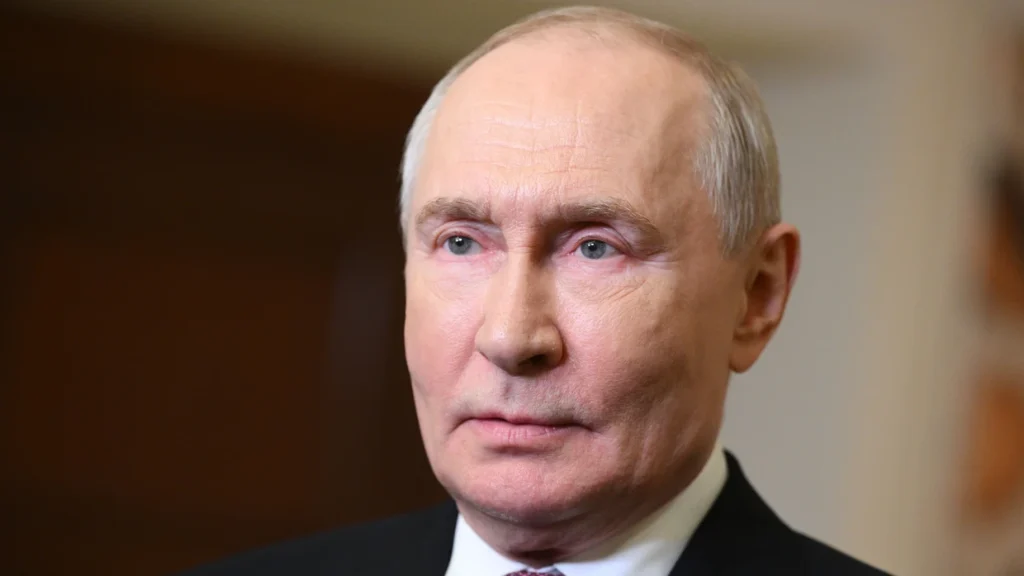
Russian President Vladimir Putin has publicly acknowledged the mounting fuel shortages across the nation, a crisis exacerbated by intensified Ukrainian strikes on key oil facilities. During a high-stakes emergency meeting with top officials and oil industry leaders, Putin emphasized the urgent need to mitigate the impact of what he described as ‘terrorist attacks’ on Russia’s civilian infrastructure. The meeting, held against the backdrop of growing domestic unrest, highlighted the Kremlin’s struggle to address the ripple effects of the ongoing conflict.
The Ukrainian military has ramped up its assaults on Russian oil refineries and other critical energy installations, leading to widespread disruptions in fuel availability. Putin admitted that long queues at gas stations have become a common sight, with certain fuel types now in short supply. To combat the crisis, the Russian government is reportedly considering an export ban on diesel fuel and has begun tapping into its strategic reserves. These measures, however, may only provide temporary relief as the nation grapples with deeper systemic challenges.
The fuel shortages have had a profound impact on daily life across Russia, with the situation particularly dire in regions like Crimea, which Russia annexed in 2014. On the peninsula, gas stations have ceased supplying fuel to private citizens altogether, underscoring the severity of the crisis. Putin had previously called for a significant increase in fuel production by July, urging industry leaders to act ‘clearly, swiftly, and competently’ to safeguard the interests of the nation and its citizens. Yet, the escalating conflict has rendered these goals increasingly elusive.
This crisis is emblematic of the broader challenges facing Russia as it navigates the geopolitical and economic fallout of its war in Ukraine. The strikes on oil infrastructure not only disrupt domestic supply chains but also signal Ukraine’s strategic intent to weaken Russia’s economic resilience. Meanwhile, Poland has raised alarms over potential Russian provocations along NATO’s eastern flank, further complicating the regional security landscape. As the war drags on, the Kremlin faces mounting pressure to stabilize its internal situation while countering external threats.
The Ukrainian military has ramped up its assaults on Russian oil refineries and other critical energy installations, leading to widespread disruptions in fuel availability. Putin admitted that long queues at gas stations have become a common sight, with certain fuel types now in short supply. To combat the crisis, the Russian government is reportedly considering an export ban on diesel fuel and has begun tapping into its strategic reserves. These measures, however, may only provide temporary relief as the nation grapples with deeper systemic challenges.
The fuel shortages have had a profound impact on daily life across Russia, with the situation particularly dire in regions like Crimea, which Russia annexed in 2014. On the peninsula, gas stations have ceased supplying fuel to private citizens altogether, underscoring the severity of the crisis. Putin had previously called for a significant increase in fuel production by July, urging industry leaders to act ‘clearly, swiftly, and competently’ to safeguard the interests of the nation and its citizens. Yet, the escalating conflict has rendered these goals increasingly elusive.
This crisis is emblematic of the broader challenges facing Russia as it navigates the geopolitical and economic fallout of its war in Ukraine. The strikes on oil infrastructure not only disrupt domestic supply chains but also signal Ukraine’s strategic intent to weaken Russia’s economic resilience. Meanwhile, Poland has raised alarms over potential Russian provocations along NATO’s eastern flank, further complicating the regional security landscape. As the war drags on, the Kremlin faces mounting pressure to stabilize its internal situation while countering external threats.
Drafted & Edited by Investigative Desk | AboMatrix