



Higher Taxes on Spirits: A Sobering Debate

Daily Monitor
September 20, 2026
Higher Taxes on Spirits: A Sobering Debate
Germany’s finance minister proposes increased taxes on spirits, sparking debates over health policy and fiscal priorities.
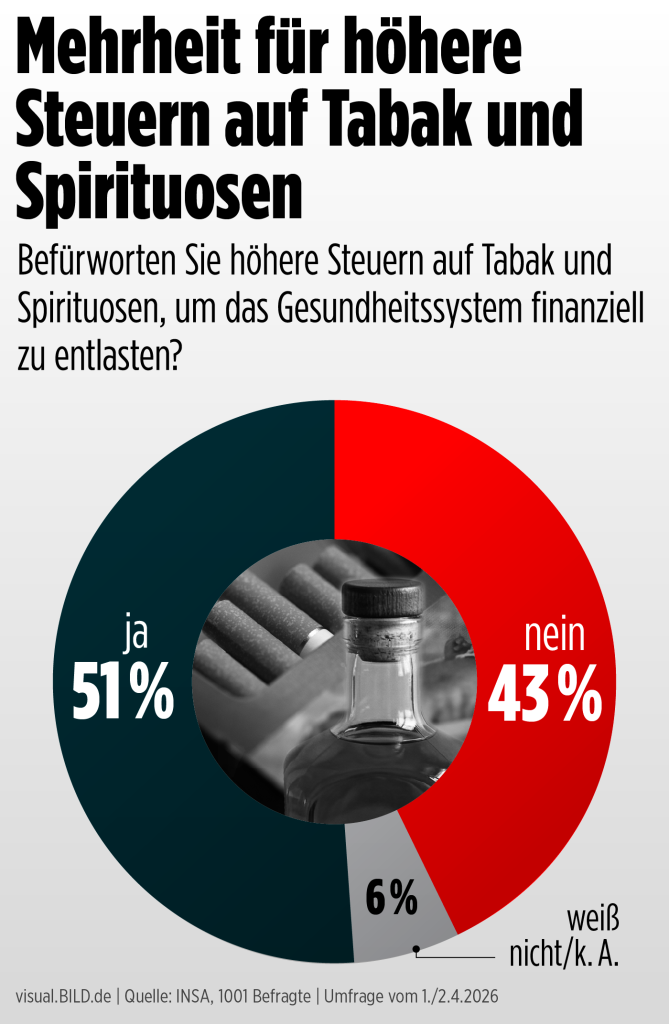
In a move that has stirred both economic and ethical debates, Germany’s Federal Finance Minister Lars Klingbeil has announced plans to impose higher taxes on spirits starting next year. The initiative, expected to generate an additional €400 million annually, is being framed primarily as a fiscal measure rather than a health-driven policy. While the government has been transparent about its financial motivations, critics argue that the proposal sidesteps deeper health concerns tied to alcohol consumption.
The decision comes amidst growing scientific consensus that no level of alcohol consumption is entirely risk-free. Health experts have long advocated for stricter measures to curb alcohol-related harm, including significantly higher taxes on high-proof beverages. A reform commission led by Health Minister Nina Warken had previously recommended more aggressive taxation policies to address these concerns. However, Klingbeil’s plan stops short of such recommendations, focusing instead on revenue generation rather than public health reform.
One glaring contradiction in Germany’s alcohol policy is the legal consumption of alcohol by minors under certain conditions. Medical research underscores that the human brain continues to develop until the mid-20s, making early exposure to alcohol particularly harmful. Critics argue that if the government were genuinely committed to safeguarding public health, it would not only increase taxes on spirits but also extend such measures to beer and wine, which remain untouched in Klingbeil’s proposal.
This paradox highlights a broader issue: the state’s dual role as both a protector of public health and a beneficiary of alcohol and tobacco revenues. Germany earns billions annually from taxes on these products, even as it warns citizens about their risks. Some suggest that the government should either fully embrace individual responsibility by taxing alcohol and tobacco like ordinary goods or take a more radical stance by banning products it deems harmful. The current approach, they argue, reflects a troubling inconsistency.
As the debate unfolds, it raises critical questions about the balance between fiscal policy and public health. While higher taxes on spirits may bolster government coffers, they do little to address the deeper societal and medical challenges posed by alcohol consumption. For now, the proposal remains a stark reminder of the complexities inherent in policymaking, where economic interests often collide with ethical imperatives.
The decision comes amidst growing scientific consensus that no level of alcohol consumption is entirely risk-free. Health experts have long advocated for stricter measures to curb alcohol-related harm, including significantly higher taxes on high-proof beverages. A reform commission led by Health Minister Nina Warken had previously recommended more aggressive taxation policies to address these concerns. However, Klingbeil’s plan stops short of such recommendations, focusing instead on revenue generation rather than public health reform.
One glaring contradiction in Germany’s alcohol policy is the legal consumption of alcohol by minors under certain conditions. Medical research underscores that the human brain continues to develop until the mid-20s, making early exposure to alcohol particularly harmful. Critics argue that if the government were genuinely committed to safeguarding public health, it would not only increase taxes on spirits but also extend such measures to beer and wine, which remain untouched in Klingbeil’s proposal.
This paradox highlights a broader issue: the state’s dual role as both a protector of public health and a beneficiary of alcohol and tobacco revenues. Germany earns billions annually from taxes on these products, even as it warns citizens about their risks. Some suggest that the government should either fully embrace individual responsibility by taxing alcohol and tobacco like ordinary goods or take a more radical stance by banning products it deems harmful. The current approach, they argue, reflects a troubling inconsistency.
As the debate unfolds, it raises critical questions about the balance between fiscal policy and public health. While higher taxes on spirits may bolster government coffers, they do little to address the deeper societal and medical challenges posed by alcohol consumption. For now, the proposal remains a stark reminder of the complexities inherent in policymaking, where economic interests often collide with ethical imperatives.
Drafted & Edited by Investigative Desk | AboMatrix