



Reviving Democracy: 10,000 Pubs for Germany

Daily Monitor
September 20, 2026
Reviving Democracy: 10,000 Pubs for Germany
Could the humble pub be the key to restoring democratic engagement in Germany?
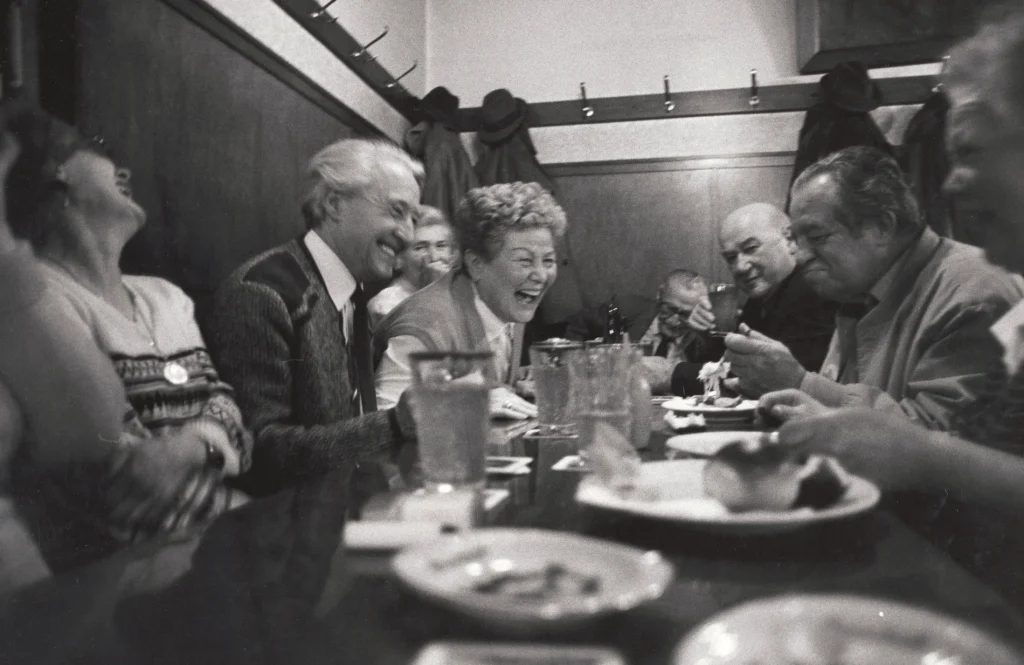
In an era marked by increasing social isolation and political disillusionment, a bold initiative has emerged in Germany: the proposal to establish 10,000 new pubs as hubs of democratic engagement. While pubs are often stereotyped as spaces of raucous revelry and excessive drinking, this initiative reimagines them as vital community spaces where dialogue, trust, and civic participation can flourish. The idea challenges conventional perceptions, suggesting that these informal gathering places could play a pivotal role in revitalizing democracy.
The concept of the pub as a democratic space may seem unconventional, but it is rooted in the understanding that democracy thrives on human connection. Public houses, or ‘kneipen,’ have historically served as venues for conversation, debate, and the exchange of ideas. They are places where individuals from diverse backgrounds can come together, fostering mutual understanding and trust. In a time when public spaces are shrinking and loneliness is on the rise, the absence of such communal hubs poses a threat not only to social cohesion but also to democratic culture.
Research underscores the urgency of this issue. According to the German Ministry for Family Affairs’ ‘Loneliness Barometer,’ social isolation disproportionately affects the elderly, the economically disadvantaged, and individuals with migrant backgrounds. This isolation often leads to disengagement from civic and political life, eroding trust in democratic institutions. The decline of pubs, which have historically served as accessible meeting points for these communities, exacerbates this trend. Between 2016 and 2024, the number of pubs in Germany plummeted from 30,725 to just 21,822, according to the German Hotel and Restaurant Association (DEHOGA).
The proposed ‘Projekt 10.000’ aims to reverse this decline by creating new, low-threshold spaces for community interaction. Unlike elite cultural venues or exclusive clubs, pubs offer an egalitarian setting where individuals from all walks of life can engage in meaningful dialogue. By investing in the revival and establishment of pubs, Germany could address the dual crises of loneliness and democratic disengagement, particularly in underserved urban neighborhoods and rural areas.
This initiative is not merely about preserving a cultural tradition; it is a call to action to safeguard the very fabric of democracy. By recognizing the pub as more than just a place for leisure, but as a cornerstone of community and civic life, Germany has the opportunity to lead by example in fostering a more connected and participatory society.
The concept of the pub as a democratic space may seem unconventional, but it is rooted in the understanding that democracy thrives on human connection. Public houses, or ‘kneipen,’ have historically served as venues for conversation, debate, and the exchange of ideas. They are places where individuals from diverse backgrounds can come together, fostering mutual understanding and trust. In a time when public spaces are shrinking and loneliness is on the rise, the absence of such communal hubs poses a threat not only to social cohesion but also to democratic culture.
Research underscores the urgency of this issue. According to the German Ministry for Family Affairs’ ‘Loneliness Barometer,’ social isolation disproportionately affects the elderly, the economically disadvantaged, and individuals with migrant backgrounds. This isolation often leads to disengagement from civic and political life, eroding trust in democratic institutions. The decline of pubs, which have historically served as accessible meeting points for these communities, exacerbates this trend. Between 2016 and 2024, the number of pubs in Germany plummeted from 30,725 to just 21,822, according to the German Hotel and Restaurant Association (DEHOGA).
The proposed ‘Projekt 10.000’ aims to reverse this decline by creating new, low-threshold spaces for community interaction. Unlike elite cultural venues or exclusive clubs, pubs offer an egalitarian setting where individuals from all walks of life can engage in meaningful dialogue. By investing in the revival and establishment of pubs, Germany could address the dual crises of loneliness and democratic disengagement, particularly in underserved urban neighborhoods and rural areas.
This initiative is not merely about preserving a cultural tradition; it is a call to action to safeguard the very fabric of democracy. By recognizing the pub as more than just a place for leisure, but as a cornerstone of community and civic life, Germany has the opportunity to lead by example in fostering a more connected and participatory society.
Drafted & Edited by Investigative Desk | AboMatrix