



Portugal’s Bold Path to Overcoming Heroin Crisis

Daily Monitor
September 18, 2026
Portugal’s Bold Path to Overcoming Heroin Crisis
Portugal’s revolutionary drug policy has transformed a heroin epidemic into a global model of harm reduction.
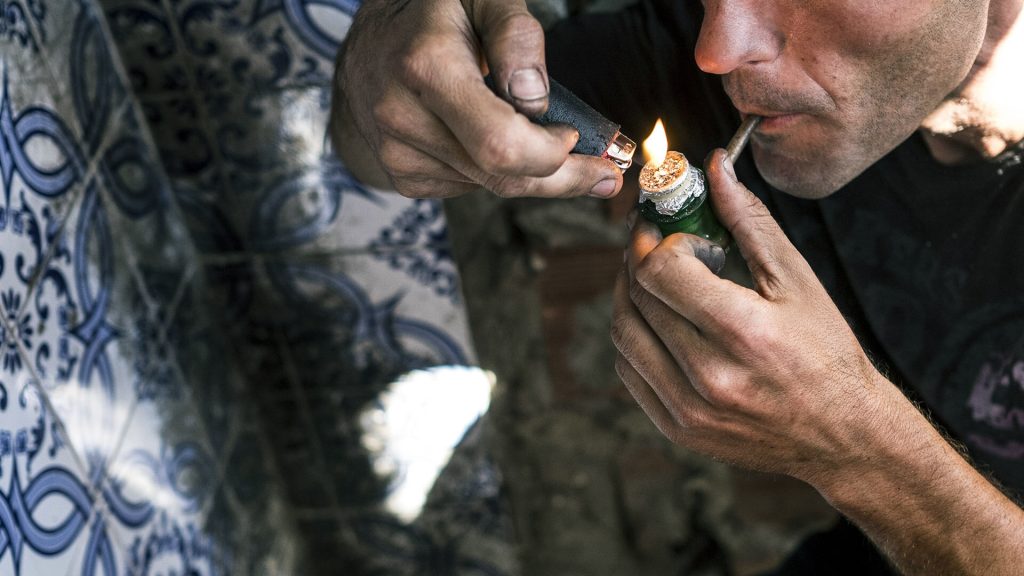
In the 1990s, Portugal faced a devastating heroin epidemic. Addiction rates soared, HIV infections surged, and drug-related deaths became tragically common. The streets of Lisbon were plagued by crime and despair, as individuals resorted to theft and other illicit activities to fund their addictions. It was a crisis that demanded radical action, and Portugal delivered just that.
Under the guidance of Dr. João Goulão and a team of experts, Portugal adopted a groundbreaking approach in 2001: the decriminalization of drug possession. The philosophy was simple yet revolutionary—treat drug users as patients, not criminals. Those caught with small amounts of drugs, defined as up to ten days’ worth of personal use, were no longer prosecuted. Instead, they were referred to counseling and treatment programs. This shift marked a profound departure from punitive measures, focusing instead on rehabilitation and harm reduction.
Central to this policy are innovative programs like mobile methadone buses in Lisbon, which serve around 1,000 severely addicted individuals daily. These buses provide methadone, a substitute that alleviates withdrawal symptoms, enabling users to lead more stable lives. For individuals like Theodor, a recovering addict who lost his family and livelihood, these services are a lifeline. ‘Without this program, I’d have no choice but to steal,’ he admits. The buses, funded by state resources and donations, not only reduce crime but also restore dignity to those who have lost so much.
At the heart of Lisbon, addiction centers provide sterile needles, medical supervision, and even spaces for drug consumption. While controversial, these measures aim to prevent overdoses and the spread of diseases like HIV. Marco Carvalho, a nurse at one such center, reflects on the moral complexity of his work: ‘It felt wrong at first to help someone inject heroin, but the alternative is far worse—injuries, infections, or death in the streets.’
Critics argue that Portugal’s policy hasn’t eradicated drug availability, but its success is undeniable. Drug-related deaths have plummeted, HIV rates have dropped, and the stigma surrounding addiction has lessened. Moreover, the policy extends compassion to entire communities, with social workers cleaning public spaces and engaging with neighbors to maintain harmony.
Portugal’s approach, now 25 years old, is a testament to the power of empathy and evidence-based policymaking. It challenges the world to rethink its stance on addiction—not as a crime, but as a public health issue requiring care, not condemnation.
Under the guidance of Dr. João Goulão and a team of experts, Portugal adopted a groundbreaking approach in 2001: the decriminalization of drug possession. The philosophy was simple yet revolutionary—treat drug users as patients, not criminals. Those caught with small amounts of drugs, defined as up to ten days’ worth of personal use, were no longer prosecuted. Instead, they were referred to counseling and treatment programs. This shift marked a profound departure from punitive measures, focusing instead on rehabilitation and harm reduction.
Central to this policy are innovative programs like mobile methadone buses in Lisbon, which serve around 1,000 severely addicted individuals daily. These buses provide methadone, a substitute that alleviates withdrawal symptoms, enabling users to lead more stable lives. For individuals like Theodor, a recovering addict who lost his family and livelihood, these services are a lifeline. ‘Without this program, I’d have no choice but to steal,’ he admits. The buses, funded by state resources and donations, not only reduce crime but also restore dignity to those who have lost so much.
At the heart of Lisbon, addiction centers provide sterile needles, medical supervision, and even spaces for drug consumption. While controversial, these measures aim to prevent overdoses and the spread of diseases like HIV. Marco Carvalho, a nurse at one such center, reflects on the moral complexity of his work: ‘It felt wrong at first to help someone inject heroin, but the alternative is far worse—injuries, infections, or death in the streets.’
Critics argue that Portugal’s policy hasn’t eradicated drug availability, but its success is undeniable. Drug-related deaths have plummeted, HIV rates have dropped, and the stigma surrounding addiction has lessened. Moreover, the policy extends compassion to entire communities, with social workers cleaning public spaces and engaging with neighbors to maintain harmony.
Portugal’s approach, now 25 years old, is a testament to the power of empathy and evidence-based policymaking. It challenges the world to rethink its stance on addiction—not as a crime, but as a public health issue requiring care, not condemnation.
Drafted & Edited by Investigative Desk | AboMatrix