



Rise of Populism in Germany: Political and Social Implications on the Horizon

Rise of Populism in Germany: Political and Social Implications on the Horizon
Rise of Populism in Germany: Political and Social Implications on the Horizon
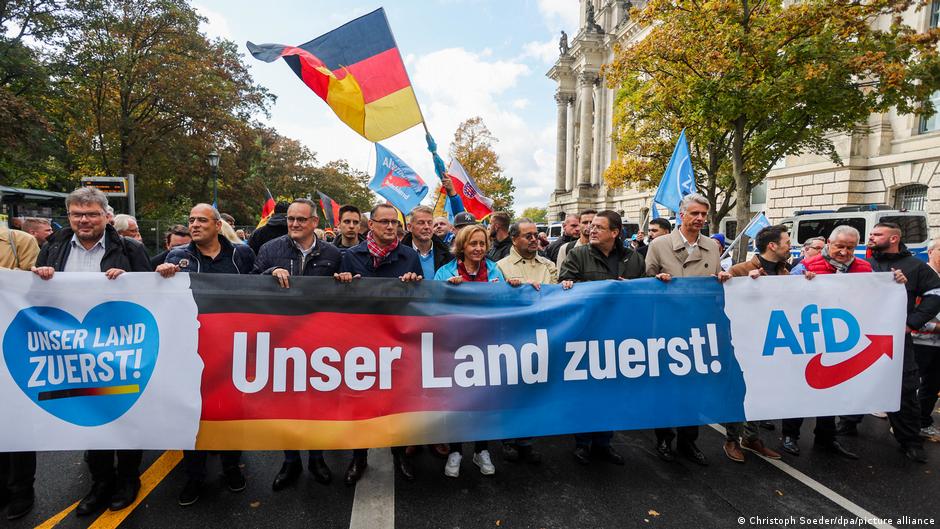
Germany faces significant political shifts following the success of the Alternative for Germany (AfD) party in the Saxony-Anhalt elections. This development underscores a growing divergence between traditional political frameworks and populist movements focused on migration and national identity. The event presents crucial considerations for Germany’s role in Europe and its internal stability.
Geopolitical & Strategic Context
Historical Political Framework in Germany
For decades, traditional parties like the CDU and SPD provided stability and leadership, anchoring German politics and setting the pace for Europe. The refugee crisis of 2015, however, marked a turning point—national identity and migration took center stage, reshaping the political narrative.
The populist wave challenges traditional norms, thrusting economic insecurity and cultural identity into the spotlight.
The AfD’s triumph in Saxony-Anhalt reveals underlying societal tensions and mirrors broader European trends, where populist forces redefine political landscapes.
Strategic Implications
- ♦ Potential fragmentation of traditional political coalitions.
- ♦ Increased pressure on the EU to defend against populist ideologies.
- ♦ Shift in national policy priorities, emphasizing border and migration controls.
- ♦ Potential erosion of Germany’s reputation as a stable leader in Europe.
Future Trajectories
Anticipated Policy and Strategic Adjustments
The traditional political parties will likely recalibrate their strategies, incorporating more direct responses to voter concerns about migration and economic strain. Policy shifts might include intensified focus on refugee integration and border controls. At the European level, regional bodies could ramp up efforts to combat populist discourse through education and economic support for vulnerable areas.
Collaboration between smaller parties and the AfD, while controversial, may emerge as a realistic adaptation to changing political dynamics—a move likely fraught with ethical and practical challenges.

Prepared & Analyzed by: Strategic Studies Desk | AboMatrix