



EU’s Russia Sanctions: A New Veto Dilemma

Daily Monitor
September 18, 2026
EU’s Russia Sanctions: A New Veto Dilemma
The EU’s unanimity rule faces fresh scrutiny as Bulgaria blocks sanctions, echoing Hungary’s past obstruction.
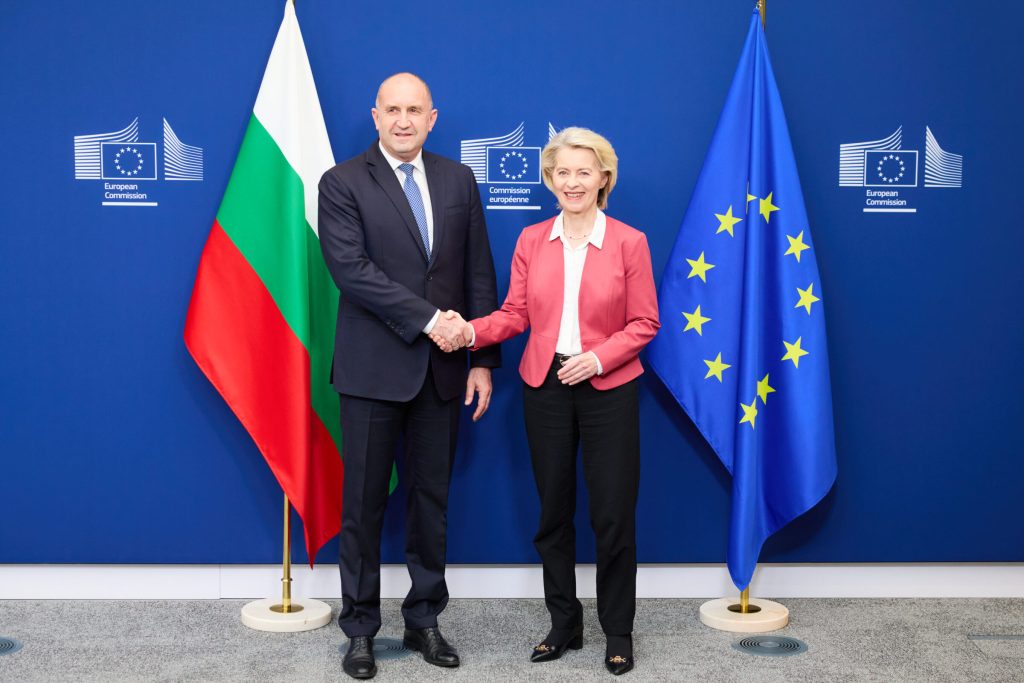
For years, Hungary’s government under Viktor Orbán was the face of EU policy obstruction on Russia. From delaying sanctions to opposing support for Ukraine, Budapest’s resistance was a thorn in Brussels’ side. However, with Hungary’s recent policy shift, the veto problem has not disappeared—it has merely relocated. At the June summit in Brussels, Bulgarian Prime Minister Rumen Radev announced Sofia’s intention to veto the EU’s proposed 21st sanctions package against Russia, reigniting the debate over the bloc’s unanimity rule.
Radev’s objections are multifaceted, ranging from geopolitical concerns to economic dependencies. Bulgaria’s reliance on Lukoil, which operates its sole refinery, and fears of disruptions to fertiliser supplies and metro spare parts are central to its stance. Additionally, the proposed inclusion of Russian Orthodox Patriarch Kirill in the EU’s asset-freeze and travel-ban list has sparked controversy. While these concerns warrant scrutiny, the larger issue lies in the EU’s structural vulnerability: the unanimity rule allows one member state to hold the entire bloc hostage over national objections.
This structural flaw stems from the EU’s decision-making process. Sanctions begin with a unanimous foreign policy decision under Article 29 TEU, followed by economic measures adopted by qualified majority under Article 215 TFEU. Without unanimity at the first stage, the second cannot proceed. While intended to safeguard sovereignty, this mechanism has often been weaponized, turning narrow national objections into continental vetoes. Consensus, which should involve persuasion and compromise, is undermined when one state wields disproportionate leverage.
Bulgaria’s objections, particularly those tied to critical infrastructure and economic impacts, deserve careful evaluation. Legal scrutiny and proportionality are essential for measures like listing individuals, ensuring compliance with EU court standards. However, holding unrelated sanctions hostage to a single objection undermines the bloc’s ability to respond effectively to Russian aggression. The EU must find ways to disentangle personal listings from broader sectoral sanctions to prevent omnibus packages from becoming bargaining chips.
A potential solution lies in the Treaties themselves. Article 31(1) TEU permits constructive abstention, allowing a member state to opt out of a decision without blocking its adoption. While not a panacea, this mechanism has been successfully employed for Ukraine-related measures since Russia’s invasion. By encouraging its use, the EU could mitigate veto risks and preserve unity in its foreign policy. Ultimately, the bloc must address the structural vulnerabilities in its decision-making process to ensure that one objection does not derail its collective response to global challenges.
Radev’s objections are multifaceted, ranging from geopolitical concerns to economic dependencies. Bulgaria’s reliance on Lukoil, which operates its sole refinery, and fears of disruptions to fertiliser supplies and metro spare parts are central to its stance. Additionally, the proposed inclusion of Russian Orthodox Patriarch Kirill in the EU’s asset-freeze and travel-ban list has sparked controversy. While these concerns warrant scrutiny, the larger issue lies in the EU’s structural vulnerability: the unanimity rule allows one member state to hold the entire bloc hostage over national objections.
This structural flaw stems from the EU’s decision-making process. Sanctions begin with a unanimous foreign policy decision under Article 29 TEU, followed by economic measures adopted by qualified majority under Article 215 TFEU. Without unanimity at the first stage, the second cannot proceed. While intended to safeguard sovereignty, this mechanism has often been weaponized, turning narrow national objections into continental vetoes. Consensus, which should involve persuasion and compromise, is undermined when one state wields disproportionate leverage.
Bulgaria’s objections, particularly those tied to critical infrastructure and economic impacts, deserve careful evaluation. Legal scrutiny and proportionality are essential for measures like listing individuals, ensuring compliance with EU court standards. However, holding unrelated sanctions hostage to a single objection undermines the bloc’s ability to respond effectively to Russian aggression. The EU must find ways to disentangle personal listings from broader sectoral sanctions to prevent omnibus packages from becoming bargaining chips.
A potential solution lies in the Treaties themselves. Article 31(1) TEU permits constructive abstention, allowing a member state to opt out of a decision without blocking its adoption. While not a panacea, this mechanism has been successfully employed for Ukraine-related measures since Russia’s invasion. By encouraging its use, the EU could mitigate veto risks and preserve unity in its foreign policy. Ultimately, the bloc must address the structural vulnerabilities in its decision-making process to ensure that one objection does not derail its collective response to global challenges.
Drafted & Edited by Investigative Desk | AboMatrix