



Strait of Hormuz: The Hidden Cost of Trade

Daily Monitor
September 18, 2026
Strait of Hormuz: The Hidden Cost of Trade
The plight of stranded seafarers in the Strait of Hormuz reveals the human toll of global commerce.
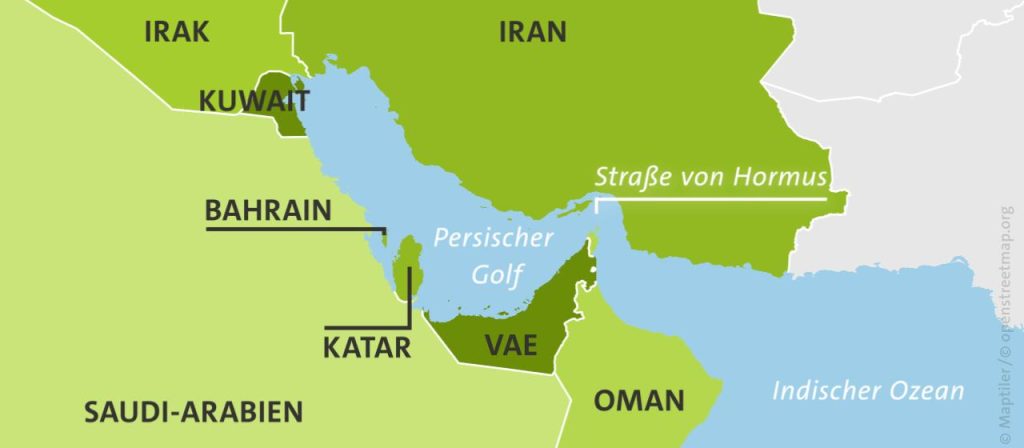
The Strait of Hormuz, a vital artery of global trade, has long been a geopolitical flashpoint. Yet, amidst the headlines of military tensions and economic ramifications, the human stories of thousands of stranded seafarers have largely gone unnoticed. These men and women, the unsung custodians of global commerce, endured months of hardship in the Persian Gulf, caught in the crossfire of international conflict.
Since late February, an estimated 20,000 seafarers found themselves marooned in the Gulf, their vessels immobilized by the closure of the strait. With dwindling supplies of food and water, they faced an uncertain future, unable to return to their families. The skies above them were often streaked with missiles and drones, some intercepted by defense systems, others striking tankers and port facilities nearby. Tragically, lives were lost, and many survivors are likely to carry the scars of trauma for years to come.
These seafarers, hailing predominantly from developing nations in Asia and Africa, are the backbone of global trade, transporting essential goods such as oil, gas, and fertilizers. Yet their plight has been met with deafening silence from much of the world. Western media, critics argue, often overlook tragedies involving workers from countries like India, the Philippines, or Somalia, relegating their suffering to mere footnotes in the broader narrative.
The systemic exploitation within the maritime industry predates the recent crisis. Advocacy groups have long decried the mistreatment of seafarers, citing unpaid wages, abandoned crews, and contracts that expire without renewal. For many stranded in the Gulf, their financial struggles were compounded by the refusal of shipping companies to cover repatriation costs. This grim reality has led some labor unions to label the situation as ‘modern slavery.’
Shipping companies, fearing reputational damage, have reportedly discouraged their employees from speaking to the press, further obscuring the dire conditions faced by these workers. This lack of transparency has stymied efforts to galvanize public and political support for their rescue. As trade resumes and the world moves on, the opportunity to address these injustices may be slipping away.
The plight of these seafarers serves as a stark reminder of the human cost of global commerce. Their sacrifices, often invisible to the consumer, underscore the urgent need for systemic reform in the maritime industry. Without meaningful change, the cycle of exploitation will persist, leaving countless workers to bear the brunt of a system that prioritizes profit over people.
Since late February, an estimated 20,000 seafarers found themselves marooned in the Gulf, their vessels immobilized by the closure of the strait. With dwindling supplies of food and water, they faced an uncertain future, unable to return to their families. The skies above them were often streaked with missiles and drones, some intercepted by defense systems, others striking tankers and port facilities nearby. Tragically, lives were lost, and many survivors are likely to carry the scars of trauma for years to come.
These seafarers, hailing predominantly from developing nations in Asia and Africa, are the backbone of global trade, transporting essential goods such as oil, gas, and fertilizers. Yet their plight has been met with deafening silence from much of the world. Western media, critics argue, often overlook tragedies involving workers from countries like India, the Philippines, or Somalia, relegating their suffering to mere footnotes in the broader narrative.
The systemic exploitation within the maritime industry predates the recent crisis. Advocacy groups have long decried the mistreatment of seafarers, citing unpaid wages, abandoned crews, and contracts that expire without renewal. For many stranded in the Gulf, their financial struggles were compounded by the refusal of shipping companies to cover repatriation costs. This grim reality has led some labor unions to label the situation as ‘modern slavery.’
Shipping companies, fearing reputational damage, have reportedly discouraged their employees from speaking to the press, further obscuring the dire conditions faced by these workers. This lack of transparency has stymied efforts to galvanize public and political support for their rescue. As trade resumes and the world moves on, the opportunity to address these injustices may be slipping away.
The plight of these seafarers serves as a stark reminder of the human cost of global commerce. Their sacrifices, often invisible to the consumer, underscore the urgent need for systemic reform in the maritime industry. Without meaningful change, the cycle of exploitation will persist, leaving countless workers to bear the brunt of a system that prioritizes profit over people.
Drafted & Edited by Investigative Desk | AboMatrix