



Iceland’s EU Referendum: A Mirror of European Skepticism

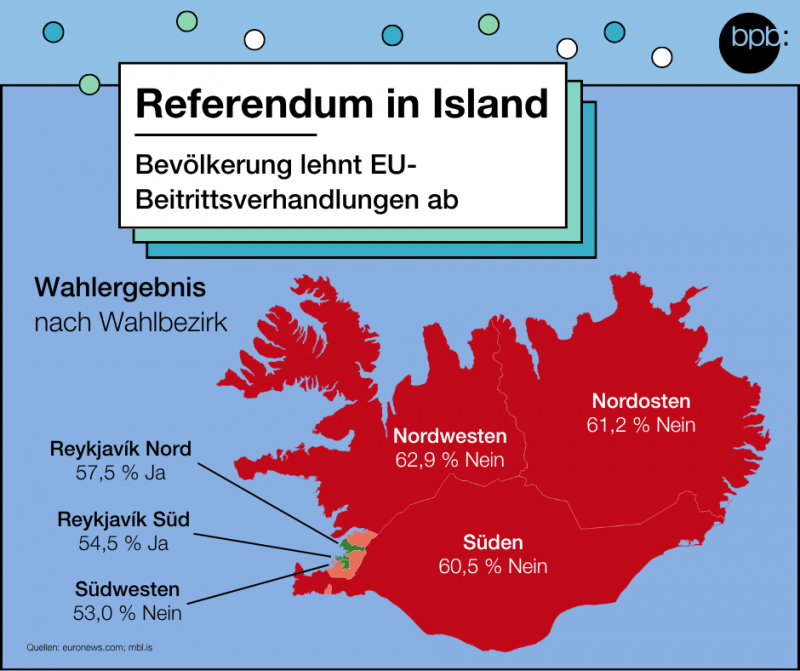
Iceland’s EU Referendum: A Mirror of European Skepticism
⏱ 4 min read
Executive Summary
Iceland’s decision to reject the resumption of EU accession talks underscores the growing skepticism toward the European Union, even in peripheral nations. This reflects broader continental trends, where euroskepticism is gaining traction amidst debates on sovereignty, migration, and economic integration.
Strategic Context
The European Union, founded on the ideals of economic cooperation and political stability, has long been a beacon for nations seeking integration. However, the bloc’s allure has waned in recent years, with internal divisions over migration, fiscal policies, and sovereignty fueling discontent. Iceland, a member of the European Economic Area (EEA), has historically maintained a cautious distance from full EU membership, prioritizing its autonomy in fisheries and agriculture—key pillars of its economy.
In 2009, amidst the global financial crisis, Iceland initiated EU accession talks, driven by the promise of economic stability. Yet, as the crisis subsided, so did the urgency for integration. The recent referendum, which rejected the resumption of these talks, reflects a broader European trend: a growing skepticism toward the EU’s capacity to address contemporary challenges, from migration management to geopolitical tensions.
In-Depth Analysis
The Icelandic Referendum: A Case of Pragmatic Sovereignty
Iceland’s decision to halt EU accession discussions is emblematic of its pragmatic approach to sovereignty. As a nation heavily reliant on fisheries, the EU’s Common Fisheries Policy poses a significant threat to its economic independence. Similarly, concerns over agricultural subsidies and regulatory alignment have made full membership a contentious issue. This referendum underscores Iceland’s prioritization of national interests over deeper integration.
Euroskepticism: A Continental Phenomenon
While Iceland’s decision is rooted in its unique economic and geopolitical context, it aligns with a broader wave of euroskepticism sweeping across Europe. From the rise of nationalist parties in Germany to Hungary’s political shifts, the EU faces unprecedented challenges to its unity. The European Parliament, once a bastion of pro-integration sentiment, now hosts a growing contingent of euroskeptic voices, reflecting widespread disillusionment with the bloc’s policies.
The Role of Migration in EU Discontent
Migration remains a polarizing issue within the EU, exacerbating divisions between member states. While Iceland’s referendum did not directly address migration, the broader European discourse on asylum policies and border control undoubtedly influenced public sentiment. The EU’s perceived inability to manage migration effectively has fueled calls for sovereignty and border control, themes that resonate deeply with euroskeptic constituencies.
Impact on Migrants
Legal and Policy Implications
Iceland’s decision to remain outside the EU has significant implications for migrants and asylum seekers. As a non-EU member, Iceland retains control over its immigration policies, allowing it to set stricter criteria for entry and asylum. This autonomy enables Iceland to prioritize national interests but may limit opportunities for migrants seeking refuge or economic opportunities within its borders.
Human and Social Dimensions
For migrants, Iceland’s stance represents a continuation of its selective approach to immigration. While the country has welcomed refugees in the past, its limited resources and small population constrain its capacity for large-scale resettlement. The decision to forgo EU membership may also reduce Iceland’s participation in broader European initiatives aimed at addressing migration challenges, potentially isolating it from collective solutions.
Outlook & Conclusion
Iceland’s referendum result is a microcosm of the broader challenges facing the European Union. As euroskepticism gains momentum across the continent, the EU must confront its internal divisions and address the root causes of discontent, from migration to economic disparities. For Iceland, the decision to prioritize sovereignty over integration reflects a pragmatic approach to national interests, but it also underscores the need for innovative, collaborative solutions to shared challenges.

Prepared & Analyzed by: Migration Policy Unit | AboMatrix