



Iceland’s EU Referendum: A Mirror of Europe’s Shifting Dynamics

Iceland’s EU Referendum: A Mirror of Europe’s Shifting Dynamics
⏱ 4 min read
Executive Summary
Iceland’s decision to halt EU accession talks underscores a broader European trend of growing skepticism towards deeper integration. While the EU remains a cornerstone of stability and cooperation, its appeal is increasingly contested, reflecting internal divisions and external pressures. This development invites critical reflection on the EU’s capacity to adapt to evolving geopolitical and socio-economic challenges.
Strategic Context
The European Union (EU), established in the aftermath of World War II, was envisioned as a project of peace, economic integration, and shared sovereignty. Over the decades, it has expanded from six founding members to 27, becoming a global economic and political powerhouse. However, the EU’s appeal has not been universal, particularly among peripheral states like Iceland, which, despite being part of the European Economic Area (EEA), has long hesitated to join the bloc fully.
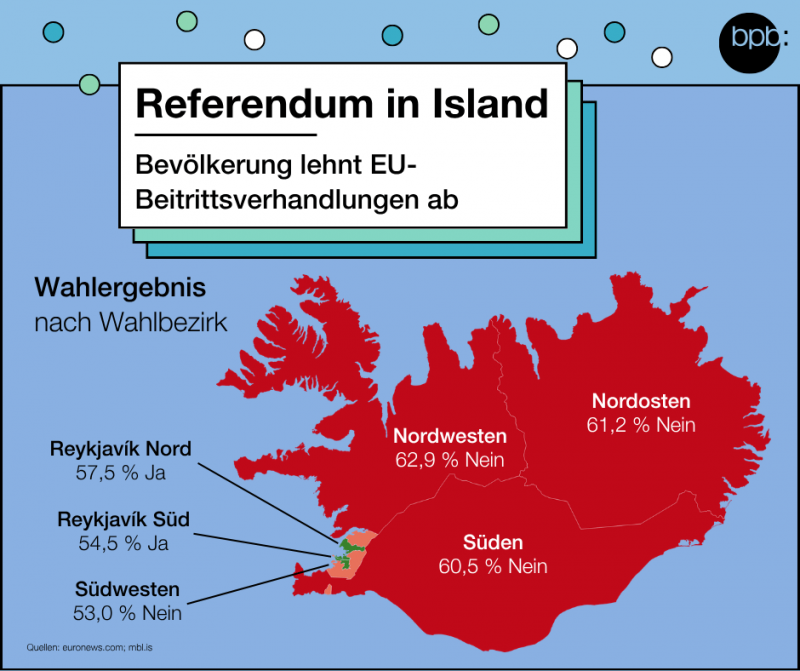
Iceland’s EU accession talks began in 2009, driven by the financial crisis that devastated its economy. EU membership was seen as a potential stabilizer. However, concerns over sovereignty, particularly regarding fisheries—a cornerstone of Iceland’s economy—and agricultural policies, have consistently fueled public skepticism. The recent referendum to decide whether to resume accession talks reflects these enduring tensions, as well as broader European trends of rising euroskepticism.
In-Depth Analysis
Policy Motivations in Iceland: Iceland’s reluctance to pursue EU membership is rooted in a complex calculus of economic and political priorities. The country’s dependence on fisheries and its desire to maintain control over this critical sector clash with the EU’s Common Fisheries Policy. Additionally, Iceland’s existing EEA membership already grants it access to the single market without requiring full political integration, making the costs of membership appear disproportionate to the benefits.
Broader European Trends: Iceland’s referendum outcome aligns with a broader pattern of growing euroskepticism across Europe. While some member states, like Bulgaria, continue to deepen their integration by adopting the euro, others, such as Hungary, have seen political shifts that challenge EU norms. This divergence highlights the EU’s struggle to present a cohesive vision that resonates across its diverse membership and neighboring states.
Implications for EU Policy: The Icelandic decision serves as a reminder of the EU’s need to address its internal and external challenges. Issues such as migration management, climate policy, and fiscal demands have fueled discontent among both member states and potential candidates. The EU’s tendency to sidestep unfavorable referenda through institutional mechanisms has also eroded trust, underscoring the importance of democratic legitimacy in its policymaking processes.
Impact on Migrants
Legal and Policy Implications: Iceland’s decision to remain outside the EU has direct implications for migration policy. As a member of the EEA, Iceland participates in the free movement of people within the single market but retains control over its external borders. This autonomy allows Iceland to tailor its asylum and migration policies to its specific needs, avoiding the contentious debates over burden-sharing that have plagued the EU.
Human and Social Dimensions: For migrants and asylum seekers, Iceland’s stance means that access to the country remains governed by national policies rather than EU-wide frameworks. While this allows for potentially more humane and context-specific approaches, it also limits the predictability and uniformity that EU membership could provide. Migrants may face a more fragmented landscape of rights and opportunities as a result.
Outlook & Conclusion

Prepared & Analyzed by: Migration Policy Unit | AboMatrix