



Stability and Cooperation: Reducing Migration from North Africa

Stability and Cooperation: Reducing Migration from North Africa
⏱ 4 min read
Executive Summary
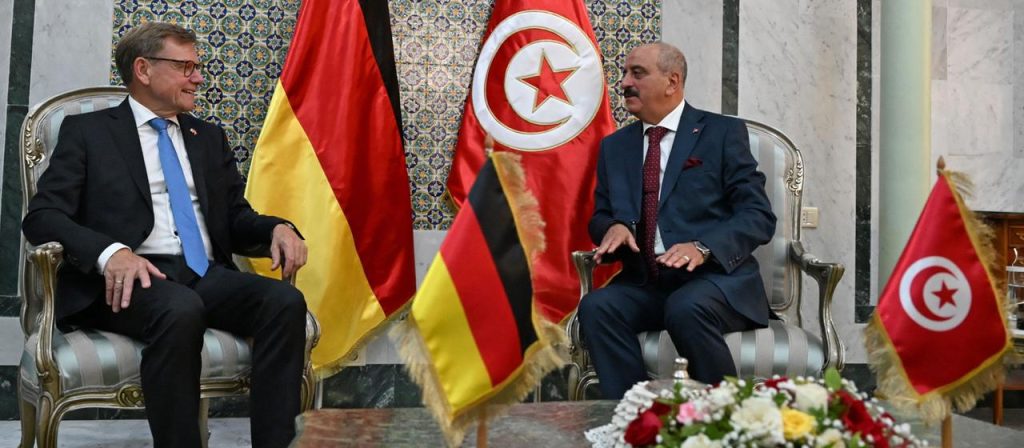
German Foreign Minister Johann Wadephul’s recent visits to Tunisia and Algeria signal a strategic pivot in European migration policy, emphasizing economic and security cooperation to address root causes of migration. While promising stability and partnerships, concerns over human rights violations and authoritarian governance persist, challenging the balance between pragmatism and ethical accountability.
Strategic Context
Geopolitical Context: North Africa’s Role in Migration Dynamics
North Africa has long been a critical juncture in migration flows towards Europe, serving as both a transit region and a point of origin for migrants seeking better opportunities. Tunisia and Algeria, situated at the southern Mediterranean rim, are key players in this dynamic due to their geographic proximity to Europe and their socio-economic challenges. The region’s instability, exacerbated by economic stagnation, climate stress, and political authoritarianism, has fueled migration pressures.
Historically, European nations have sought to mitigate irregular migration through bilateral agreements, economic aid, and security partnerships. Germany, as a leading EU member, has increasingly focused on addressing migration at its source, intertwining development assistance with migration control measures. The recent visits by Foreign Minister Wadephul underscore Germany’s commitment to fostering stability in North Africa as a means to reduce migratory flows.
In-Depth Analysis
Policy Motivations: Economic and Security Interdependence
Germany’s approach, as articulated by Wadephul, highlights the intrinsic link between economic stability and migration reduction. Tunisia’s reliance on Germany as its third-largest export market, coupled with the significant presence of Tunisian professionals in Germany’s health and education sectors, underscores the mutual benefits of deeper economic ties. By investing in resilient supply chains and fostering educational exchanges, Germany aims to create local opportunities that deter migration.
Security cooperation is another cornerstone of Wadephul’s agenda. The Sahel region’s proliferation of terrorism and organized crime has direct implications for migration patterns. Germany’s call for enhanced security partnerships reflects a pragmatic strategy to address these root causes. However, Wadephul’s insistence on accountability from North African governments, particularly regarding human rights violations, reveals the tension between ethical imperatives and geopolitical pragmatism.
Algeria’s role as a major energy supplier adds another layer to Germany’s policy calculus. With Europe seeking diversification in energy sources amidst global uncertainties, Algeria’s potential in renewable energy, particularly hydrogen production, offers a promising avenue for cooperation. Yet, the authoritarian nature of its government complicates the narrative, raising questions about the long-term viability of such partnerships.
Impact on Migrants
Human Rights Concerns: The Cost of Migration Control
While the EU-Tunisia migration agreement has reportedly reduced irregular migration, it has drawn sharp criticism for alleged human rights violations. Investigative reports and NGO findings suggest that Tunisian authorities have employed violent measures to prevent migrant crossings, including abandoning individuals in desert regions without basic necessities. Such practices not only contravene international human rights norms but also exacerbate the vulnerabilities of migrants.
For migrants, the tightening of border controls and security measures often translates into heightened risks and fewer legal pathways for migration. The focus on combating smuggling networks, while necessary, must be balanced with safeguarding the rights and dignity of those seeking refuge. Wadephul’s emphasis on human rights compliance is a step in the right direction, but its implementation remains uncertain amidst the complexities of regional governance.
Outlook & Conclusion
Future Outlook: Balancing Pragmatism and Ethics
Germany’s engagement with Tunisia and Algeria represents a nuanced attempt to address migration through stability and cooperation. However, the success of these initiatives hinges on striking a delicate balance between pragmatic partnerships and ethical accountability. As Europe navigates its migration challenges, fostering trust, transparency, and mutual respect will be essential in shaping a sustainable and humane policy framework.

Prepared & Analyzed by: Migration Policy Unit | AboMatrix