



Escalating Gulf Tensions: USA-Iran Strikes Intensify

Daily Monitor
September 16, 2026
Escalating Gulf Tensions: USA-Iran Strikes Intensify
The fragile ceasefire between the United States and Iran has unraveled, sparking a dangerous cycle of retaliatory attacks in the Gulf region.
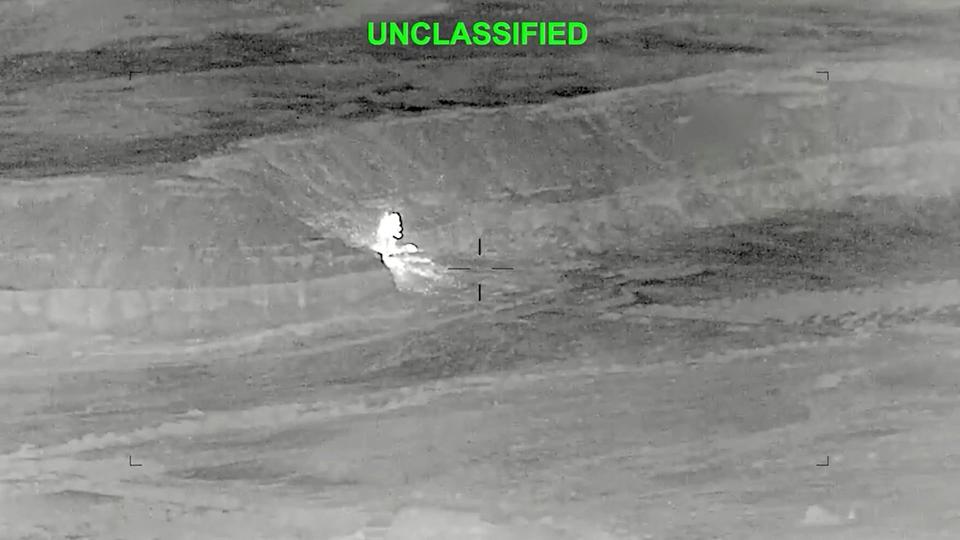
The Gulf region finds itself teetering on the edge of heightened conflict as tensions between the United States and Iran escalate dramatically. In the second consecutive night of hostilities, U.S. forces launched precision strikes targeting Iranian military infrastructure, including air defense systems, drone storage facilities, and surveillance networks. According to the U.S. Central Command (CENTCOM), these actions were in response to Iran’s alleged aggression against civilian shipping, specifically the drone attack on the tanker ‘Kiku.’
Iran, in turn, retaliated with missile and drone strikes on U.S. military bases located in Kuwait and Bahrain, regions critical to American operations in the Gulf. The Iranian Revolutionary Guard Corps declared that these counterattacks were a direct response to what they perceive as violations of the ceasefire and the framework agreement signed between Tehran and Washington in June. The Kuwaiti military confirmed intercepting hostile projectiles, while Bahrain’s naval base triggered air raid alarms, underscoring the gravity of the situation.
This latest flare-up comes against the backdrop of a fragile ceasefire that had been brokered to stabilize relations between the two nations. However, the recent exchange of fire has not only shattered this tenuous peace but also threatens to derail diplomatic efforts entirely. Iranian state media reported explosions in the southern regions of Sirik and Qeshm, signaling the intensity of U.S. airstrikes. Meanwhile, U.S. President Donald Trump expressed frustration on his social media platform, Truth Social, warning that continued Iranian aggression could lead to decisive military action, potentially spelling the end of the Islamic Republic of Iran.
The implications of this conflict extend far beyond the immediate region. The Gulf is a vital artery for global energy supplies, and disruptions here could have cascading effects on international markets. Moreover, the breakdown of the ceasefire risks plunging the region into prolonged instability, with both nations issuing stark warnings. The Iranian Revolutionary Guard Corps has stated that further violations will lead to the complete cessation of diplomatic processes, while the U.S. has signaled its readiness to escalate militarily if provoked. As the world watches, the Gulf remains a powder keg, with each strike bringing the region closer to a tipping point.
Iran, in turn, retaliated with missile and drone strikes on U.S. military bases located in Kuwait and Bahrain, regions critical to American operations in the Gulf. The Iranian Revolutionary Guard Corps declared that these counterattacks were a direct response to what they perceive as violations of the ceasefire and the framework agreement signed between Tehran and Washington in June. The Kuwaiti military confirmed intercepting hostile projectiles, while Bahrain’s naval base triggered air raid alarms, underscoring the gravity of the situation.
This latest flare-up comes against the backdrop of a fragile ceasefire that had been brokered to stabilize relations between the two nations. However, the recent exchange of fire has not only shattered this tenuous peace but also threatens to derail diplomatic efforts entirely. Iranian state media reported explosions in the southern regions of Sirik and Qeshm, signaling the intensity of U.S. airstrikes. Meanwhile, U.S. President Donald Trump expressed frustration on his social media platform, Truth Social, warning that continued Iranian aggression could lead to decisive military action, potentially spelling the end of the Islamic Republic of Iran.
The implications of this conflict extend far beyond the immediate region. The Gulf is a vital artery for global energy supplies, and disruptions here could have cascading effects on international markets. Moreover, the breakdown of the ceasefire risks plunging the region into prolonged instability, with both nations issuing stark warnings. The Iranian Revolutionary Guard Corps has stated that further violations will lead to the complete cessation of diplomatic processes, while the U.S. has signaled its readiness to escalate militarily if provoked. As the world watches, the Gulf remains a powder keg, with each strike bringing the region closer to a tipping point.
Drafted & Edited by Investigative Desk | AboMatrix