



Rising Political Strains in Germany: Fuel Price Controversy and Coalition Challenges

Rising Political Strains in Germany: Fuel Price Controversy and Coalition Challenges
Rising Political Strains in Germany: Fuel Price Controversy and Coalition Challenges
Germany faces escalating political tensions amid disagreements over fuel price caps and public spending policies. The SPD’s dissatisfaction with CDU stances indicates mounting pressure within the government, exposing vulnerabilities in coalition unity. This dynamic highlights the nation’s struggle to balance socio-economic demands and governance stability.
Geopolitical & Strategic Context
Overview:
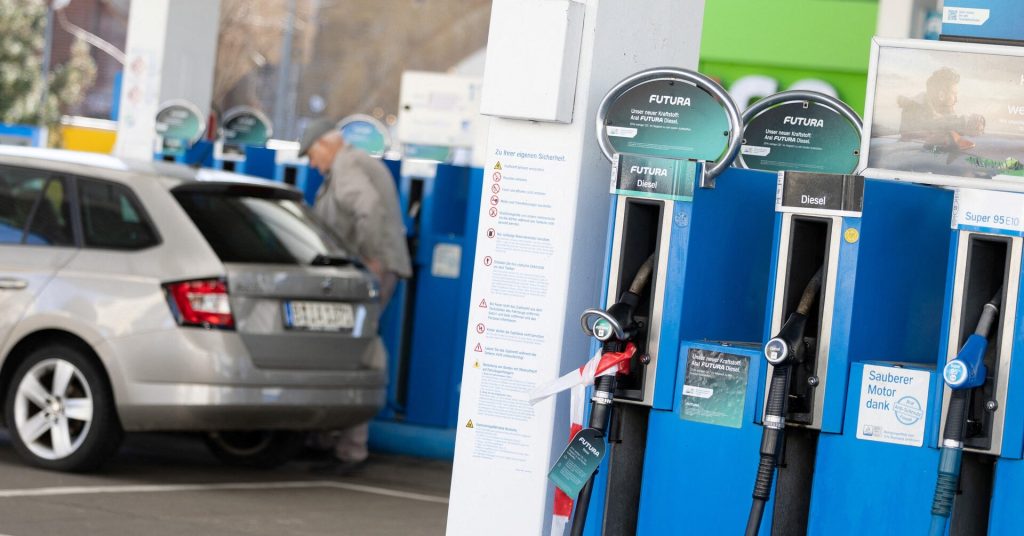
Germany’s political landscape is facing increasing scrutiny amid debates about surging fuel costs and fiscal conservatism. Discontent within the SPD over the CDU’s refusal to adopt fuel price caps signals deeper conflicts within the coalition government. These tensions arrive during a period of widespread economic distress, underscoring the need for action to avoid public discontent.
Geopolitical Perspective:
Fuel price volatility holds critical geopolitical energy dimensions as Germany continues to navigate its green transition amidst broader EU commitments. Internal discord could weaken Germany’s overall stance in multilateral energy and climate discussions.
Simultaneously, public dissatisfaction with fiscal transparency and debt management is rising. As narratives surrounding misaligned priorities mount, dialog over implementing equitable economic strategies intensifies, posing long-term governance questions.
Strategic Implications
- ♦ Tensions between SPD and CDU could shake domestic political frameworks significantly.
- ♦ Rising fuel prices risk sparking nationwide protests, amplifying socio-economic grievances.
- ♦ Fiscal challenges may catalyze reforms in Germany’s public spending and taxation policies.
Future Trajectories
What to Expect Going Forward:
The SPD may push harder for fuel-related reforms, including demands for price caps or targeted subsidies easing household burdens. This could escalate friction within the governing coalition.
On a broader scale, public dissatisfaction could catalyze mass protests or electoral backlash during upcoming contests. The government may need to recalibrate its energy policy and fiscal management to avert deeper credibility losses. Strategic reevaluation at both domestic and EU levels remains critical amid these dynamics.

Prepared & Analyzed by: Strategic Studies Desk | AboMatrix