



Mass Migrant Surge Sparks EU Border Crisis

Daily Monitor
September 15, 2026
Mass Migrant Surge Sparks EU Border Crisis
A wave of over 50,000 migrants crossing into Spain’s Ceuta enclave has ignited a European border security emergency.
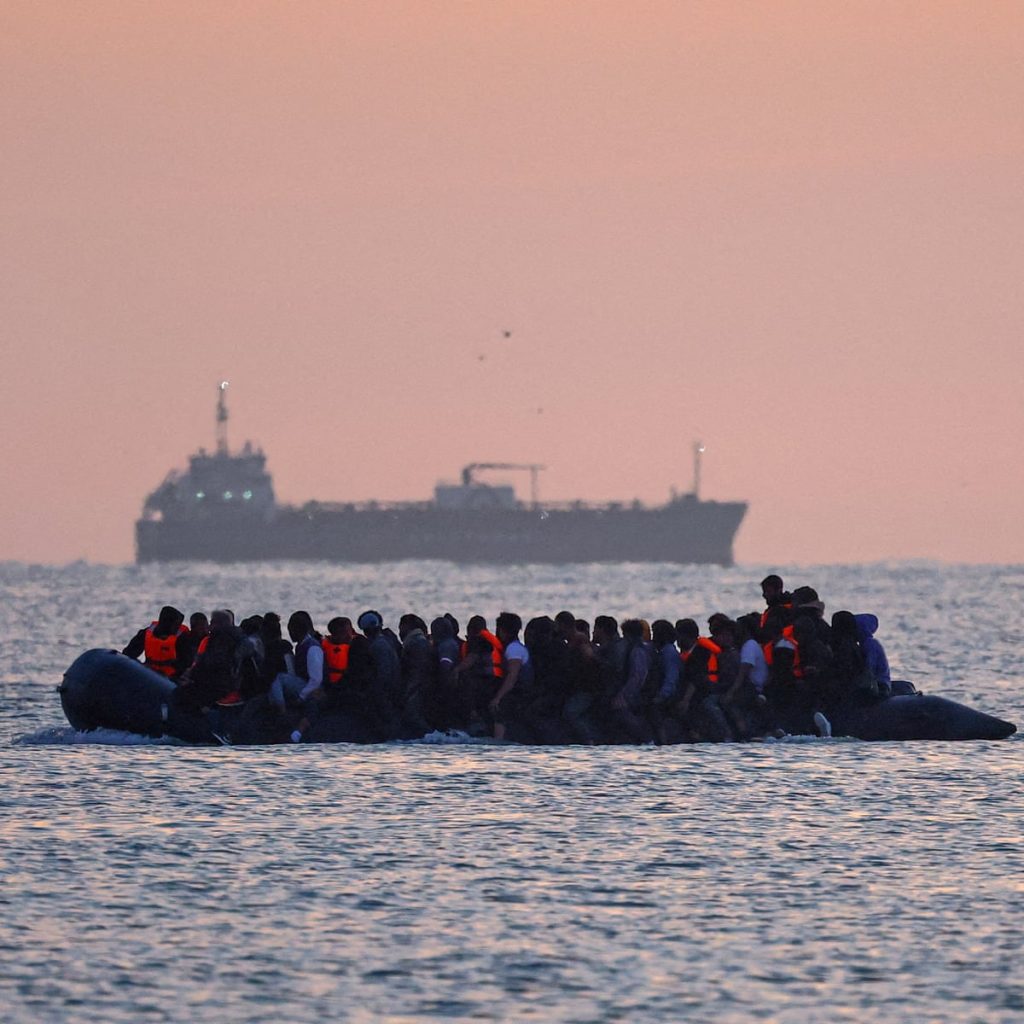
The Spanish autonomous city of Ceuta, perched on the northern coast of Africa, has become the epicenter of a dramatic migration crisis, as tens of thousands of individuals from Morocco breached border barriers or swam into the enclave over the course of several days. The unprecedented influx, estimated at over 50,000 arrivals, has overwhelmed local authorities and prompted swift military intervention by Madrid to restore order. Tragically, at least 57 lives have been lost during these perilous crossings, with fatalities attributed to drownings and a stampede near the breakwater fence.
Spanish Prime Minister Pedro Sánchez condemned the mass crossings as “an attack and a violation” of Spain’s territorial integrity, swiftly initiating the return of migrants to Morocco. By Friday evening, Spain’s Ministry of the Interior reported that 48,300 individuals had voluntarily returned, leaving fewer than 2,000 migrants still within Ceuta. Meanwhile, European Commission President Ursula von der Leyen described the images from Ceuta as “unacceptable,” calling for an immediate halt to dangerous crossings.
The crisis has reverberated across Europe, with neighboring countries tightening border controls and political leaders voicing concerns over the implications for the Schengen Area. French Interior Minister Laurent Nuñez announced the activation of the Rapid Intervention Border Force to bolster security measures, while Italian Prime Minister Giorgia Meloni suspended Italy’s Schengen agreement with Spain, advocating for Spain’s removal from the free-movement zone. Sweden’s Prime Minister Ulf Kristersson urged Spain to regain control of the situation, warning of potential repercussions for Swedish security.
Far-right voices, including French politician Marine Le Pen, have seized the moment to call for stricter migration policies, with Le Pen vowing to reserve Schengen’s free movement for EU nationals if elected in 2027. Despite mounting pressure, the European Commission has dismissed concerns about closing Spain’s Schengen borders, emphasizing that the Ceuta issue remains Spain’s responsibility and has not led to onward movements into mainland Europe.
Morocco, described by Brussels as a “key and trusted partner,” has been central to EU migration cooperation efforts. However, Moroccan nationals face slim chances of acquiring legal status in Ceuta, as Morocco is classified as a ‘safe country’ under EU asylum policies. The Spanish government, grappling with overwhelmed reception facilities and mounting chaos, continues to rely on military deployment and diplomatic collaboration to address the crisis.
Spanish Prime Minister Pedro Sánchez condemned the mass crossings as “an attack and a violation” of Spain’s territorial integrity, swiftly initiating the return of migrants to Morocco. By Friday evening, Spain’s Ministry of the Interior reported that 48,300 individuals had voluntarily returned, leaving fewer than 2,000 migrants still within Ceuta. Meanwhile, European Commission President Ursula von der Leyen described the images from Ceuta as “unacceptable,” calling for an immediate halt to dangerous crossings.
The crisis has reverberated across Europe, with neighboring countries tightening border controls and political leaders voicing concerns over the implications for the Schengen Area. French Interior Minister Laurent Nuñez announced the activation of the Rapid Intervention Border Force to bolster security measures, while Italian Prime Minister Giorgia Meloni suspended Italy’s Schengen agreement with Spain, advocating for Spain’s removal from the free-movement zone. Sweden’s Prime Minister Ulf Kristersson urged Spain to regain control of the situation, warning of potential repercussions for Swedish security.
Far-right voices, including French politician Marine Le Pen, have seized the moment to call for stricter migration policies, with Le Pen vowing to reserve Schengen’s free movement for EU nationals if elected in 2027. Despite mounting pressure, the European Commission has dismissed concerns about closing Spain’s Schengen borders, emphasizing that the Ceuta issue remains Spain’s responsibility and has not led to onward movements into mainland Europe.
Morocco, described by Brussels as a “key and trusted partner,” has been central to EU migration cooperation efforts. However, Moroccan nationals face slim chances of acquiring legal status in Ceuta, as Morocco is classified as a ‘safe country’ under EU asylum policies. The Spanish government, grappling with overwhelmed reception facilities and mounting chaos, continues to rely on military deployment and diplomatic collaboration to address the crisis.
Drafted & Edited by Investigative Desk | AboMatrix