



EU Backs AI Gigafactories for Tech Sovereignty

Daily Monitor
September 15, 2026
EU Backs AI Gigafactories for Tech Sovereignty
The European Union is investing billions to establish AI Gigafactories, aiming to secure its technological independence.
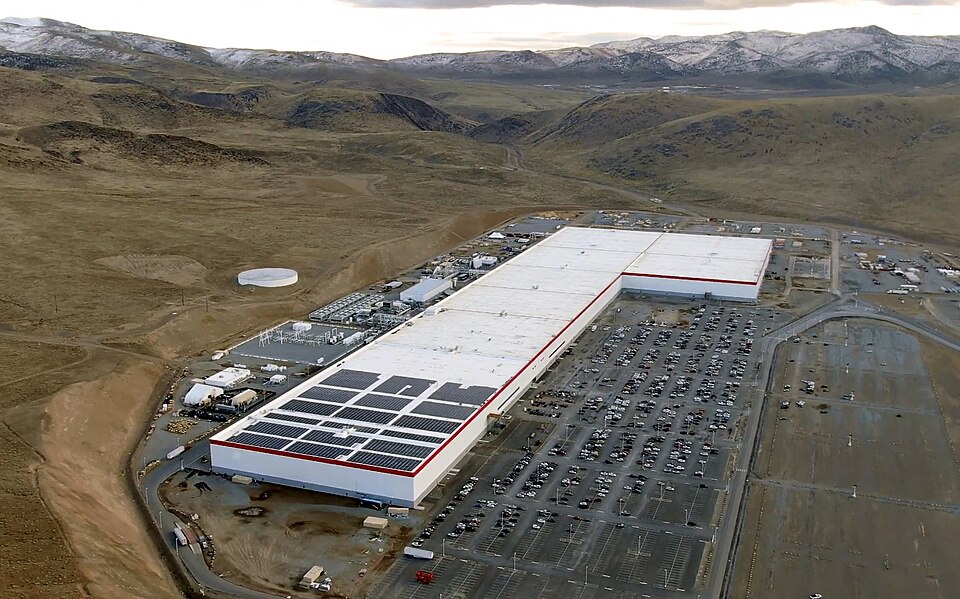
In a bold move to cement its position as a global leader in artificial intelligence, the European Union has announced plans to co-fund up to seven AI Gigafactories. These facilities, inspired by Tesla’s concept of massive production hubs, will focus on developing cutting-edge AI processors, software ecosystems, energy-efficient data centers, and high-speed connectivity solutions. The initiative is part of the EU’s broader strategy to achieve technological sovereignty and reduce reliance on foreign tech giants.
The EU has pledged €10 billion in funding for the project, with €4 billion expected from the next multi-annual budget—still under negotiation—and €20 billion to be matched by private EU-based tenders. According to a senior EU official, this public-private partnership could become one of the largest in the Union’s history. The facilities will adhere strictly to European regulations, including the AI Act, ensuring the protection of freedoms, user rights, and ethical standards in AI development.
Commissioner Henna Virkkunen emphasized the strategic importance of this initiative, stating that advanced AI infrastructure is pivotal to Europe’s technological autonomy. The Gigafactories will complement the existing network of 19 AI Factories, further strengthening the continent’s capacity to innovate in sectors such as healthcare, defense, energy, transport, and robotics. Construction is slated to begin in 2027, following the project’s launch at the AI Action Summit in Paris earlier this year.
However, the ambitious plan has not escaped criticism. Experts warn that the tender process may be overly rushed, leaving room for inconsistencies in execution. Maria Nowicka, a policy researcher at Interface, expressed concerns about vague requirements in areas like energy efficiency and supply-chain resilience. She cautioned that individual Gigafactories might prioritize their own agendas over a unified EU strategy, potentially undermining the initiative’s goals.
Despite these challenges, the AI Continent Action Plan represents a significant step toward reducing Europe’s dependence on foreign companies for critical technologies such as chips and cloud services. By fostering innovation and collaboration within its borders, the EU aims to position itself as a global powerhouse in artificial intelligence, setting the stage for transformative advancements across multiple industries.
The EU has pledged €10 billion in funding for the project, with €4 billion expected from the next multi-annual budget—still under negotiation—and €20 billion to be matched by private EU-based tenders. According to a senior EU official, this public-private partnership could become one of the largest in the Union’s history. The facilities will adhere strictly to European regulations, including the AI Act, ensuring the protection of freedoms, user rights, and ethical standards in AI development.
Commissioner Henna Virkkunen emphasized the strategic importance of this initiative, stating that advanced AI infrastructure is pivotal to Europe’s technological autonomy. The Gigafactories will complement the existing network of 19 AI Factories, further strengthening the continent’s capacity to innovate in sectors such as healthcare, defense, energy, transport, and robotics. Construction is slated to begin in 2027, following the project’s launch at the AI Action Summit in Paris earlier this year.
However, the ambitious plan has not escaped criticism. Experts warn that the tender process may be overly rushed, leaving room for inconsistencies in execution. Maria Nowicka, a policy researcher at Interface, expressed concerns about vague requirements in areas like energy efficiency and supply-chain resilience. She cautioned that individual Gigafactories might prioritize their own agendas over a unified EU strategy, potentially undermining the initiative’s goals.
Despite these challenges, the AI Continent Action Plan represents a significant step toward reducing Europe’s dependence on foreign companies for critical technologies such as chips and cloud services. By fostering innovation and collaboration within its borders, the EU aims to position itself as a global powerhouse in artificial intelligence, setting the stage for transformative advancements across multiple industries.
Drafted & Edited by Investigative Desk | AboMatrix