



Germany Tackles Toxic WWII Sea Munitions

Germany Tackles Toxic WWII Sea Munitions
A new center in Rostock aims to address the environmental threat posed by 1.6 million tons of WWII munitions in the North and Baltic Seas.
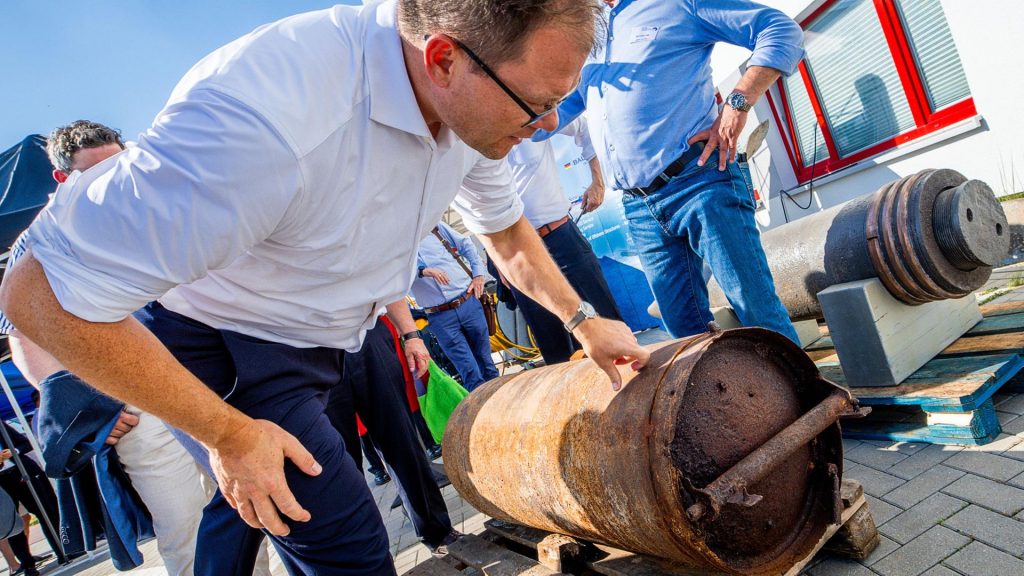
A groundbreaking initiative in Rostock, Germany, is set to combat a long-standing environmental hazard: the 1.6 million tons of World War II munitions lying on the seabed of the North and Baltic Seas. The newly established Federal Competence Center for Sea Munitions Recovery, announced by the Federal Ministry for the Environment, has begun operations to address this critical issue. Minister Carsten Schneider is visiting the center today to highlight its importance in tackling this environmental and public health crisis.
The munitions, some still armed with detonators, were either lost during wartime or deliberately dumped by Allied forces after the war. Over time, these corroding weapons have released toxic substances, including TNT, into the surrounding waters. These chemicals have been detected in marine life such as fish and mussels, raising concerns about their entry into the human food chain. Studies have shown alarming effects, such as a 25% increase in liver tumors among flatfish in contaminated areas compared to unaffected regions.
To accelerate the recovery process, the center plans to establish a floating industrial platform by mid-2028. This platform will enable the immediate disposal of recovered munitions, reducing the risk of further contamination. The initiative also aims to prioritize areas near the Schleswig-Holstein coastline, where the majority of the 300,000 tons of munitions in the Baltic Sea are concentrated. Some of these sites are located just a few kilometers from popular beaches, posing a potential threat to public safety.
The environmental impact of these munitions cannot be overstated. Corrosion is releasing carcinogenic and mutagenic substances into the marine ecosystem, endangering biodiversity and human health. The Federal Competence Center will work in collaboration with scientists, environmentalists, and industry experts to develop innovative technologies for safe and efficient recovery. This effort is not only a step toward environmental restoration but also a move to safeguard future generations from the long-term effects of these toxic remnants of war.
The establishment of this center marks a significant milestone in Germany’s commitment to addressing the legacy of wartime pollution. By combining advanced technology with a focused strategy, the initiative aims to mitigate the environmental and health risks posed by these underwater munitions. The world will be watching as Germany takes on this monumental challenge to protect its seas and its people.
Edited and Prepared by AboMatrix