



Massive Protests Over Mercedes-Benz Workweek Plans

Massive Protests Over Mercedes-Benz Workweek Plans
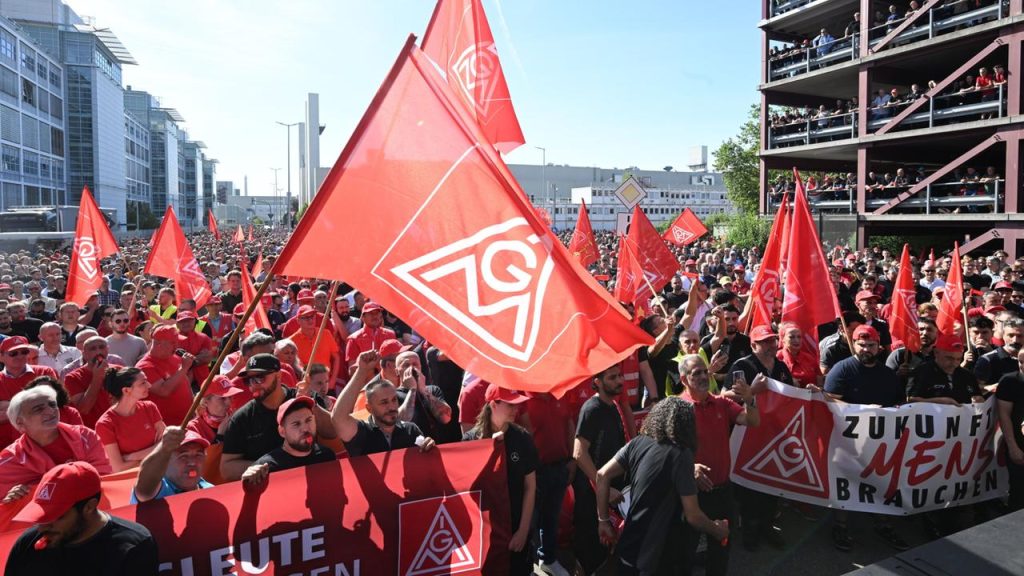
Thousands of Mercedes-Benz workers rally against plans to extend work hours and cut benefits.
Mercedes-Benz employees across multiple factories staged large-scale protests against proposed cost-cutting measures by the company’s leadership. The demonstrations, organized by the IG Metall union, primarily targeted plans to increase the standard workweek from 35 to 40 hours without additional pay. According to IG Metall, over 33,000 workers participated in the protests, while Mercedes-Benz reported a lower figure of approximately 16,000.
The proposed changes have sparked widespread outrage among employees, who argue that the measures unfairly burden the workforce while benefiting shareholders. Protesters also voiced concerns over reductions in contractual benefits, excessive dividend payouts, and broader austerity measures. IG Metall emphasized that the 35-hour workweek was hard-won through decades of labor negotiations, including intense disputes in the 1980s that involved strikes and lockouts.
Union representatives and works councils are demanding secure jobs, long-term prospects for factory locations, and the preservation of existing wage agreements and social protections. IG Metall has announced plans for similar protests at other automakers and suppliers, including Volkswagen, in the coming weeks. The union is urging workers across the industry to stand united against what they see as corporate cost-cutting at the expense of employees.
Mercedes-Benz defended its actions, stating that it values transparency and early communication with employees, even during challenging decision-making processes. A company spokesperson acknowledged the concerns raised by workers and assured that their feedback is being taken seriously. However, the automaker has cited declining profits as a key driver behind the proposed changes. In its first-quarter financial report, Mercedes-Benz revealed a 17% drop in profits compared to the previous year, with earnings falling to €1.43 billion. The company attributed the decline primarily to difficulties in the Chinese market.
The protests underscore growing tensions between labor unions and corporate management in Germany’s automotive sector, as companies face mounting pressure to adapt to economic challenges and shifting global markets. With further demonstrations planned, the conflict between Mercedes-Benz and its workforce is likely to intensify, raising questions about the future of labor relations in one of the country’s most critical industries.
Edited and Prepared by AboMatrix