



Krankschreibung Reform Sparks Coalition Dispute

Krankschreibung Reform Sparks Coalition Dispute
Proposed sick leave reforms face backlash from unions, medical experts, and coalition members, citing increased bureaucracy and health risks.
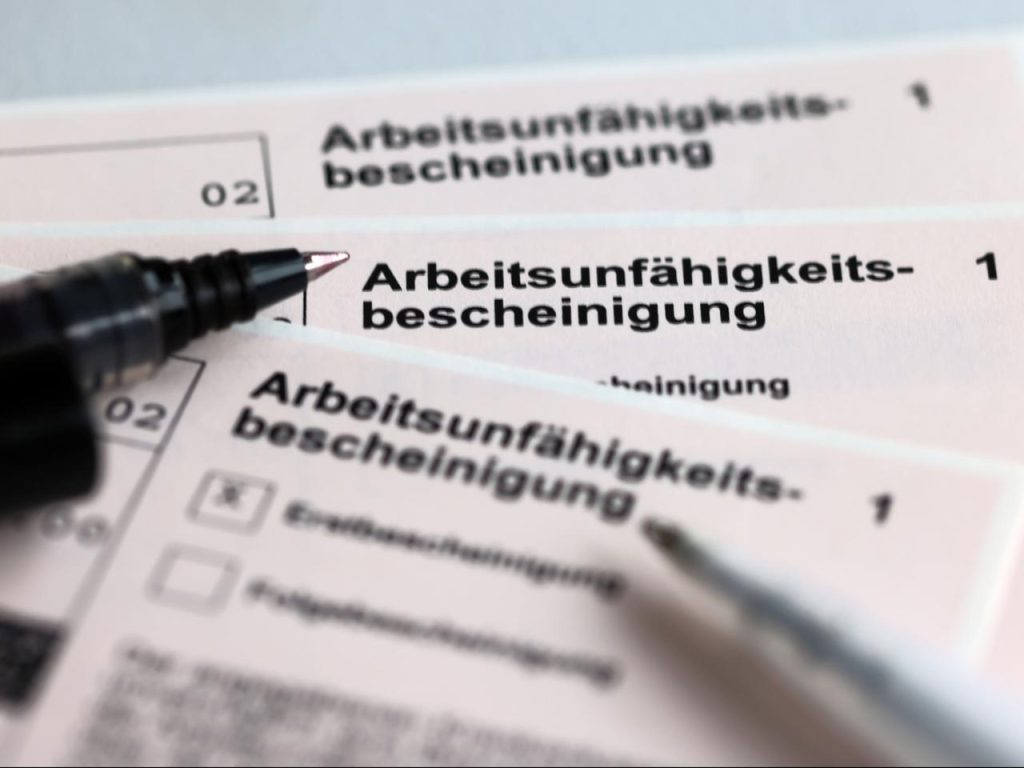
The proposed reforms to sick leave policies by Germany’s black-red coalition have ignited widespread criticism, not only from unions and medical professionals but also from within the coalition itself. Key figures from both the CDU and SPD have voiced concerns, questioning the necessity and potential consequences of the changes.
Dennis Radtke, head of the CDU’s Workers’ Group (CDA), urged a reconsideration of the plans, stating that the political controversy outweighs the perceived benefits. Speaking to Spiegel, Radtke warned that the coalition’s broader agenda risks being overshadowed by debates over mandatory sick notes from the first day of illness.
Bavarian Health Minister Judith Gerlach (CSU) echoed these concerns, criticizing the proposal to abolish telephone-based sick leave. She argued that this would only increase bureaucracy, as phone-based sick notes account for just 1% of all cases. Gerlach also opposed mandatory sick notes from day one, emphasizing the strain it could place on general practitioners already facing increased patient demand. “Adding more pressure to practices is the wrong approach,” she told Antenne Bayern.
Stefan Schwartze, the Federal Government’s Patient Representative from the SPD, also expressed skepticism. He highlighted the unnecessary burden of visiting a doctor for minor illnesses, which could increase the risk of infection in waiting rooms. Schwartze called for a focus on expanding digital and telemedicine solutions instead.
Data from Germany’s statutory health insurance providers (BKK) reveals a rise in reported sick days, from 18 days per insured employee in 2016 to 22 days in 2024. Experts attribute 40-60% of this increase to the mandatory electronic sick note system introduced in 2022, which ensures all sick notes are automatically sent to insurers. The remaining rise is linked to higher illness rates, including respiratory conditions and the ongoing impact of COVID-19.
Critics warn that the proposed reforms could lead to unintended consequences. A survey by the IGES Institute for DAK found that 63% of employees now always provide a doctor’s note when sick, up from 53% in 2015. However, concerns persist that stricter requirements may push workers to attend work while ill, potentially exacerbating health issues and increasing overall sick days.
Edited and Prepared by AboMatrix