



Shipwreck Discovery Increases Costs for Natural Gas Pipeline Project

Shipwreck Discovery Increases Costs for Natural Gas Pipeline Project
The discovery of historic shipwrecks during the planning of the Ormen Lange natural gas pipeline in the Norwegian Sea has significantly increased project costs, highlighting the intersection of energy development and archaeological preservation.
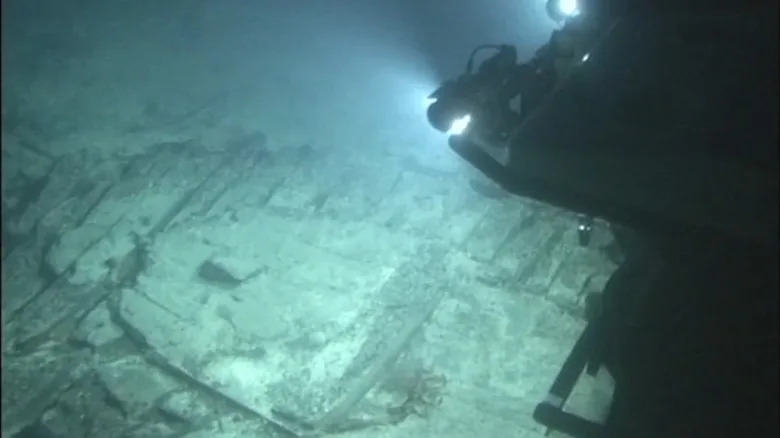
The installation of underwater gas and oil pipelines is a costly endeavor, with average expenses reaching $3.66 million per mile as of 2023. However, unforeseen challenges, such as the discovery of historic shipwrecks, can dramatically escalate these costs. In 2003, a consortium of oil companies encountered a nearly 200-foot-long wooden ship, believed to date back to 1745, while surveying the route for the Ormen Lange pipeline. This find, located more than 650 feet beneath the surface, marked a significant moment in marine archaeology, as it was the first historic ship discovered off Norway’s coast with its wooden structure still intact. Norwegian law mandates that contractors bear the costs of archaeological excavations when such discoveries occur. Consequently, Norsk Hydro, the company responsible for the pipeline’s development, incurred expenses amounting to 80 million krone (approximately $21.2 million in 2026 dollars) for the excavation process, which became Norway’s largest archaeological project at the time. The impact of pipeline construction on archaeological sites is not isolated to Norway. In 2010, the Nord Stream consortium uncovered 12 historic shipwrecks in the Baltic Sea, some estimated to be up to 800 years old. Similarly, in the Gulf of Mexico, the Okeanos Gas Gathering Company sponsored a $4.8 million recovery expedition for the Mardi Gras Shipwreck site, while Shell Oil reported the discovery of the Monterrey Wreck off Texas. In a more contemporary twist, the construction of the Greenlink interconnector faced backlash from fans of the Harry Potter franchise, who protested against disturbing the fictional burial site of Dobby the house elf. The project was rerouted to avoid the site, although this decision raised concerns about potential risks to nearby archaeological locations. These instances underscore the complex relationship between energy infrastructure development and the preservation of historical artifacts beneath the ocean. Prepared and Edited by AboMatrix
Source: jalopnik.com