



Germans’ Readiness for Sachsen-Anhalt Election and Impact of Political Crises at Home and Abroad

Germans’ Readiness for Sachsen-Anhalt Election and Impact of Political Crises at Home and Abroad
Germans’ Readiness for Sachsen-Anhalt Election and Impact of Political Crises at Home and Abroad
???? The Official Illusion:
Government officials believe that political and economic situations are under control, and the relative calm reflects stability prior to the elections.
???? The Parallel Truth:
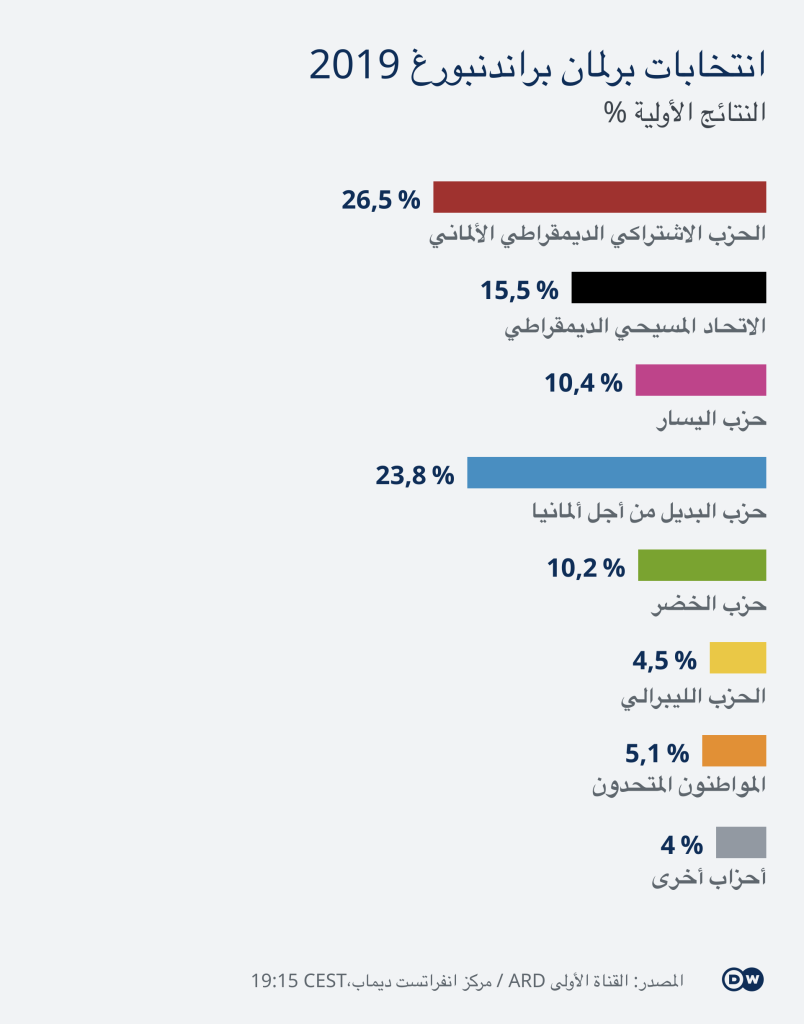
As local elections in Sachsen-Anhalt approach, attention is drawn to rapidly evolving scenarios within the German political landscape, where the potential rise of the Alternative for Germany (AfD) dominates public discourse. Political crises do not occur without reason; they often conceal adverse consequences of strategic decisions. Given the swift changes on the European stage, new threats emerge that jeopardize the stability longed for by citizens.
Historical experience shows that countries facing internal crises are more vulnerable to the influence of extremist movements. The concept of populism, for instance, encroached into the German political arena following the migratory crisis of 2015, when nationalist politicians seized this issue to bolster their appeal. Simultaneously, governments in nations such as France and Italy are endeavoring to promote a new perspective focused on less involvement in European affairs, which could lead to the empowerment of right-wing parties in other states. A close examination of history reveals that political and non-political conflicts create contexts that favor extremist ideologies.
This dynamic coincides with significant calls from political leaders to preserve the unity of the country. However, citizens respond to these messages with skepticism, highlighting a growing rift between the populace and the political elite. There is an urgent need to comprehend how the current situation impacts various social strata and to discern their different experiences vis-a-vis the political establishment. The increasing voter base that supports the ideas of the AfD serves as a clear alarm signal. Many observers agree that this situation is not coincidental, but rather a direct outcome of allowing nationalist rhetoric to overshadow traditional electoral options.
The ongoing crises in Germany, whether political or economic, can be seen as a continuation of the turbulent 1920s, when the country struggled to rebuild itself after World War I. This historical period also witnessed the rise of nationalist movements that resonate eerily with today’s political currents. A thorough examination of this historical context offers a gateway to understanding how past mistakes could be repeated unless social and economic foundational issues are effectively addressed.
⚖️ Shadow Map (Winners & Losers):
- ????/???? Winners: The Alternative for Germany (AfD), who are gaining support from disillusioned voters frustrated with traditional parties.
- ????/???? Losers: Traditional parties, which continue to lose ground due to their inability to manage current crises.
- ????/???? Most affected: The German government, facing pressures from all sides, making it increasingly vulnerable to criticism.
♟️ The Next Move:
This anticipates further legal and political reactions surrounding the upcoming elections, revealing how well the government can manage the organization of secure elections. We should closely observe how the interplay of social needs and diverse opinions can be managed; failure to address these adequately could lead to severe political ramifications for the administration.