



Germany faces political challenges as AfD gains traction in upcoming regional elections.

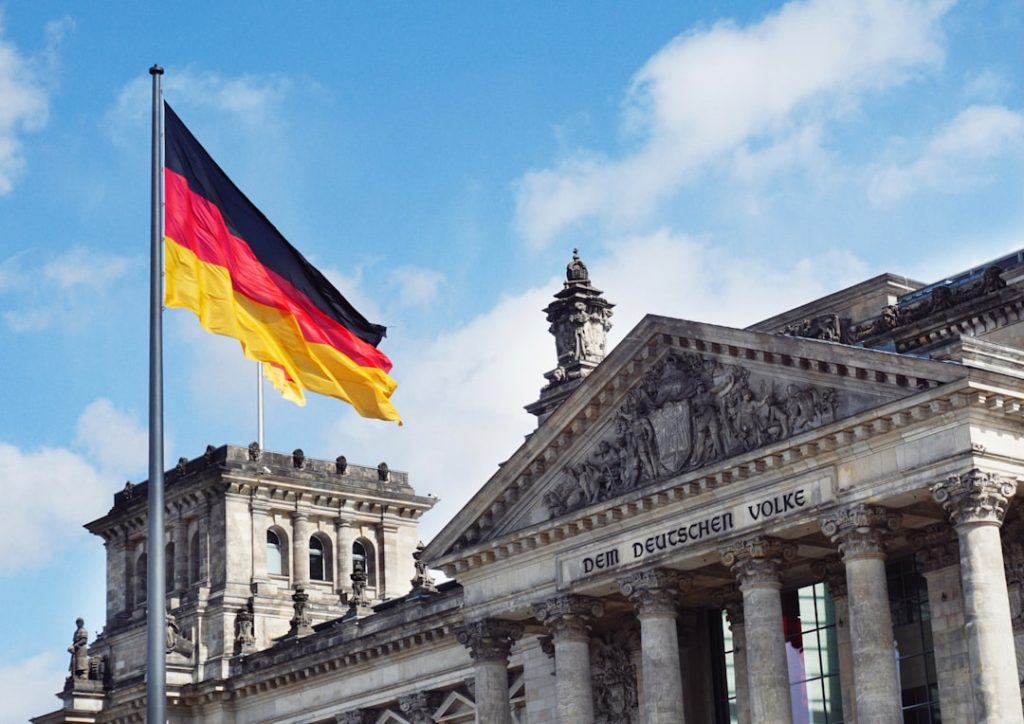
Germany faces political challenges as AfD gains traction in upcoming regional elections.
Germany faces political challenges as AfD gains traction in upcoming regional elections.
???? The Core Event:
Recent polls in Saxony-Anhalt show AfD gaining over 40% support ahead of regional elections.
???? Objective Analysis:
Germany’s political landscape is undergoing significant shifts as recent polls highlight the growing influence of the AfD party, particularly in regions like Saxony-Anhalt. With its EU-skeptic stance and emphasis on national sovereignty, the AfD’s rise marks a critical juncture for traditional parties like the SPD and Greens, who are working to maintain societal stability and fend off extremism. Discussions around migration, education, and socio-economic justice further reveal deep-seated divides within the electorate, laying the groundwork for a potentially polarizing election and political discourse.
The rise of AfD serves as both a reflection of dissatisfaction with the current political infrastructure and a warning sign of the creeping influence of extreme populism. As democratic institutions grapple with this ideological challenge, the broader question becomes one of safeguarding social cohesion and fostering moderation in a polarized public arena. Moreover, the debate extends to economic issues such as pension reforms and resource allocation for vulnerable populations.
Education and integration strategies will play a pivotal role in mitigating societal divides fueled by polarized rhetoric. The implications of the upcoming election stretch beyond regional borders, posing a test to Germany’s ability to uphold its democratic principles while preventing radical ideologies from gaining deeper roots.
⚖️ Public & Societal Impact:
- ???? The AfD’s rise creates unrest in communities, sparking debates about extremism and its broader societal impact.
- ???? Migration and education policies demand greater emphasis on fostering inclusive dialogue and mutual understanding.
- ???? Heightened political polarization challenges Germany’s ability to maintain social harmony and democratic stability.
♟️ Future Projections:
Moreover, a clear emphasis on fostering dialogue among diverse citizen groups could be a constructive path forward. This requires targeted campaigns to promote inclusivity and bridge ideological gaps while preventing further societal division. Regional leaders and policymakers may prioritize creating platforms to engage migrant communities, ensuring active participation in the democratic process.
Germany’s response will likely set important precedents in handling ideological challenges within democratic systems. Attention to critical institutional reforms in education, healthcare, and urban housing—while keeping extremist tendencies in check—will shape a roadmap toward long-term social stability and resilience against populist pressures.