



Neutral Analysis on Germany’s Political Dynamics and Rise of Right-Wing Movements

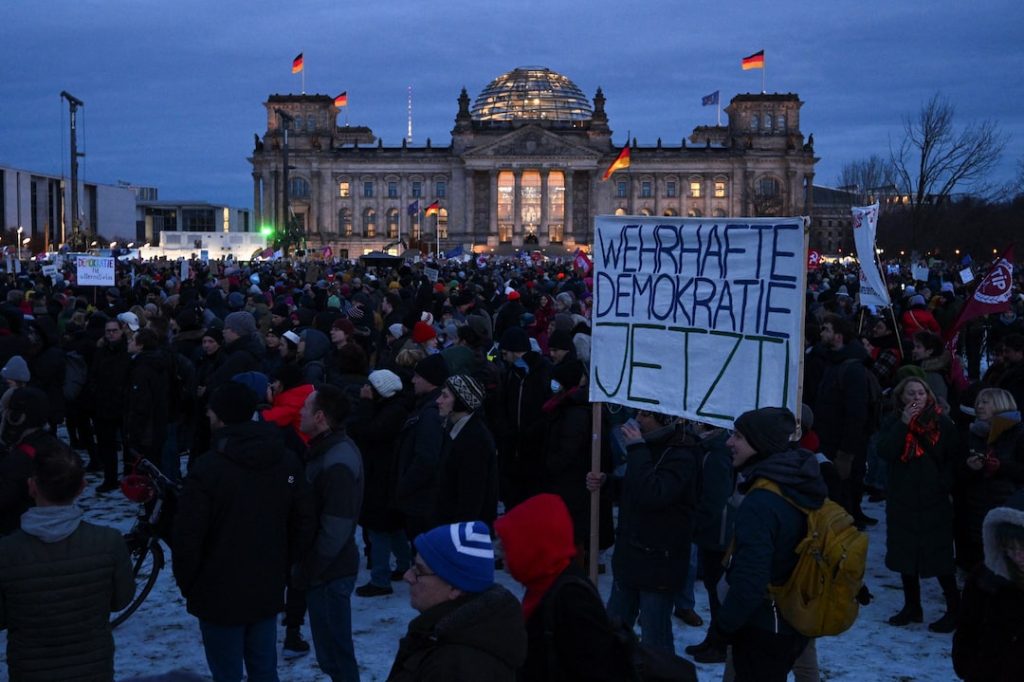
Neutral Analysis on Germany’s Political Dynamics and Rise of Right-Wing Movements
Neutral Analysis on Germany’s Political Dynamics and Rise of Right-Wing Movements
???? The Core Event:
Germany faces heightened political tensions as AfD gains momentum, prompting counterstrategies from other parties.
???? Objective Analysis:
The political developments surrounding the AfD present a crucial phase for Germany. Employing tactics such as the use of churches on posters and anti-establishment rhetoric, the party seeks to establish itself as an alternative voice. Simultaneously, democratic institutions and citizen groups are grappling with ways to manage polarization.
AfD’s rising influence stems from broader societal challenges like economic uncertainty and cultural tensions. Their appeal to disenchanted voters who feel ignored by mainstream politics or are frustrated with the status quo, attracts attention not only domestically but across Europe. However, countering such growth effectively demands proactive strategies that address the root issues fueling polarization.
Complicating matters is the perceived lack of cohesive strategies from traditional parties to effectively tackle AfD’s radicalism. Particularly vulnerable are rural areas and specific voter groups drawn to these populist narratives. This underscores the critical need for integration-focused efforts, education, and promoting social cohesion. Additionally, migration debates and European solidarity are increasingly pivotal in shaping public perceptions and policy frameworks.
⚖️ Public & Societal Impact:
- ???? Everyday life for citizens may encounter disruptions due to growing divisions and radical rhetoric.
- ???? Educational institutions and non-profits step up to inspire moderate values and combat extremism.
- ???? Immigrant communities could feel alienated, facing hurdles in identity-building and integration.
♟️ Future Projections:
On regional levels, integrating youth-focused activities and enhancing educational facilities can make substantial contributions. National strategies should prioritize rebuilding trust in democratic institutions, addressing migration concerns, and crafting innovative policy responses to societal challenges.
Meanwhile, at the European level, comprehensive measures against extremism and advancing deeper integration debates are essential. Germany, given its political prominence, could lead by example, offering both domestic stability and European unity as a model approach.