



German elections reveal political polarization and integration challenges

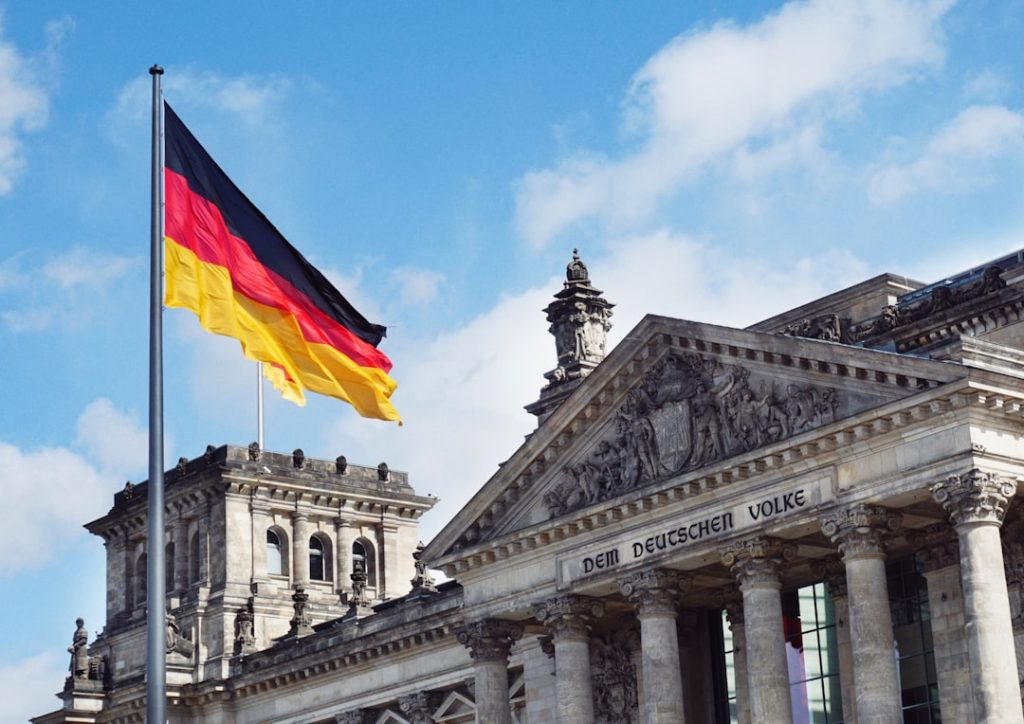
German elections reveal political polarization and integration challenges
German elections reveal political polarization and integration challenges
???? The Core Event:
Rising influence of radical parties like AfD sparks debates on their societal impacts.
???? Objective Analysis:
Germany’s current political dynamics reveal deepening divisions within its electorate, amplified by the rise of radical parties such as the Alternative for Germany (AfD). Elections in regions like Saxony-Anhalt underscore a notable shift toward these previously marginalized factions, fueled by voter anxieties over migration, economic insecurity, and cultural change. Traditional parties have grappled with finding effective strategies, oscillating between direct confrontation and tactical alliances. However, the aggressive rhetoric often seen in campaigns, both online and offline, exacerbates societal divisions rather than fostering solutions. For migrant communities, the situation is particularly challenging, with integration efforts often becoming collateral damage in polarized debates. It is essential to recognize that support for radical parties is not solely rooted in anti-migration sentiment; broader fears concerning economic stability and perceived losses of national identity also play significant roles. Moving forward, the need for sustainable policies that promote social cohesion alongside addressing citizens’ legitimate concerns is imperative. Germany must balance its commitment to democracy, inclusivity, and integration while countering the divisive forces shaping its political landscape.
⚖️ Public & Societal Impact:
- ???? Migrant communities face heightened scrutiny, making integration more challenging amid divisive narratives.
- ???? Social tensions are growing, particularly in economically strained regions.
- ???? A sense of uncertainty permeates across the electorate, fostering polarization on multiple fronts.