



Friedrich Merz Faces Mounting Political Pressure Amid Waning Popularity and Critical Reforms

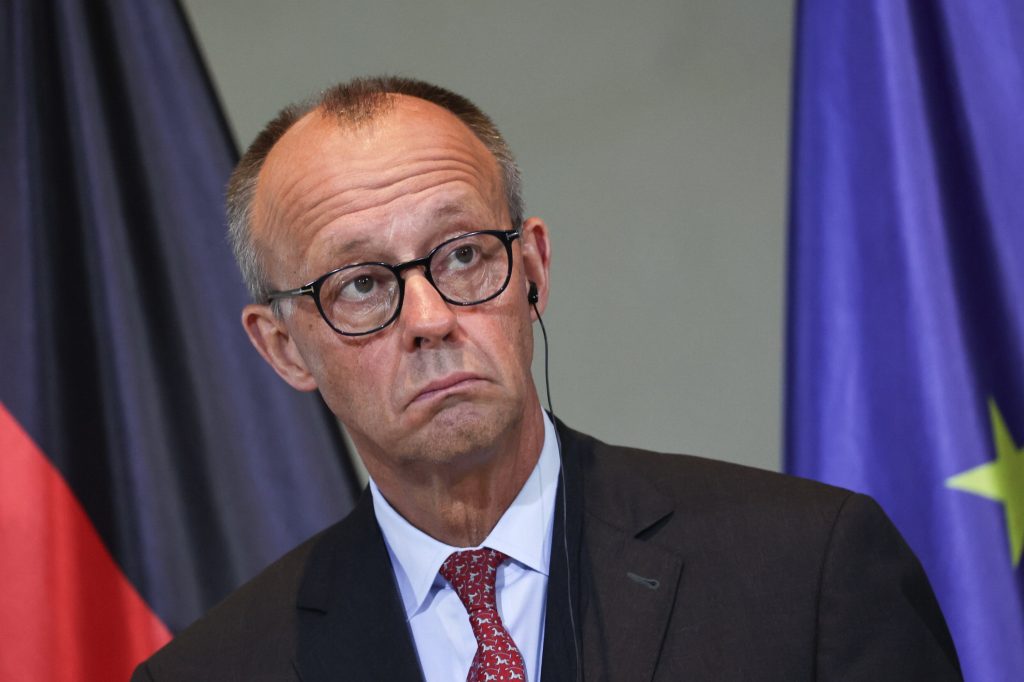
Friedrich Merz Faces Mounting Political Pressure Amid Waning Popularity and Critical Reforms
Friedrich Merz Faces Mounting Political Pressure Amid Waning Popularity and Critical Reforms
???? The Core Event:
German Chancellor Merz confronts significant challenges as his administration launches key reforms amid public skepticism.
???? Objective Analysis:
The current situation surrounding German Chancellor Friedrich Merz presents an intricate political landscape marked by rising challenges and diminishing public support. As preparations for the cabinet retreat advance, the focus shifts to Merz’s concerted effort to pass imperative reform packages swiftly. However, this urgency collides with mounting criticism, both internally within the party and externally from opposition quarters.
Recent polls reflect a significant drop in Merz’s popularity, as many citizens increasingly perceive his approach as insufficient in addressing pressing national concerns. The backlash largely revolves around delays in tackling climate-related issues, ensuring social security, and responding to natural disasters. Furthermore, reshuffles within leadership have undermined public trust, intensifying skepticism around his ability to lead effectively under pressure. These dynamics suggest a precarious situation where Merz’s leadership will be scrutinized for both its strategic decision-making and responsiveness.
In addressing these challenges, Merz requires meticulous planning to secure tangible progress on pivotal issues, including energy security ahead of winter’s arrival, coherent environmental strategies, and improvements in the country’s infrastructure. The critiques over rent policy delays and missed opportunities in disaster preparedness could further amplify the urgency surrounding upcoming cabinet deliberations.
⚖️ Public & Societal Impact:
- ???? General citizens feel the growing uncertainty surrounding energy and economic stability as winter approaches.
- ???? Immigrant communities may feel alienated due to escalated political discourse over restrictive residency policies.
- ???? Environmental advocates worry over slower political action on climate change and disaster response strategies.
♟️ Future Projections:
Compounding these efforts will be the necessity of stabilizing the CDU internally, amidst rising internal opposition and concerns about leadership efficiency. Beyond cabinet-level decisions, managing opposition parties’ pressures and ensuring bipartisan appeal will be crucial to navigating the current political terrain effectively.
Additionally, strategic outreach and communication must become pivotal, with Merz aiming to reinforce his image as a capable leader dedicated to national welfare. How these dynamics play out could set the tone for broader EU-level discussions and Germany’s role within the European political economy in light of pressing energy and environmental challenges.