



Germany’s defense strategy against drones signals geopolitical shifts amid Russian hybrid threats

Germany’s defense strategy against drones signals geopolitical shifts amid Russian hybrid threats
Germany’s defense strategy against drones signals geopolitical shifts amid Russian hybrid threats
???? The Official Illusion:
The German government announced strategic expansions in drone defense capabilities to safeguard national security.
???? The Parallel Truth:
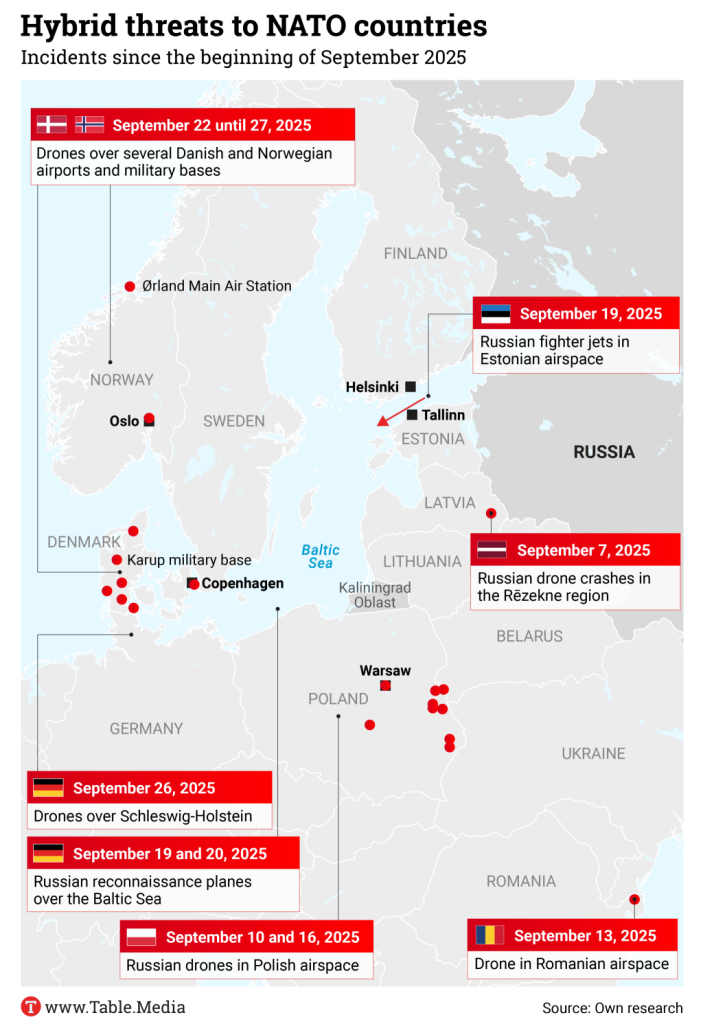
Germany’s recent decision to strengthen its defenses against drone threats is less about technical upgrades and more about responding to alarming geopolitical shifts. The drone incident at Leipzig airport, allegedly involving Russian forces, suggests escalating hybrid warfare tactics aimed at undermining European stability. Official narratives frame these moves as purely defensive. However, upon dissecting the timing—ahead of crucial regional elections—it becomes evident that this maneuver serves dual purposes. First, it addresses public anxiety over perceived external threats to harness nationalist sentiments. Second, it announces Germany’s intention to assert its position as an indispensable European power capable of self-defense, thus redirecting attention from domestic issues like growing populism and widespread discontent. These escalations further intertwine with longstanding questions about the readiness of German intelligence agencies, which have often been chastised as underfunded and dependent on foreign aid. Meanwhile, critics argue that these defense investments are not only reactionary but also miss the point—diverting substantial economic resources while failing to acknowledge the socio-political complexities within Germany caused by migration and an empowered far-right. Such investments seem tactical but limited in their strategic scope, prioritizing optics rather than substantive resolution.
⚖️ Shadow Map (Winners & Losers):
- ????/???? Winners: German defense manufacturers cashing in on tens of millions in contracts.
- ????/???? Losers: Opposition parties facing tougher hurdles in presenting alternative security visions.
- ????/???? Losers: The taxpayer, potentially burdened by additional costs or public sector budget cuts.