



Germany Faces New Divisions as Ideological Walls Deepen

Germany Faces New Divisions as Ideological Walls Deepen
Sixty-five years after the construction of the Berlin Wall, Germany grapples with growing ideological divides that threaten national unity and democratic values.
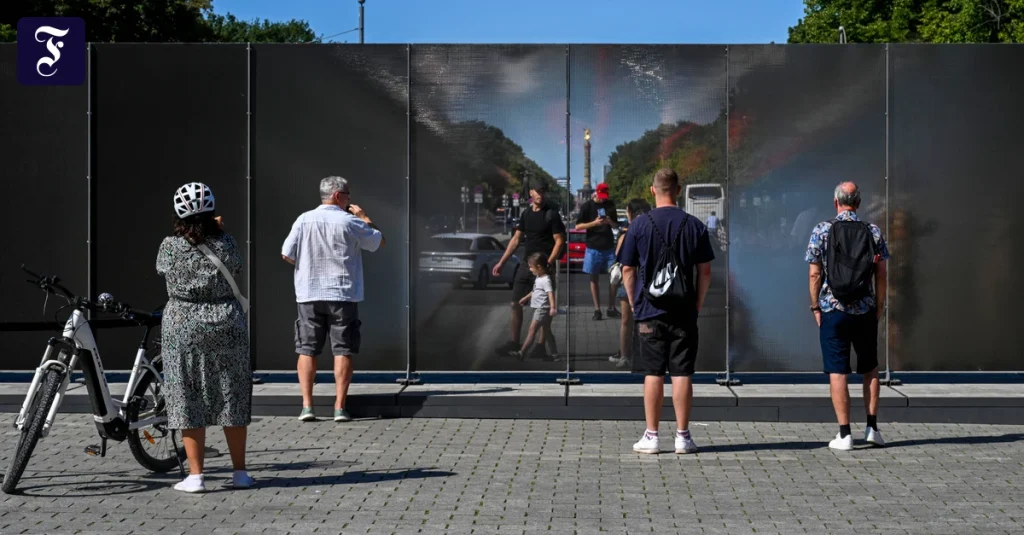
As Germany marks the 65th anniversary of the Berlin Wall’s construction, a new form of division is emerging—one without physical barriers but equally capable of splitting the nation. Political and cultural fractures are deepening, fueled by ideological polarization and historical reinterpretations. These divides are reshaping the country’s political landscape and challenging its democratic foundations.
The erosion of collective memory and the misuse of historical narratives have contributed to this fragmentation. Extremist rhetoric, both from the far-left and far-right, has gained traction, undermining the lessons of Germany’s past. While the left has leveraged nostalgia for the former East Germany to push anti-capitalist and revolutionary agendas, the right has embraced identity-based politics that threaten social cohesion. Both sides have exploited historical symbols for political gain, diluting their significance and fostering division.
Upcoming elections in Berlin and Saxony-Anhalt highlight the stakes of this growing divide. In Berlin, a party rooted in East German ideology could emerge victorious, while in Saxony-Anhalt, a far-right party may secure a majority government. These developments underscore the urgent need for integration and dialogue to counteract ideological extremism. Germany’s democratic resilience depends not on moral superiority or exclusion, but on fostering unity and mutual understanding across political and cultural lines.
Edited and prepared by AboMatrix