



Reflecting on a Decade of Brexit: Lessons and Legacies

Reflecting on a Decade of Brexit: Lessons and Legacies
As the UK marks the 10th anniversary of its decision to leave the European Union, the impact of Brexit continues to resonate, revealing deep societal divisions and political ramifications. This milestone prompts reflection on the lessons learned and the ongoing debates surrounding immigration and governance.
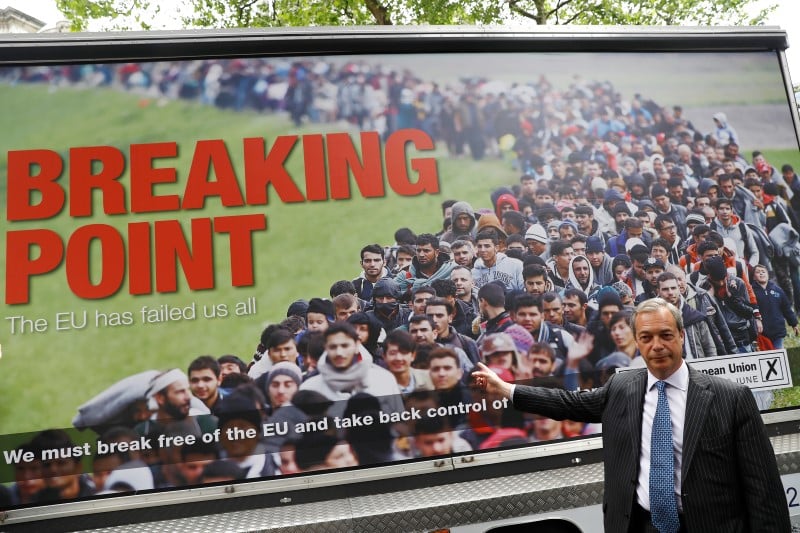
The Brexit referendum, held on June 23, 2016, resulted in a narrow victory for the Leave campaign, with 51.89% of voters opting to exit the EU. This decision shocked many and exposed the government’s lack of preparedness for the ensuing negotiations, leading to widespread disbelief and division within the country and families alike. The aftermath saw a surge in blame and insults on social media, overshadowing substantive policy discussions.
The roots of the Brexit sentiment can be traced back to decades of political and social divisions, particularly those exacerbated by Margaret Thatcher’s government. The Conservative Party’s current leadership, believing it understood the electorate’s needs, failed to bridge the growing chasm of distrust between Westminster and the public. The simplistic messaging of ‘Take Back Control’ resonated powerfully, contrasting sharply with the more complex arguments presented by the Remain camp, which struggled to connect with voters.
Looking back, some analysts suggest that the outcome of the referendum could have been different had political strategies evolved more effectively. Tony Blair’s centrist shift in the Labour Party demonstrated the potential for transformative electoral success, yet the political landscape in 2016 was marred by a lack of substance and clarity. As the UK reflects on a decade of Brexit, the lessons learned highlight the importance of addressing public concerns and fostering trust in governance.
Source: euobserver.com