



Italy Suspends Schengen Agreement with Spain Amidst Ceuta Migrant Crisis: A Bold Move to Fortify Borders
The dramatic suspension of the Schengen Agreement between Italy and Spain marks a significant turning point in the European migrat...

Italy Suspends Schengen Agreement with Spain Amidst Ceuta Migrant Crisis: A Bold Move to Fortify Borders
⏱ 5 دقيقة قراءة
???? ما وراء الكواليس
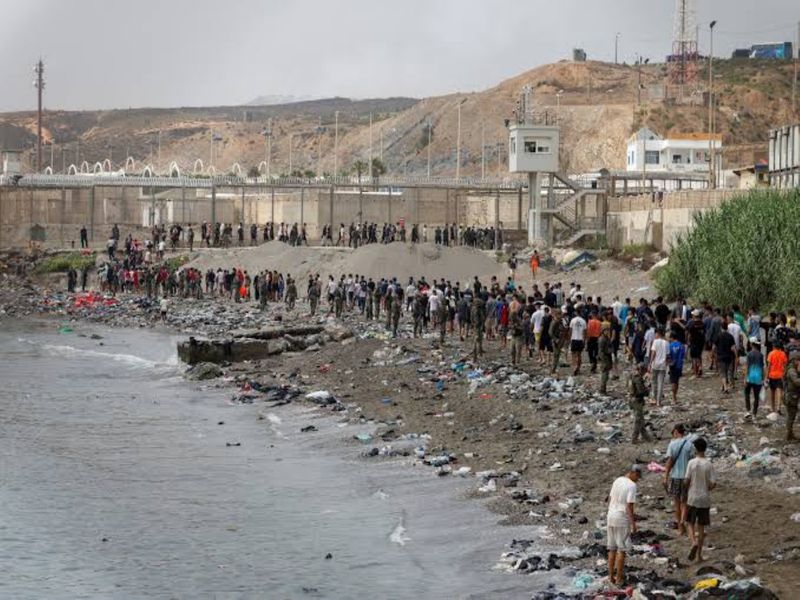
The dramatic suspension of the Schengen Agreement between Italy and Spain marks a significant turning point in the European migration crisis narrative. This decision, announced by Italian Foreign Minister Antonio Tajani, is not merely a reaction to the surge in migrant arrivals at the Spanish enclave of Ceuta; it is a clarion call regarding the fragility of the current European border system. As thousands of migrants cross from Morocco into Ceuta, an area that serves as the EU’s only land connection to the African continent, the Italian government is grappling with a pressing existential question: how to maintain national security while adhering to the principles of free movement that Schengen embodies. Italy’s move, which suspends the open-border policy for one month, reflects a broader sentiment among EU nations that are increasingly feeling the strain of unchecked immigration and the accompanying societal tensions. This crisis is exacerbated by the perception that European borders are under siege, prompting countries to take unilateral actions that could unravel decades of collaborative border management.
⚖️ الأبعاد القانونية
The legal implications of Italy’s suspension of the Schengen Agreement are profound and multifaceted. Under EU law, member states can invoke temporary border controls in response to serious threats to public order or internal security. However, this move raises questions about the long-term viability of the Schengen area, which was designed to promote free movement across borders. The suspension is framed as a necessary response to an unprecedented situation, but it also opens the door for other nations to adopt similar measures, potentially leading to a domino effect that could dismantle the Schengen framework. Critics argue that such actions undermine the principles of solidarity and shared responsibility that are supposed to underpin the EU’s approach to migration. Furthermore, it poses legal challenges regarding the treatment of migrants at borders, as increased controls could lead to heightened risks of human rights violations. The EU’s asylum procedures and the rights of individuals seeking refuge are also brought into sharp focus, as nations grapple with balancing legal obligations with national security concerns. Italy’s unilateral decision could prompt a reevaluation of existing treaties and agreements regarding migration and asylum, necessitating urgent discussions among member states about the future of border management in the face of ongoing migration pressures.
???? الرابحون والخاسرون
In this tumultuous scenario, we see a clear delineation of winners and losers. On one hand, the Italian government positions itself as a protector of national security and public safety, appealing to citizens who may feel threatened by the influx of migrants. This strategic move allows Italy to galvanize domestic support, showcasing a tough stance that resonates with constituents worried about security and cultural integration. However, the repercussions of such a stance could alienate Italy from its EU partners, who may view this as a breach of the cooperative spirit that has characterized the Schengen framework. The losers in this scenario are undoubtedly the migrants themselves, who find themselves caught in a geopolitical tug-of-war. With heightened border controls and the potential for increased deportations, these individuals, many of whom are fleeing dire circumstances, face an uncertain future. The suspension also raises concerns about human rights violations and the treatment of migrants as they navigate increasingly fortified borders. Additionally, Spain finds itself in a precarious position, tasked with managing a crisis that has drawn unwanted attention to its own immigration policies and border management strategies. The EU, as a collective entity, risks losing credibility as a champion of human rights and open borders, which could lead to increased fragmentation within the bloc as member states prioritize national interests over collective solutions.
???? السيناريوهات المستقبلية
Looking ahead, the future of the Schengen Agreement hangs in a precarious balance as Italy’s suspension has set a precedent that could encourage other nations to follow suit. If this trend continues, we may witness the re-emergence of hard borders across Europe, fundamentally altering the landscape of mobility within the continent. The EU must respond decisively to address the root causes of migration, including socio-economic disparities and conflict, to prevent further unilateral actions by member states. Additionally, there is a critical need for a comprehensive and coordinated EU migration policy that balances security with humanitarian obligations. Collaborative efforts among member states are essential to establish robust frameworks for managing migration flows, ensuring that the rights of migrants are protected while addressing legitimate security concerns. The situation in Ceuta serves as a stark reminder that without proactive measures and a unified approach, Europe’s borders could become increasingly militarized, further complicating the migration crisis. As public sentiment shifts and the political landscape evolves, the EU’s commitment to maintaining an open-border policy will face its most significant test yet, determining not only the future of migration in Europe but also the cohesion of the European Union itself.
المصدر المرجعي: tribuneindia.com | Analyzed by AboMatrix AI Engine