



Assessment of European Asylum Policies and Paths to Restructuring

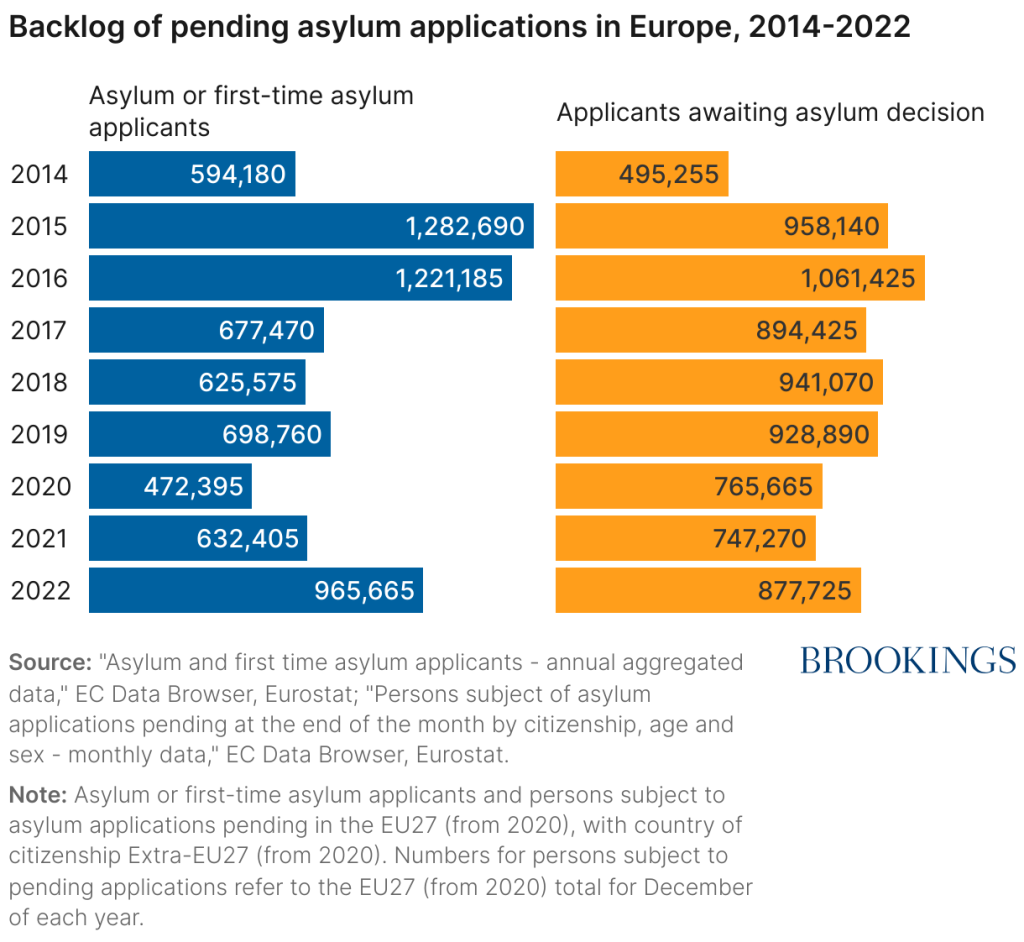
Assessment of European Asylum Policies and Paths to Restructuring
[ ???? Shadow Document (Track II) | Kitchen: Source Institution | Directed to: Ministry/Council ]
???? Secret Diagnosis
The analyzed documents indicate a systemic crisis within the European asylum system, which is no longer capable of effectively addressing increasing migration flows. Core problems manifest as sudden demographic shifts and increasing political pressures on member states to redirect funds allocated to refugees. Despite the EU’s efforts, divisions among member states regarding the handling of migrants and border control are leading to further chaos. Asylum mechanisms have failed to provide the necessary support and resources to process migrant and refugee cases, making the crisis fundamental and perennial without effective strategic solutions.
Failure Analysis
Previous policies have neglected the complex factors driving migration, such as ongoing conflicts and extreme poverty in source countries. Overreliance on non-binding agreements with non-European countries, such as Turkey, has facilitated increased migration flows without effective monitoring mechanisms. Furthermore, the failure of the European Commission to enforce uniform policies among member states has led to heightened discrepancies in the treatment of refugees. Despite the existence of necessary frameworks, these have not been utilized to improve conditions in reception centers or enforce fair processing standards. This divided governance and the failure of member states to comply with all regulatory standards have significantly contributed to the exacerbation of the current situation.
Strategic Alternatives
- ⚡ Develop joint coordination mechanisms among member states to ensure fair distribution of refugees with a focus on their social and economic integration.
- ⚡ Enhance cooperation with migrant-sending countries through long-term strategies that include political and economic support.
- ⚡ Restructure the European asylum system to align with international standards and implement effective border control measures.
Geopolitical Price
Germany will face considerable political pressure when renegotiating with refugee-sending countries, like Turkey and African nations, which may result in reduced humanitarian aid or development support. Additionally, stringent migration strategies could attract criticism from human rights organizations and have negative repercussions on its relationships with European partners. Thus, it will be imperative to balance national interests with the fundamental European values that promote human rights.
Legal Counter-Strike
Legal challenges from human rights organizations that may contest the new migration control measures on grounds that they violate the right to asylum are expected. This could escalate into lawsuits in European courts concerning discrimination and refugee rights, where rights advocates demand legal guarantees. If courts fully endorse aggressive responses and restrictive policies, sanctions might be imposed on member states that fail to comply with their legal obligations.
????️ Strategic Reference: [Source] | ????️????️ Policy Extraction: AboMatrix Deep-State Unit