



Lampedusa: The Crucible for EU’s New Migration Screening Process
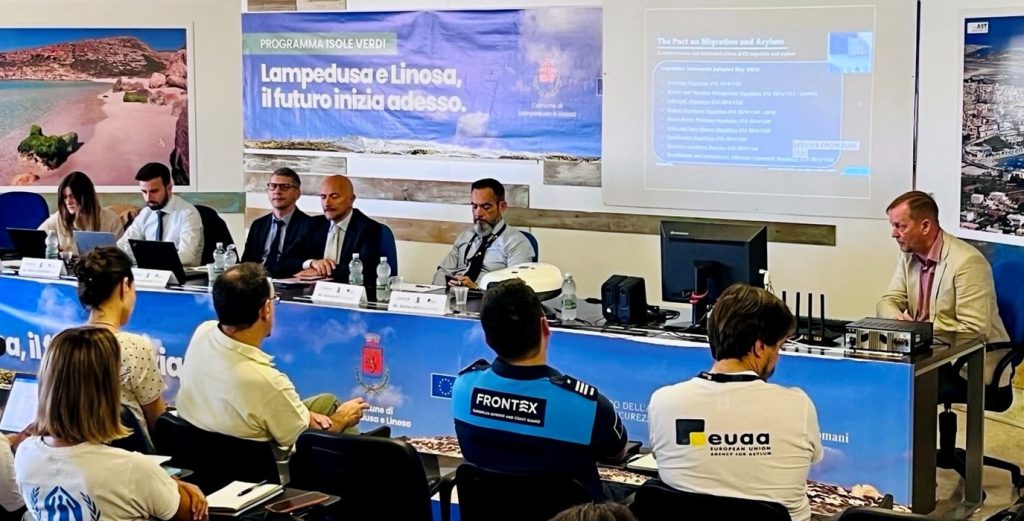
The Italian island of Lampedusa has emerged as the experimental site for a new migration screening process, orchestrated by Frontex, the EU Agency for Asylum (EUAA), an...

Lampedusa: The Crucible for EU’s New Migration Screening Process
⏱ 4 min read
Executive Summary
The Italian island of Lampedusa has emerged as the experimental site for a new migration screening process, orchestrated by Frontex, the EU Agency for Asylum (EUAA), and Europol. This initiative, framed within the broader context of the EU Pact on Migration and Asylum, seeks to streamline procedures for migrants arriving at the EU’s southern border. This marks a pivotal shift in the EU’s approach to migration management, emphasizing rapid processing and enhanced security measures.
Strategic Context
Historically, Lampedusa has been at the forefront of the European migration crisis, serving as a primary entry point for thousands of migrants and refugees fleeing conflict and poverty. The island’s geographical position has made it a focal point for European migration policies, often exposing its limited resources and strained infrastructure. In recent years, the EU has grappled with the challenges of managing irregular migration, leading to the development of the EU Pact on Migration and Asylum, which aims to establish a more cohesive and comprehensive approach to migration across member states.
The Pact, introduced in 2020, seeks to balance the responsibilities of member states in managing migration flows while ensuring the protection of migrants’ rights. It underscores a shift towards more stringent border controls and expedited asylum procedures. The testing of the new screening process in Lampedusa is indicative of the EU’s commitment to implementing the Pact’s provisions, reflecting a broader trend towards enhanced surveillance and security measures in migration policy.
Deep Analysis
The new screening process being tested in Lampedusa represents a strategic pivot in the EU’s migration policy, driven by a combination of political pressures and security concerns. The collaboration between Frontex, EUAA, and Europol highlights a growing reliance on multinational agencies to manage migration effectively. This approach aims to facilitate quicker identification of migrants and their needs, potentially reducing the backlog in asylum applications that has plagued the EU for years. However, this rapid processing raises significant concerns regarding due process and the potential for hasty decisions that could jeopardize the rights of vulnerable individuals.
Furthermore, the political motivations behind this initiative cannot be overlooked. With rising anti-immigrant sentiment in several EU member states, there is a palpable urgency to demonstrate effective border management. The testing of this screening process is likely a response to domestic pressures to curb irregular migration and reassure citizens of national security. However, this may come at the cost of humanitarian principles, as the focus shifts from individual assessments to expedited processing aimed at reducing numbers.
Critics argue that the reliance on security agencies like Europol in the migration process could lead to a prioritization of border security over the protection of human rights. The integration of law enforcement in migration management may result in a more punitive environment for migrants, where the emphasis is placed on deterrence rather than support. This approach risks undermining the fundamental tenets of international asylum law, which mandates fair and thorough assessments of asylum claims.
Impact on Migrants
The implementation of this new screening process in Lampedusa is poised to have significant legal and social implications for migrants. On one hand, the expedited processing could offer a faster resolution to asylum claims, potentially reducing the time migrants spend in limbo. However, the focus on rapid assessments raises concerns about the adequacy of legal protections in place for individuals seeking refuge. The lack of comprehensive legal support during screenings may lead to a higher likelihood of wrongful rejections or misclassifications of asylum seekers.
Socially, the introduction of this screening process may exacerbate tensions within local communities already grappling with the challenges of accommodating large numbers of migrants. The perception of Lampedusa as a testing ground for EU policies could lead to further stigmatization of migrants, complicating their integration into society. Additionally, the increased presence of security personnel may foster an atmosphere of distrust and fear among migrants, hindering their ability to seek assistance and build connections within the host community.
Outlook & Conclusion
The future of the EU’s migration policy hinges on the outcomes of the Lampedusa screening process. As the EU grapples with balancing security and humanitarian obligations, the implications of this initiative will resonate beyond the island, shaping the trajectory of migration management across Europe. The commitment to rapid processing must be tempered with a dedication to upholding the rights and dignities of migrants, ensuring that the lessons learned from Lampedusa inform a more equitable and just approach to migration in the future.
Anchor Source: news.google.com | Analyzed by AboMatrix AI Engine