



Germany’s Asylum Policy: A Paradigm Shift in Migration Management
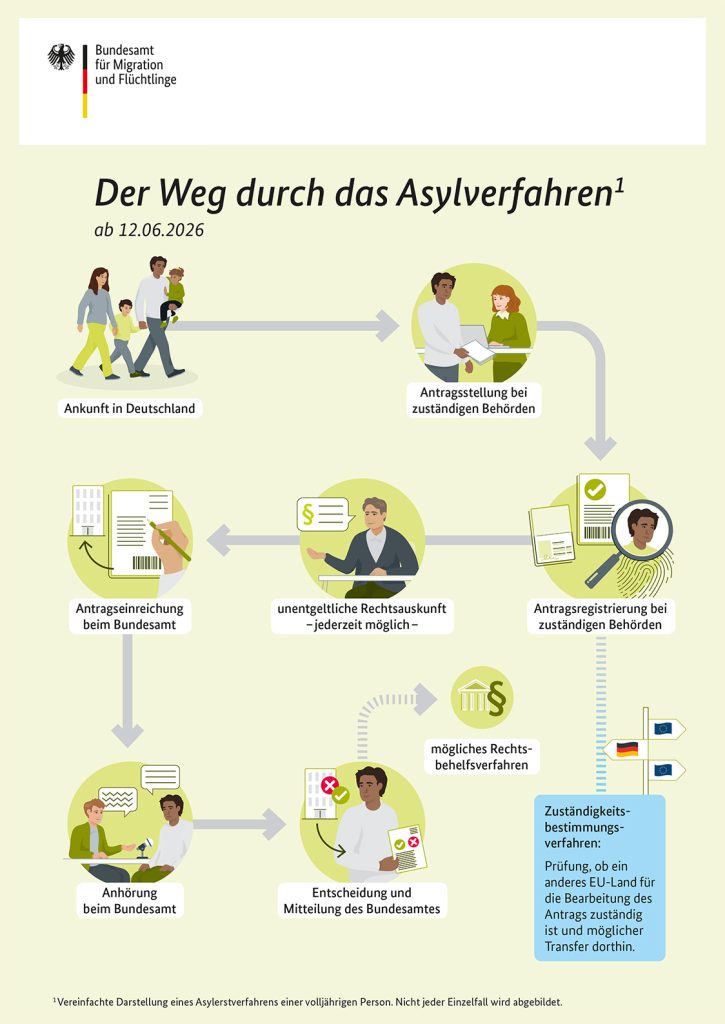
Germany's Federal Office for Migration and Refugees (BAMF) has unveiled a groundbreaking reform in its asylum procedures, aiming to expedite the processing of applicati...

Germany’s Asylum Policy: A Paradigm Shift in Migration Management
⏱ 4 min read
Executive Summary
Germany’s Federal Office for Migration and Refugees (BAMF) has unveiled a groundbreaking reform in its asylum procedures, aiming to expedite the processing of applications while intensifying scrutiny on fraudulent claims. This move, precipitated by an unprecedented influx of asylum seekers, signals a decisive pivot towards a more stringent yet efficient migration policy, reflecting the government’s dual commitment to humanitarian obligations and national security.
Strategic Context
Historically, Germany has been a beacon of hope for refugees, particularly during the 2015 migrant crisis when Chancellor Angela Merkel opened the borders to those fleeing conflict and persecution. This gesture, while laudable, led to significant strains on the asylum system, inciting public dissent and political backlash that has since influenced policy-making. The rise of far-right populism in subsequent years has further complicated the landscape, as parties like the Alternative for Germany (AfD) have capitalized on fears surrounding immigration, compelling the government to recalibrate its approach.
In response to these pressures, the BAMF’s latest reforms come at a time when the European Union is grappling with its own migration challenges. The EU’s inability to forge a cohesive, humane response has left member states like Germany to navigate the murky waters of asylum policy largely on their own. The new measures are thus a reflection of both internal political dynamics and broader European trends, as member states increasingly prioritize border security and immigration control over traditional asylum frameworks.
Deep Analysis
The BAMF’s reform is not merely a bureaucratic adjustment; it represents a fundamental shift in the philosophical underpinnings of Germany’s asylum policy. By streamlining application processes and enhancing the verification of claims, the government aims to deter fraudulent applications that have plagued the system. However, this raises significant ethical questions about the balance between efficiency and fairness. Critics argue that expedited processes could compromise the thoroughness needed to assess claims genuinely, potentially resulting in unjust outcomes for vulnerable individuals seeking refuge.
Moreover, this policy shift reflects a broader trend within European governance where the prioritization of national security increasingly overshadows humanitarian commitments. The German government, under pressure from both the electorate and EU partners, appears to be adopting a more defensive posture towards migration. This could set a precedent for other EU states to follow, further entrenching a culture of suspicion and exclusion rather than one of inclusion and support for refugees.
The political motivations behind these reforms are equally telling. The current coalition government, while ostensibly committed to upholding human rights, is navigating a precarious political landscape. With elections looming and public sentiment shifting towards skepticism of immigration, the BAMF’s reforms may be seen as an attempt to placate both the electorate and rising populist sentiments. In this context, the reforms can be interpreted as a tactical maneuver to safeguard the political status quo rather than a genuine commitment to improving the asylum process.
Impact on Migrants
For migrants and refugees, the immediate implications of BAMF’s new asylum policy are profound. The expedited processing of applications may offer a sense of urgency and hope to those in limbo; however, this comes at a potential cost. The increased scrutiny of claims could lead to more rejections, especially for those from countries that have been categorized as ‘safe,’ where the likelihood of persecution is deemed lower. This could result in a chilling effect, dissuading individuals from seeking asylum in Germany altogether, fearing a swift denial rather than a fair hearing.
Socially, the reforms could exacerbate existing tensions within communities, potentially stigmatizing asylum seekers as fraudsters or undesirables, particularly if the narrative surrounding the policy focuses disproportionately on fraudulent claims. The risk of increased xenophobia and social division looms large, as the government’s pivot towards a more stringent policy may inadvertently validate populist rhetoric that demonizes migrants, undermining the very fabric of societal integration efforts that Germany has championed in the past.
Outlook & Conclusion
Looking ahead, Germany’s asylum reforms will undoubtedly shape the future of migration policy within the country and across Europe. While the government seeks to balance humanitarian responsibilities with national security, the challenge lies in ensuring that efficiency does not come at the expense of justice and compassion. As the political landscape continues to evolve, the implications of these reforms will require vigilant scrutiny, lest they pave the way for a new era of exclusionary practices that betray the very ideals of asylum and refuge.
Anchor Source: news.google.com | Analyzed by AboMatrix AI Engine