



Germany’s New Migration Policy: A Strategic Shift towards Skilled Labor Integration
Germany has announced a groundbreaking migration policy aimed at attracting skilled labor from abroad, fundamentally altering its approach to immigration. This initiati...

Germany’s New Migration Policy: A Strategic Shift towards Skilled Labor Integration
⏱ 4 min read
Executive Summary
Germany has announced a groundbreaking migration policy aimed at attracting skilled labor from abroad, fundamentally altering its approach to immigration. This initiative is set to streamline the process for migrants seeking vocational training and employment, addressing both labor shortages and demographic challenges. The policy not only emphasizes integration but also aligns with Germany’s broader economic objectives, marking a significant departure from past restrictive measures.
Strategic Context
Historically, Germany has grappled with waves of migration, often oscillating between welcoming refugees and tightening borders. The 2015 refugee crisis marked a pivotal moment, leading to a surge in asylum applications and a subsequent backlash against immigration policies. In recent years, however, the country has faced a pressing labor shortage exacerbated by an aging population. This situation has prompted policymakers to reassess their stance on migration, particularly in relation to skilled workers who can contribute to the economy.
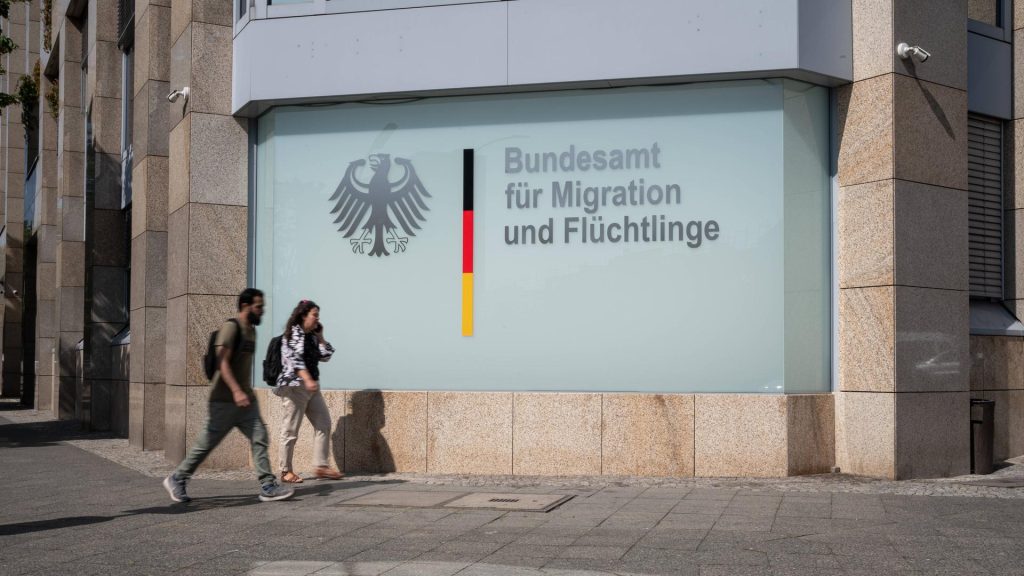
The Federal Office for Migration and Refugees (BAMF) has been at the forefront of these discussions, advocating for reforms that would facilitate the entry of qualified individuals into the German labor market. As global competition for skilled labor intensifies, Germany recognizes the necessity of creating a more attractive environment for migrants, particularly in sectors where domestic labor supply is insufficient. This new policy thus emerges as a calculated response to both economic imperatives and social integration challenges.
Deep Analysis
The newly unveiled migration policy is a strategic maneuver designed to bolster Germany’s workforce by prioritizing skilled labor immigration. By simplifying visa applications for vocational training and employment, the government aims to attract talent from around the globe. This move signals a significant shift from a historically cautious approach to one that embraces the economic potential of migration. The emphasis on vocational training is particularly noteworthy, as it aligns with Germany’s dual education system, which integrates apprenticeships with classroom learning, thus ensuring that migrants are not only employed but also integrated into the cultural and economic fabric of society.
Political motivations underpinning this policy are multifaceted. Firstly, addressing labor shortages in critical sectors such as healthcare, engineering, and technology is paramount for sustaining economic growth. The policy reflects an acknowledgment that a robust workforce is essential for maintaining Germany’s status as a leading global economy. Moreover, by positioning itself as an attractive destination for skilled migrants, Germany seeks to counteract the brain drain experienced by many countries, fostering a more diverse and innovative workforce.
However, the policy is not without its critics. Detractors argue that while the focus on skilled labor is essential, it risks sidelining humanitarian considerations for refugees and asylum seekers. The challenge will be to balance economic needs with the moral imperative to provide refuge for those fleeing persecution. Additionally, there are concerns about the potential for social tensions as new migrants integrate into communities, highlighting the need for comprehensive support systems to facilitate successful assimilation.
Impact on Migrants
For migrants and refugees, this policy represents a significant opportunity to gain access to the German labor market and improve their livelihoods through vocational training. By streamlining the application process and offering pathways to employment, the government is enhancing the prospects for successful integration, which is crucial for both personal and economic stability. This initiative could lead to increased social mobility for migrants, allowing them to contribute meaningfully to society and the economy.
However, the policy also raises questions about the treatment of those who do not meet the skilled labor criteria. Refugees and asylum seekers may find themselves in a precarious position, as the focus shifts to economic migrants. The challenge lies in ensuring that humanitarian protections remain robust and that vulnerable populations are not left behind as Germany seeks to fulfill its labor demands.
Outlook & Conclusion
Looking ahead, Germany’s migration policy will likely evolve in response to both domestic and international pressures. The success of this initiative will depend on its ability to integrate skilled migrants while addressing the needs of refugees and asylum seekers. As the global landscape of migration continues to shift, Germany’s approach may serve as a model for other nations grappling with similar challenges, but it must be executed with careful consideration of its social implications.
Anchor Source: news.google.com | Analyzed by AboMatrix AI Engine