



Isotopic Analysis Reveals Social Dynamics in Ancient Italian Community

Isotopic Analysis Reveals Social Dynamics in Ancient Italian Community
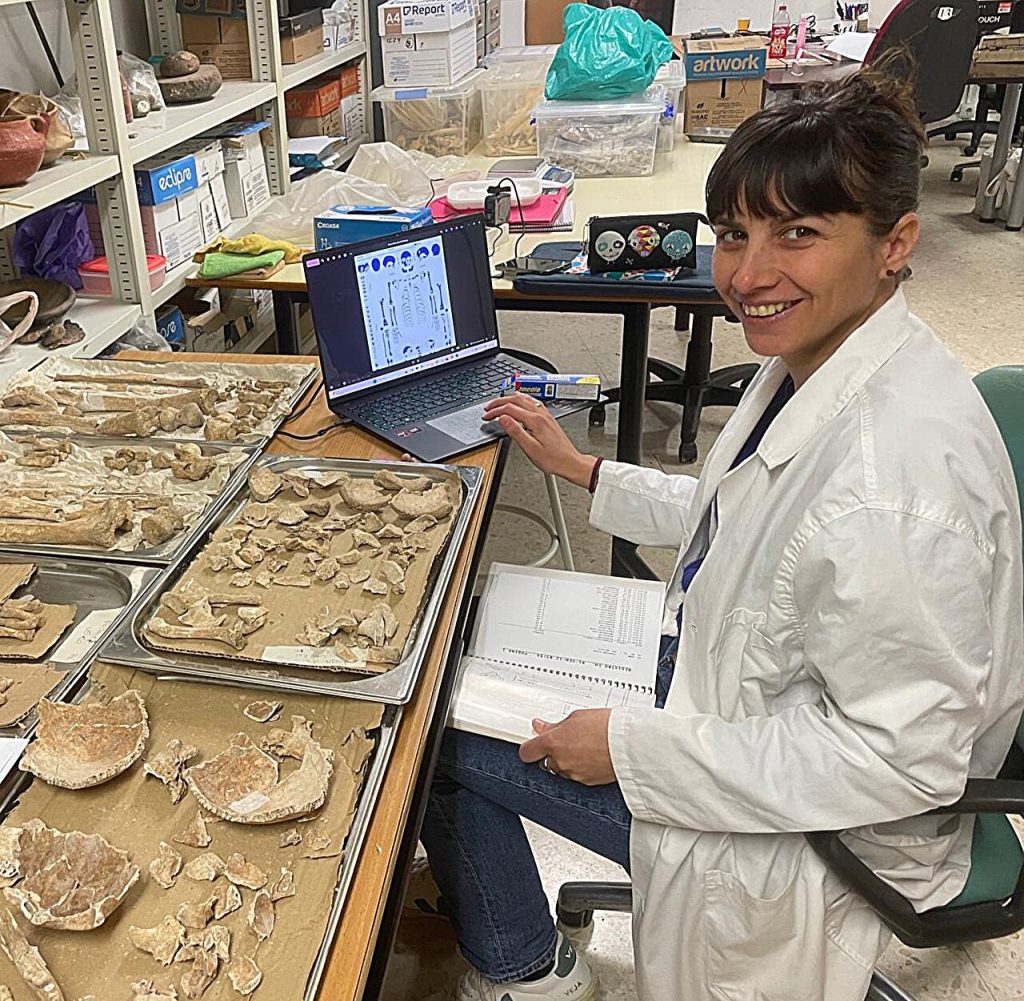
A study led by the Universities of Córdoba and Pisa utilizes isotopic analysis of human remains from the Novilara necropolis to uncover dietary patterns and social structures in a pre-Roman community 2,700 years ago.
The research indicates significant gender disparities in diet, with men having greater access to animal protein than women, and highlights a degree of mobility among the population, with 1.4% to 6.4% of individuals originating from outside the area. Additionally, the findings challenge traditional interpretations of social status, revealing that grave goods do not necessarily correlate with the deceased’s dietary quality or living conditions, suggesting that social prestige was more a symbolic construct than a reflection of actual status. This study, published in the Journal of Archaeological Science, enhances understanding of identity and social differences in ancient societies.
For journalistic integrity, this report was summarized from: phys.org