



AI-Powered Surveillance: The Controversial Rise of MonoCam Technology

AI-Powered Surveillance: The Controversial Rise of MonoCam Technology
⚡ Tech Brief
The recent ruling by the Higher Regional Court of Koblenz has sparked significant debate over the use of AI-driven surveillance technology, specifically the MonoCam system, for monitoring traffic violations related to mobile phone usage while driving. This decision raises critical questions about privacy rights and the legal frameworks governing digital evidence collection in Germany.
???? Deep Dive
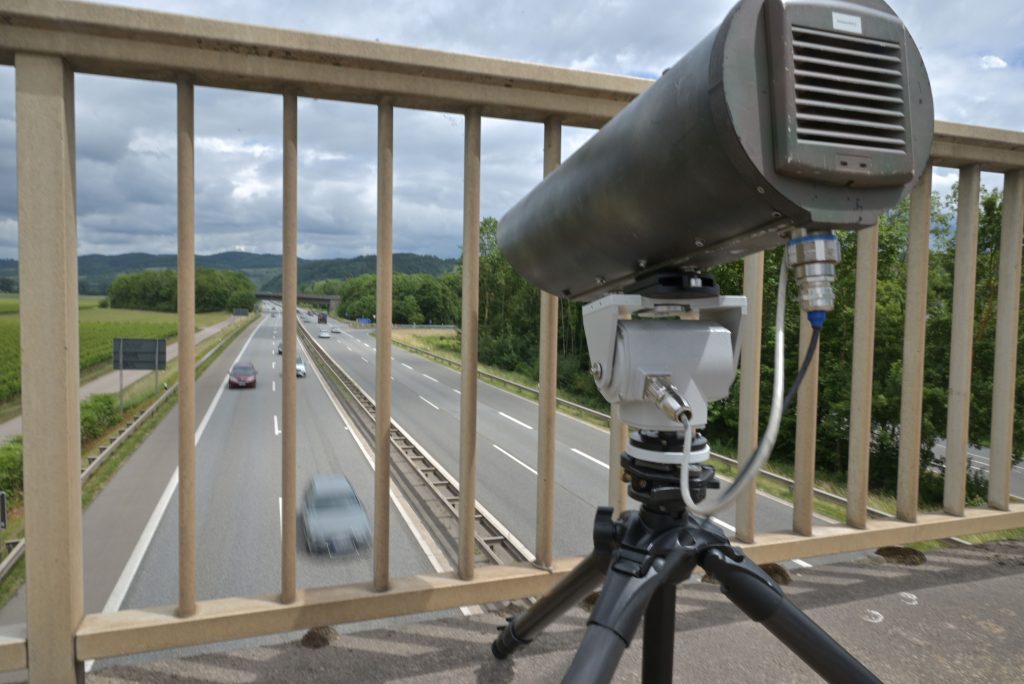
The MonoCam system employs advanced artificial intelligence to monitor and analyze real-time video feeds from traffic cameras. It identifies vehicles, detects the presence of mobile phones, and captures images of drivers engaged in phone use while driving. This technology aims to enhance law enforcement’s ability to address widespread violations of traffic regulations, particularly in cases where traditional methods fall short due to resource limitations. However, the Koblenz court’s ruling highlights a significant legal hurdle: the court found that the initial data collection process infringes on individuals’ rights to control their personal information, as it involves indiscriminate surveillance without a concrete basis for suspicion.
The court’s analysis pointed to the necessity of having a valid legal framework for such surveillance measures. It determined that existing laws, which require a factual basis for suspicion before conducting surveillance, do not adequately support the use of the MonoCam system. This ruling emphasizes the delicate balance between utilizing technology for public safety and protecting citizens’ privacy rights, a balance that is increasingly challenged in our digital age.
???? Impact Analysis
The implications of this ruling extend beyond legal considerations; they touch on broader societal concerns about surveillance and privacy. As technology continues to evolve, the integration of AI in law enforcement raises ethical questions about the extent to which citizens can be monitored. This case could set a precedent for how similar technologies are deployed in the future, potentially influencing public trust in law enforcement agencies. Moreover, as society grapples with the trade-offs between safety and privacy, there may be increased calls for clearer regulations governing the use of AI in surveillance, pushing lawmakers to address these critical issues more comprehensively.
???? Future Outlook
Looking ahead, the outcome of this case may prompt a reevaluation of how AI technologies are regulated in the context of law enforcement. As public awareness of privacy rights grows, we can expect more discussions around the ethical use of surveillance technologies. Additionally, the development of alternative methods for ensuring road safety without infringing on personal freedoms may emerge as a priority for policymakers and technologists alike.
Tech Source: verfassungsblog.de