



Supreme Court Ruling on Transgender Athletes: A Controversial Step in U.S. Sports Policy

Supreme Court Ruling on Transgender Athletes: A Controversial Step in U.S. Sports Policy
⚡ Tech Brief
The U.S. Supreme Court has upheld state-level bans on transgender athletes competing in women’s sports, a decision seen as a significant victory for conservative advocates and the Trump administration, raising concerns about discrimination and equality in sports.
???? Deep Dive
On Tuesday, the Supreme Court ruled in favor of allowing states to implement exclusionary policies for transgender athletes in public schools and colleges. This ruling aligns with a broader trend where more than half of U.S. states have enacted similar bans. Proponents argue that these measures are necessary to ensure fair competition in women’s sports, citing concerns over physical advantages that transgender women may have. However, opponents of the ruling argue that it violates the Equal Protection Clause of the U.S. Constitution and undermines the rights of transgender individuals, highlighting the ongoing debate about gender identity and inclusion in athletics.
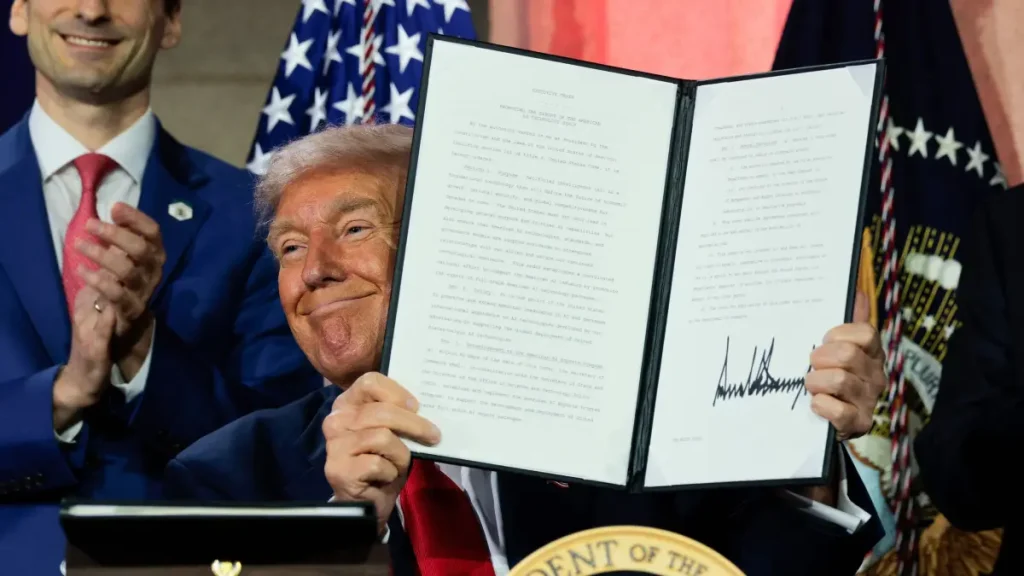
The ruling comes in the wake of a decree signed by former President Donald Trump in February 2025, which aimed to exclude biological males from women’s sports. This legal landscape reflects a growing polarization in U.S. society regarding gender issues, particularly in the realm of sports, where physicality and fairness are often at the forefront of discussions. As states navigate these regulations, the implications for transgender athletes could be profound, affecting their ability to compete and participate in sports at all levels.
???? Impact Analysis
The Supreme Court’s decision could have far-reaching implications for media coverage and societal attitudes towards transgender rights. As sports continue to serve as a microcosm of broader social issues, this ruling may influence how media outlets report on gender identity and equality, potentially leading to increased polarization in public opinion. Additionally, the ruling may affect the job market for sports professionals, coaches, and administrators, as they will need to navigate new regulations and the accompanying social dynamics.
Moreover, this decision could trigger a wave of legal challenges and further legislative actions across various states, as advocates on both sides of the debate mobilize to either support or contest these exclusionary policies. The ongoing discourse surrounding this issue is likely to shape the future of sports governance and the inclusion of marginalized groups.
???? Future Outlook
Looking ahead, the implications of this ruling will continue to unfold, with potential challenges in courts and state legislatures. As public awareness and advocacy around transgender rights grow, we can expect heightened scrutiny of policies affecting athletes. The intersection of sports, law, and societal values will remain a contentious battleground, influencing not only the future of competitive sports but also broader discussions about equality and human rights in America.
Tech Source: faz.net