



Europe’s Quest for Digital Sovereignty: New Partnerships on the Horizon

Europe’s Quest for Digital Sovereignty: New Partnerships on the Horizon
⚡ Tech Brief
In response to shifting geopolitical realities, the European Union is rethinking its digital strategy to enhance technological sovereignty through international partnerships, aiming to reduce reliance on dominant US and Chinese tech firms.
???? Deep Dive
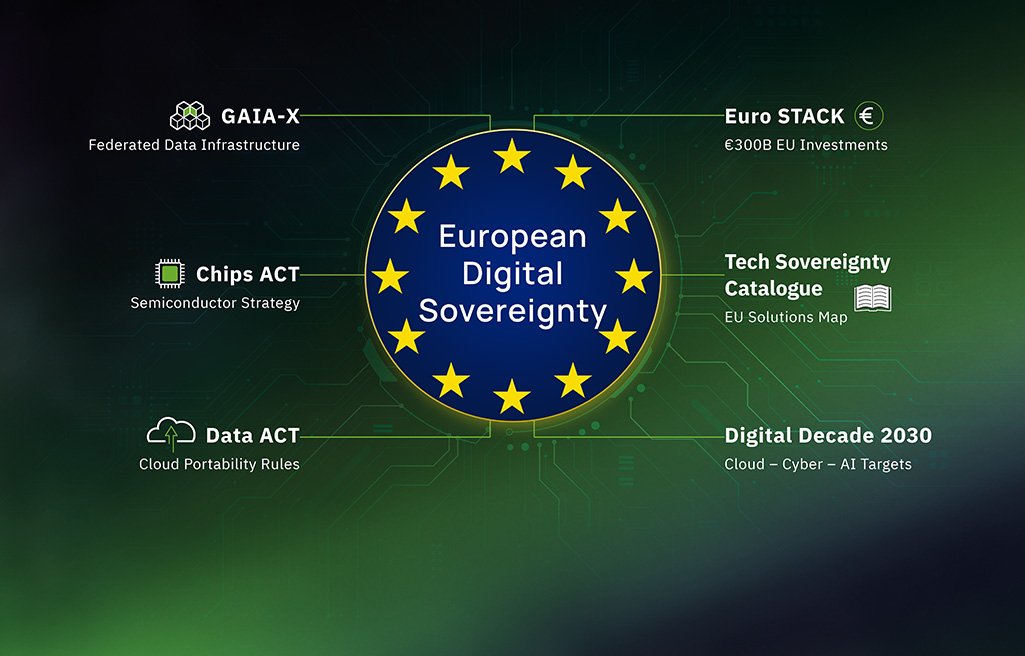
The EU’s digital strategy emphasizes the need for Europe to establish its own technological solutions to ensure competitiveness and autonomy. Germany’s ongoing struggle with digital sovereignty highlights the urgency of this initiative, particularly as concerns grow over the security implications of using foreign technology, such as Huawei in 5G networks. The EU plans to integrate national platforms like the ‘Deutschland-Stack’ into a broader ‘Eurostack’ to create a cohesive digital infrastructure. This vision includes developing a comprehensive ‘EU Tech Business Offer’ that promotes open business models in collaboration with partners from the Global South, addressing both technological needs and economic interests.
As the EU Commission prepares to introduce a legislative package for technological sovereignty by spring 2026, the focus will be on reducing critical dependencies in areas such as semiconductor production and cloud services. While Europe has strengths in deep-sea cables, satellite technology, and AI research, it must also engage the private sector and align member states to effectively compete against major US tech companies. The Global Gateway Initiative, which aims to fund over 250 projects in various sectors, is a strategic response to China’s Belt and Road Initiative, emphasizing digital cooperation that aligns with Europe’s economic and security goals.
???? Impact Analysis
The push for digital sovereignty in Europe has significant implications for media and society. By fostering local tech solutions, the EU aims to enhance data privacy and security, which could lead to more trustworthy digital environments for users. This shift may also create new job opportunities in tech sectors, particularly in areas like cloud computing and AI development, as Europe seeks to build its own technological ecosystem. However, the challenge remains in balancing innovation with regulatory frameworks that protect citizens’ rights and promote fair competition.
???? Future Outlook
As Europe embarks on this journey towards digital sovereignty, we can expect to see increased collaboration between governments, private sectors, and international partners. The success of the EU’s initiatives will depend on its ability to attract investment and talent while navigating complex geopolitical landscapes. The coming years will likely reveal whether Europe can establish a robust technological framework that not only meets its internal needs but also positions it as a competitive player on the global stage.
Tech Source: boell.de