



Navigating Tensions: Berlin’s Strategic Maritime Response in the Strait of Hormuz

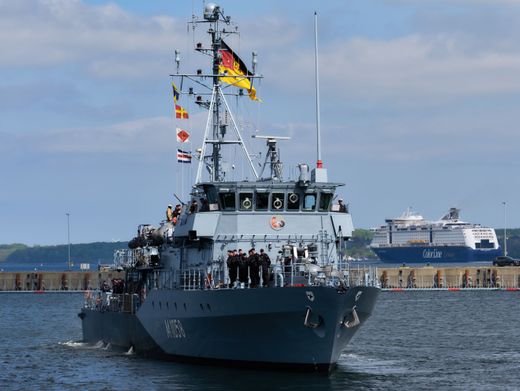
Navigating Tensions: Berlin’s Strategic Maritime Response in the Strait of Hormuz
As geopolitical tensions escalate in the Strait of Hormuz, Berlin finds itself at a crossroads. The potential involvement of the Bundeswehr in an international maritime mission raises critical questions about Germany’s role in global security and the legal implications of military engagement. This scenario reflects not only the urgency of the situation but also the complexities that lie ahead for Germany’s foreign policy.
The Strategic Importance of the Strait of Hormuz
The Strait of Hormuz is a vital artery for global oil trade, with approximately 20% of the world’s petroleum passing through its waters. Its strategic significance makes it a focal point for international maritime security, especially given the recent threats to shipping lanes. The potential for conflict in this region necessitates a robust response from global powers, and Germany’s consideration of military involvement signals a shift in its traditionally cautious foreign policy approach.
Legal and Political Implications of Military Engagement
The German government’s proposal for a Bundestag mandate to authorize military action introduces a complex legal landscape. Debates surrounding the legality of such a mission could dominate political discourse, as lawmakers grapple with the implications of deploying the Bundeswehr abroad. This scenario raises fundamental questions about national sovereignty, international law, and the responsibilities of NATO allies, highlighting the delicate balance between security and legality in military operations.
الخلاصة: As Berlin prepares for a possible maritime deployment in the Strait of Hormuz, the implications of its actions will resonate far beyond its borders. The decision to engage militarily is fraught with challenges that require careful navigation of both legal frameworks and international relations. The future of Germany’s role on the global stage hinges on its ability to respond effectively to emerging threats while upholding its commitments to peace and stability.