



Strengthening Alliances: The Significance of the Pistorius Defense Agreement in Warsaw

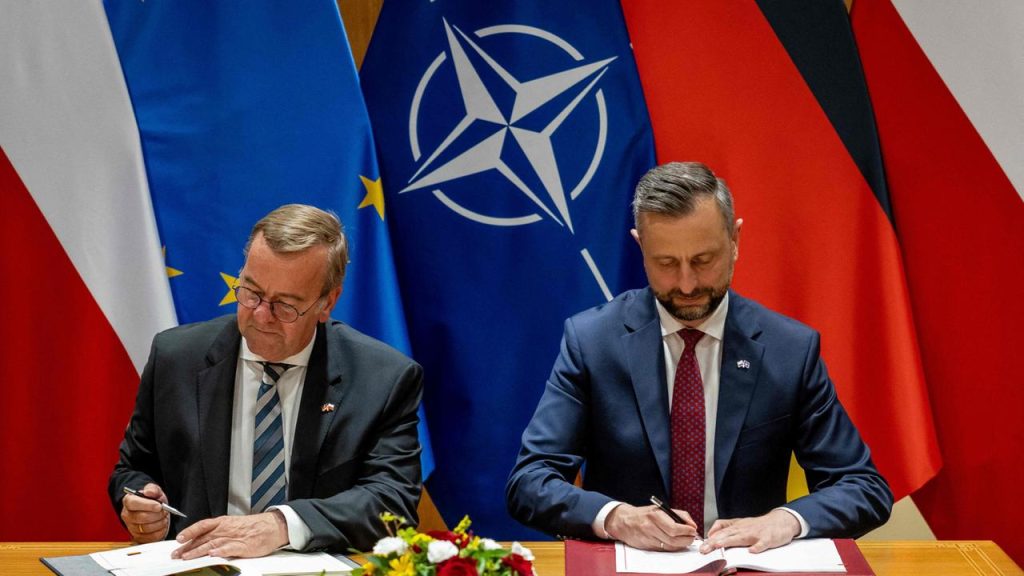
Strengthening Alliances: The Significance of the Pistorius Defense Agreement in Warsaw
In a pivotal moment for European security, Germany and Poland have solidified their military partnership by signing a defense agreement in Warsaw. This development not only underscores the commitment of both nations to mutual assistance but also reflects the evolving geopolitical landscape in the region, particularly in light of the threats posed by neighboring Russia and Belarus. As both countries navigate the complexities of historical grievances and contemporary security challenges, the implications of this agreement could shape the future of defense collaboration in Europe.
A New Chapter in German-Polish Relations
The recent signing of the defense agreement between Polish Defense Minister Władysław Kosiniak-Kamysz and German Defense Minister Boris Pistorius marks a significant milestone in the evolution of German-Polish relations. Both ministers emphasized that this agreement is not merely a bureaucratic formality but a testament to a long-standing friendship and shared responsibility for European security. With Poland’s geographical proximity to potential threats from the east, the agreement is a proactive step towards ensuring collective defense capabilities, demonstrating a commitment to a safer and more secure future for both nations.
Expanding Military Cooperation: A Comprehensive Approach
The defense agreement goes beyond traditional military cooperation, encompassing various domains such as cybersecurity, space research, and the protection of critical infrastructure. By addressing these multifaceted challenges, Germany and Poland aim to enhance their operational readiness and resilience against potential threats. The commitment to streamline military logistics and reduce bureaucratic hurdles will facilitate quicker responses in times of crisis, thereby strengthening the NATO alliance’s eastern flank. Furthermore, the joint initiatives to secure fuel supplies and enhance air defense capabilities signify a strategic alignment that could serve as a model for future collaborations among NATO members.
الخلاصة: The signing of the defense agreement in Warsaw is a defining moment for Germany and Poland, reflecting a shared vision for a secure and stable Europe. As both nations embrace their historical ties while looking forward, this collaboration could set a precedent for future defense partnerships in the region. With the evolving security landscape, the commitment to mutual support and cooperation will be crucial in navigating the challenges ahead, ultimately contributing to a more united and resilient European defense framework.