



The Cashless Revolution: Understanding Germany’s Shift Towards Digital Payments

The Cashless Revolution: Understanding Germany’s Shift Towards Digital Payments
As the landscape of payment methods evolves, a recent Bundesbank study reveals a significant trend: Germans are increasingly opting for cashless transactions over traditional cash. This shift raises critical questions about the future of currency, consumer behavior, and the implications for businesses and society at large.
The Rise of Cashless Payments
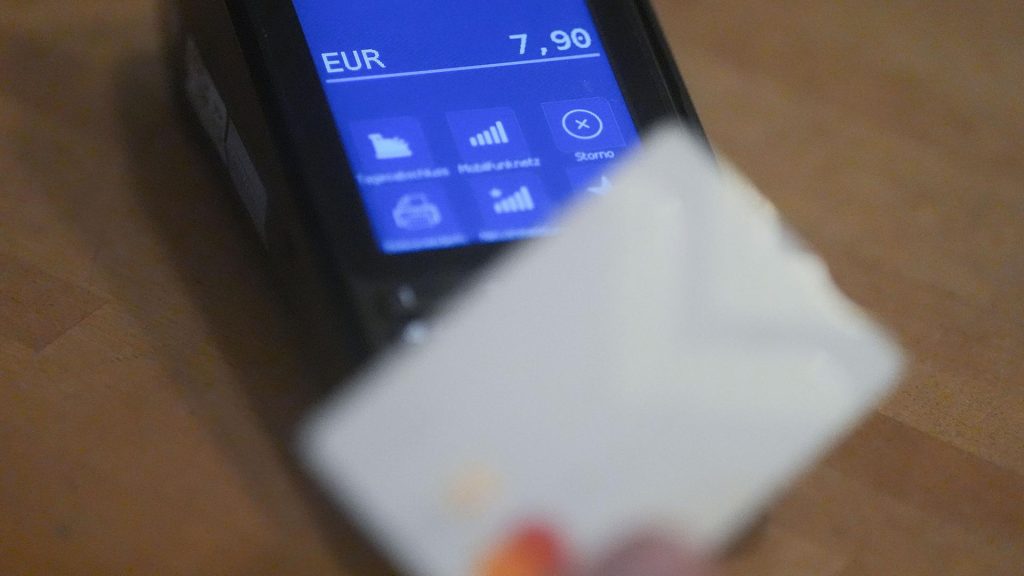
The Bundesbank study highlights a pivotal moment in Germany’s payment habits, where, for the first time, cashless transactions accounted for 55% of all purchases. This trend is largely driven by the growing acceptance of debit cards, particularly the Girocard, as well as the increasing popularity of mobile payments through smartphones and smartwatches. Consumers like Fiona, a university student, epitomize this shift, favoring the convenience and speed of cashless payments over the hassle of carrying cash.
Challenges and Concerns Surrounding Cashless Transactions
Despite the clear advantages of cashless payments, the study also uncovers significant concerns among consumers. Approximately 80% of respondents expressed a desire to retain the option of cash payments, indicating a strong attachment to traditional currency, especially among older demographics. Furthermore, the decline in the number of ATMs poses a challenge for those who still prefer cash, raising questions about accessibility and inclusivity in an increasingly digital economy. The Bundesbank emphasizes the importance of maintaining cash as a viable payment option to ensure that all segments of society are accommodated.
The Future of Payment Systems in Germany
Looking ahead, the Bundesbank is advocating for the development of European alternatives to the dominance of non-European payment providers like Apple and PayPal. One promising avenue is the proposed digital Euro, which could reshape the payment landscape in Europe. However, the implementation of such innovations requires a robust legal framework and extensive pilot testing, suggesting that the transition to a fully digital payment system may take years to materialize.
الخلاصة: The findings of the Bundesbank study underscore a transformative shift in Germany’s payment culture, with cashless transactions becoming the norm. While this evolution offers convenience and efficiency, it also raises important questions about accessibility and the future role of cash. As Germany navigates this transition, it will be crucial to balance innovation with inclusivity, ensuring that all consumers can participate in the evolving economy.