



Navigating Uncertainty: The 60-Day Fee-Free Passage in the Strait of Hormuz

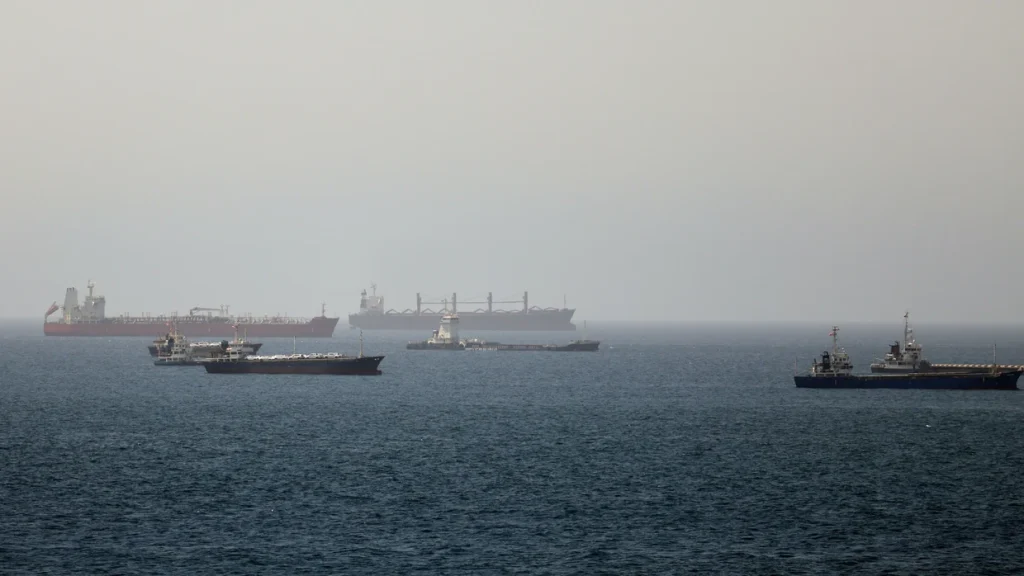
Navigating Uncertainty: The 60-Day Fee-Free Passage in the Strait of Hormuz
The recent announcement from Iran regarding a temporary fee-free passage through the strategic Strait of Hormuz for 60 days raises critical questions about maritime governance, regional stability, and international trade. As this pivotal waterway serves as a conduit for a significant portion of the world’s oil supply, the implications of this decision could reverberate far beyond the immediate geopolitical landscape.
The Context of the Agreement
The memorandum signed electronically between Tehran and Washington signifies a notable shift in the dynamics of maritime navigation in the Strait of Hormuz. Under this agreement, Iran and Oman are tasked with defining future maritime services and governance in the area, aligning with international law and the sovereignty rights of coastal states. This development not only highlights Iran’s desire to exert control over the strait but also reflects a broader trend where regional powers may seek to impose fees for maritime services, potentially setting a precedent that could influence other chokepoints globally.
Potential Consequences and International Reactions
Critics of the fee-free passage agreement express concern that Iran’s claims could embolden neighboring states to impose similar fees in their territorial waters, thus complicating international shipping routes. The historical precedent of unrestricted passage may be at risk, leading to heightened tensions among Gulf nations and impacting global oil prices. The G-7 nations have reiterated the importance of free navigation through the Strait of Hormuz, emphasizing that any restrictions could undermine the foundations of international trade. As the world watches closely, the next 60 days will be critical in determining whether this agreement leads to a stable maritime environment or escalates tensions in an already volatile region.
الخلاصة: The temporary nature of the fee-free passage through the Strait of Hormuz presents a unique opportunity for diplomatic engagement and conflict resolution in the region. However, it also poses significant risks if not managed carefully. The international community must remain vigilant and proactive in ensuring that the principles of free navigation are upheld, as the implications of this agreement could set a lasting precedent for maritime governance in strategic waterways worldwide.