



Navigating Contemporary Challenges: Taxation on Vices, Antisemitism Reports, and the G7 Summit in Évian

Navigating Contemporary Challenges: Taxation on Vices, Antisemitism Reports, and the G7 Summit in Évian
In an era marked by social and economic upheaval, the intersection of public health, social justice, and international diplomacy has never been more critical. Recent discussions surrounding increased taxes on tobacco, alcohol, and sugary drinks, alongside troubling reports on antisemitism, and the upcoming G7 summit in Évian, highlight the complexities of governance and societal values. How do these issues reflect broader societal concerns and what implications do they hold for the future?
The Case for Higher Taxes on Tobacco, Alcohol, and Sugar
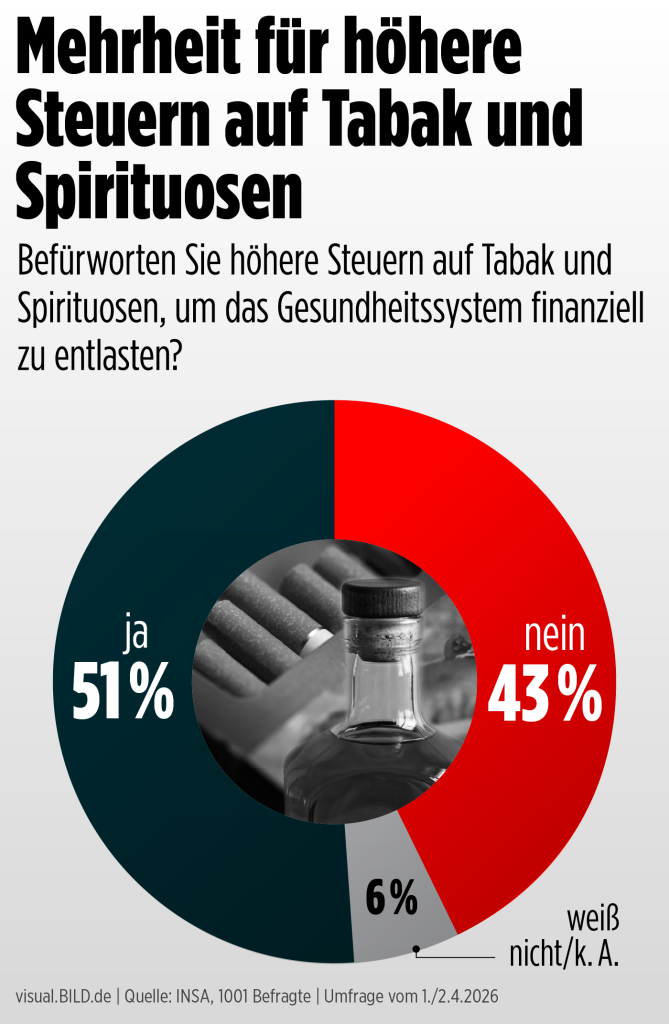
Recent proposals from the SPD and CSU to increase taxes on tobacco, alcohol, and sugary beverages have ignited a significant debate. Advocates argue that such measures are essential for public health, aiming to reduce consumption of harmful substances and subsequently lower healthcare costs. However, critics warn that these taxes disproportionately affect lower-income populations, raising questions about equity and the effectiveness of such policies in achieving their intended health outcomes. As governments grapple with balancing revenue generation and public health, the social ramifications of these taxes become increasingly relevant.
Antisemitism: A Disturbing Resurgence
The rise of antisemitism in contemporary society poses a grave challenge, often masquerading as legitimate concern or criticism. Reports indicate a troubling increase in antisemitic incidents, prompting calls for urgent action from governments and communities alike. This resurgence not only threatens the safety and dignity of Jewish individuals but also undermines the very fabric of social cohesion. Understanding the roots and manifestations of antisemitism is crucial in fostering a more inclusive society, where diversity is celebrated rather than vilified.
The G7 Summit in Évian: A Platform for Global Cooperation
The upcoming G7 summit in Évian represents a critical opportunity for world leaders to address pressing global challenges. From climate change to economic recovery post-pandemic, the summit aims to foster cooperation among the world’s largest economies. However, the effectiveness of such gatherings often hinges on the ability of leaders to transcend national interests in favor of collective global solutions. As discussions unfold, the impact of domestic issues, such as those related to taxation and social justice, will undoubtedly influence the dialogue on the international stage.
الخلاصة: As we navigate these multifaceted issues, it becomes clear that the interplay between taxation, social justice, and international diplomacy is vital in shaping a healthier, more equitable world. The decisions made today will resonate through generations, underscoring the importance of thoughtful, inclusive policymaking in addressing the challenges of our time.