



Navigating NATO’s Crisis: Europe’s Strategic Response to Trump’s Withdrawal

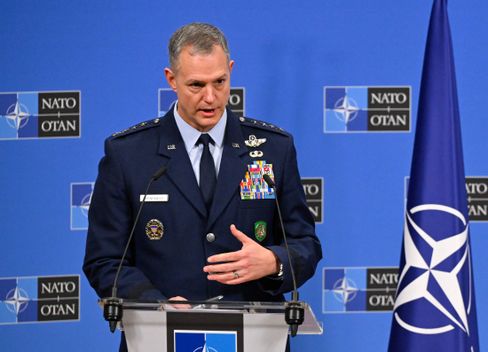
Navigating NATO’s Crisis: Europe’s Strategic Response to Trump’s Withdrawal
As the United States significantly reduces its military commitments to NATO, European nations face a pressing dilemma. The uncertainty surrounding America’s reliability as a security partner raises critical questions about the future of transatlantic relations and the defense architecture in Europe. This situation compels European countries to reassess their roles within NATO and explore how they can fill the void left by the U.S. under Trump’s administration.
Britain’s Leadership Role in NATO
In response to the reduced American presence, the United Kingdom has stepped up to fill the gaps in NATO’s collective defense framework. By increasing its troop deployments and military expenditures, Britain aims to reassure both allies and adversaries of its commitment to European security. This renewed focus on defense not only strengthens NATO but also positions the UK as a key player in shaping the alliance’s future direction amidst uncertainty.
Germany’s Hesitation and Potential Shift
While the UK takes a proactive stance, Germany remains cautious, grappling with its historical context and domestic politics. The German government has been slow to increase defense spending, reflecting a reluctance to take on a more assertive military role. However, the pressures of the current geopolitical landscape may force Germany to reconsider its position. If Germany can overcome its hesitations, it could play a pivotal role in bolstering NATO’s capabilities and fostering a more unified European defense strategy.
الخلاصة: The crisis within NATO, exacerbated by the U.S. withdrawal under Trump, presents both challenges and opportunities for Europe. As nations like the UK take on leadership roles, and Germany contemplates a shift in its defense posture, the future of NATO will largely depend on the ability of European countries to collaborate effectively. Their collective response will not only determine the alliance’s resilience but also shape the security landscape of Europe for years to come.