



The European Response: Filling the Void Left by U.S. Military Withdrawals from NATO

The European Response: Filling the Void Left by U.S. Military Withdrawals from NATO
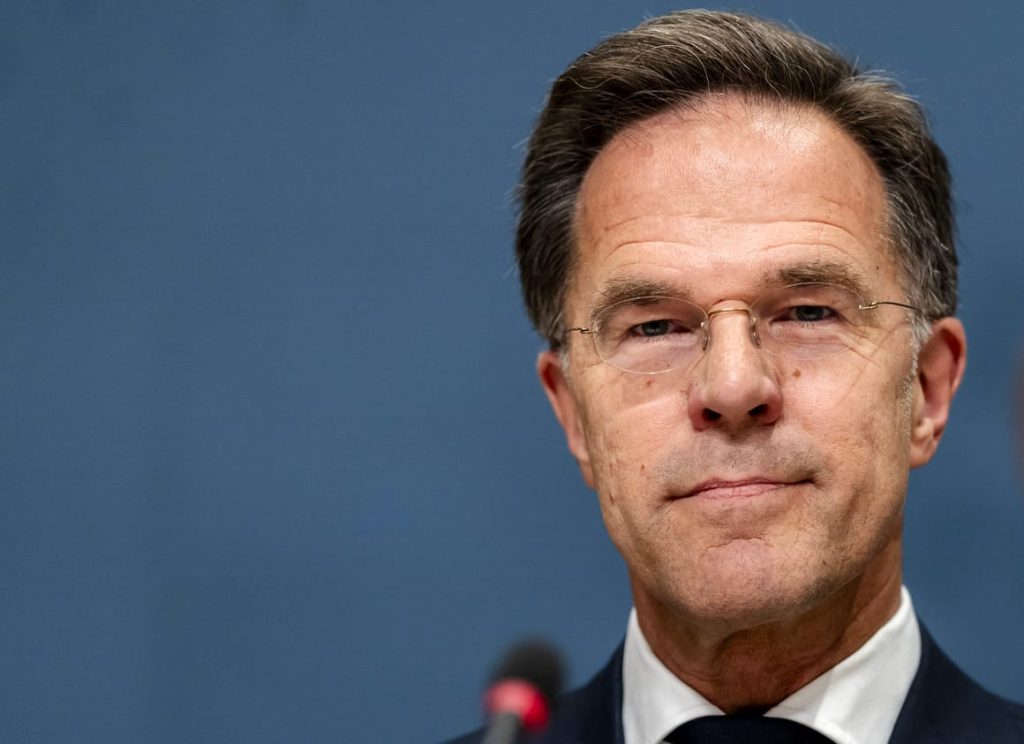
As the geopolitical landscape shifts and the United States begins to withdraw significant military resources from NATO, the question arises: how will Europe respond to this strategic vacuum? With NATO chief Mark Rutte’s recent assertion that European allies are stepping up to replace most of the U.S. military capabilities, the implications for transatlantic relations and European defense readiness are profound. This situation not only highlights Europe’s growing military ambitions but also signals a potential reconfiguration of defense strategies within the alliance.
The U.S. Withdrawal: A Strategic Shift
The recent announcement by the United States to pull various military assets from NATO’s collective pool marks a significant change in the alliance’s operational dynamics. This withdrawal includes strategic bombers, fighter jets, drones, submarines, and warships, which have traditionally been pivotal in NATO’s deterrence and defense strategies. As the U.S. recalibrates its military focus, primarily towards the Indo-Pacific region, the reliance on European allies to fill this gap becomes increasingly critical. The implications of this withdrawal extend beyond mere asset replacement; they challenge the very foundation of NATO’s collective defense principle and require a reassessment of Europe’s military capabilities and commitments.
Europe’s Commitment: A New Era of Defense Responsibility
In response to the U.S. military withdrawal, European NATO allies are not only acknowledging the need for increased defense spending but are also actively engaging in discussions to enhance their military readiness. According to Rutte, much of the required replacement has already been addressed, with European nations stepping up to fill the void left by the U.S. This commitment reflects a broader trend towards European strategic autonomy, where nations are beginning to prioritize their defense capabilities and seek greater self-reliance in security matters. Such a shift could lead to a more balanced transatlantic relationship, where Europe assumes a more prominent role in collective defense, ultimately reshaping NATO’s operational landscape and its future direction.
الخلاصة: The transition towards European allies replacing U.S. military capabilities within NATO represents a pivotal moment in the alliance’s history. As Europe steps up to meet its defense responsibilities, the implications for global security are profound. This shift not only enhances Europe’s military posture but also fosters a new era of collaboration and strategic independence within NATO. Moving forward, the ability of European nations to effectively manage this transition will be crucial in maintaining the alliance’s integrity and ensuring collective security in an increasingly complex geopolitical environment.