



Moderna’s Intriguing Interest in BioNTech’s German Operations: A Strategic Move or a Desperate Gamble?

Moderna’s Intriguing Interest in BioNTech’s German Operations: A Strategic Move or a Desperate Gamble?
In a landscape where pharmaceutical giants vie for supremacy, Moderna’s recent overtures towards acquiring BioNTech’s facilities in Germany raise critical questions about market dynamics, corporate strategy, and the future of mRNA technology in Europe. As BioNTech announces the closure of several production sites due to declining vaccine revenues, Moderna’s interest appears both opportunistic and strategically calculated. This situation unveils layers of hidden motivations and potential ramifications for the pharmaceutical industry.
The Strategic Calculus Behind Moderna’s Interest
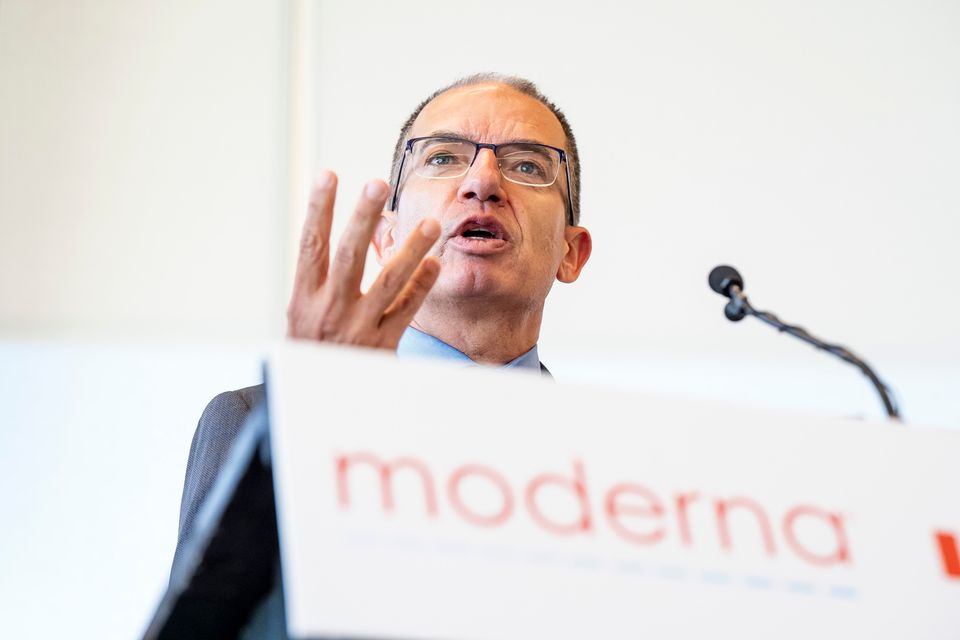
Moderna’s CEO, Stéphane Bancel, has made it clear that the company is exploring the acquisition of BioNTech’s German facilities as a viable alternative to building new plants. This approach not only reflects a desire for immediate operational capacity but also underscores a strategic pivot in a market characterized by uncertainty. Bancel’s discussions with the German government suggest a broader agenda: to secure favorable conditions that would allow Moderna to thrive in a competitive landscape. The looming threat of BioNTech’s site closures, which could impact up to 1,800 jobs, presents a unique opportunity for Moderna to bolster its production capabilities while simultaneously addressing the dire need for mRNA manufacturing in Europe. However, the underlying question remains: is this interest genuinely about enhancing production, or is it a calculated move to undermine a competitor in a time of vulnerability?
The Implications of BioNTech’s Decline and Moderna’s Ambitions
BioNTech’s recent announcements regarding the closure of multiple sites signal a troubling trend in the mRNA sector, exacerbated by a significant drop in vaccine sales. The company, once a beacon of innovation during the pandemic, now finds itself struggling to maintain its market position. The potential acquisition by Moderna could reshape the competitive landscape, but it also raises ethical concerns regarding market consolidation and the future of innovation in the industry. Bancel’s insistence on better regulatory frameworks from the German government hints at a larger power play, where Moderna seeks to establish not just a foothold but a dominant position in the European market. The specter of losing mRNA production capabilities in Germany highlights a critical sovereignty issue, especially as competitors in China ramp up their efforts. Thus, while Moderna’s interest may appear opportunistic, it is underpinned by a strategic necessity to secure its future in an increasingly competitive environment.
الخلاصة: As the pharmaceutical landscape evolves, Moderna’s interest in BioNTech’s German facilities serves as a microcosm of larger industry trends. The intertwining of opportunity and desperation reflects the precarious state of mRNA technology and the broader implications for public health and innovation. The potential acquisition, if it materializes, could redefine the competitive dynamics in the sector, but it also raises pressing questions about the ethical implications of corporate consolidation. Ultimately, the outcome of this scenario will not only impact the companies involved but could also have lasting effects on the future of healthcare in Europe.