



Germany’s Offshore Wind Revolution: A Multi-Billion Euro Opportunity

Germany’s Offshore Wind Revolution: A Multi-Billion Euro Opportunity
As the global transition towards renewable energy accelerates, Germany stands at a pivotal moment with the recent awarding of a multi-billion euro contract for offshore wind farm connectivity. This development not only promises to rejuvenate the struggling shipbuilding industry but also reinforces Germany’s commitment to sustainable energy. The challenge lies in harnessing this opportunity to create jobs and stimulate economic growth while ensuring technological advancement in the renewable sector.
A New Dawn for German Shipyards
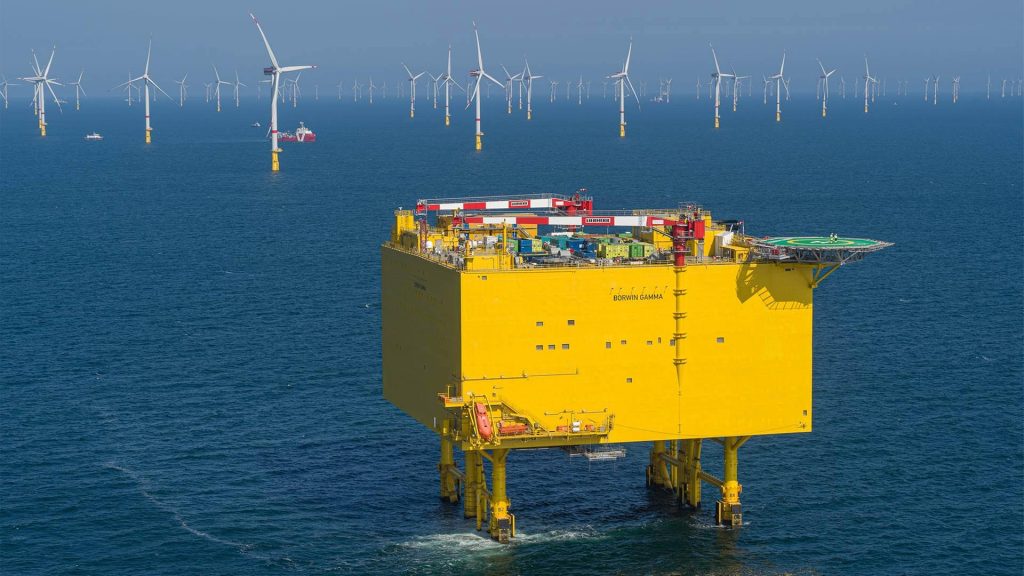
After years of crisis, German shipyards are experiencing a resurgence thanks to a significant contract awarded to a consortium led by Siemens Energy and Neptun Smulders. The project involves the construction of offshore converter platforms that will facilitate the transport of wind energy from the North Sea to the mainland. This initiative is expected to create up to 500 jobs in the region, particularly in Rostock-Warnemünde, where the majority of the manufacturing will take place. The revival of the shipbuilding sector is not just a local phenomenon; it signals a broader trend of industrial growth and innovation in Germany.
Technological Advancements and Economic Implications
The offshore converter platforms are designed to convert the alternating current generated at sea into direct current, allowing for efficient long-distance transmission with minimal losses. This technology is crucial for integrating renewable energy into Germany’s power grid. The North Sea Connector 2 project, which includes both an offshore platform and an onshore converter station, is set to enhance the country’s energy infrastructure significantly. With the potential for a second similar project in negotiations, the total investment could reach approximately 2.5 billion euros, predominantly benefiting the local economy in Mecklenburg-Vorpommern. This influx of capital is expected to stimulate job creation and bolster the region’s industrial capabilities.
الخلاصة: The multi-billion euro offshore wind connectivity project is not merely a contract; it represents a transformative opportunity for Germany’s energy landscape and its industrial sectors. As the country aims for a sustainable future, the successful execution of this project could set a precedent for future investments in renewable energy technologies. By leveraging local expertise and resources, Germany can solidify its position as a leader in the global renewable energy market, ensuring economic growth and job creation for years to come.