



The Hidden Costs of Consumption: Taxes, Prejudice, and Global Leadership

The Hidden Costs of Consumption: Taxes, Prejudice, and Global Leadership
As governments grapple with the complexities of public health and social responsibility, the recent discussions surrounding increased taxes on tobacco, alcohol, and sugary drinks raise profound questions about the underlying motivations and potential consequences. Meanwhile, the alarming rise of antisemitism cloaked in seemingly benign inquiries demands our attention, especially in the context of international gatherings like the G7 summit in Évian, where leaders must confront not just economic issues, but also the moral fabric of our societies.
The Taxation Debate: A Double-Edged Sword
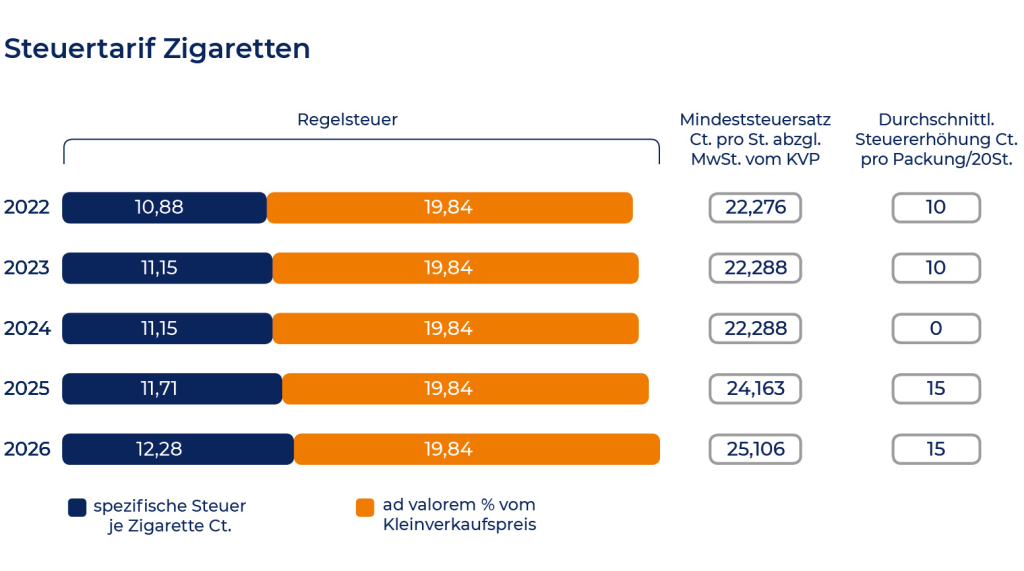
The recent push by SPD and CSU to impose higher taxes on schnapps, cigarettes, and sugary sodas reflects a growing awareness of the health impacts associated with these products. However, this initiative raises critical questions about the effectiveness of taxation as a tool for public health. While proponents argue that higher prices will deter consumption, skeptics point out that such measures disproportionately affect lower-income individuals, potentially leading to a regressive tax system. Moreover, one must consider the hidden agendas behind these policies: are they genuinely aimed at improving public health, or do they serve as a convenient revenue stream for governments struggling with budget deficits?
Antisemitism: A Veil of Concern
In a disturbing trend, antisemitism often masquerades as ‘concerned inquiry,’ reflecting a deeper societal malaise. The recent reports highlighting this phenomenon suggest that expressions of worry about Jewish influence or power are not merely innocent questions but rather a resurgence of age-old prejudices. This insidious form of antisemitism complicates the narrative, as it allows individuals to cloak their biases in a veneer of legitimacy. As global leaders convene at the G7 summit in Évian, they must address not only economic disparities but also the rising tide of hate that threatens the very foundations of democratic societies. The question remains: will they rise to the occasion, or will they sidestep the issue in favor of more palatable discussions?
الخلاصة: The intersection of taxation, prejudice, and global leadership reveals a complex landscape requiring careful navigation. As we scrutinize the motivations behind policy decisions and societal attitudes, it becomes clear that the challenges we face are not merely economic but deeply rooted in our collective values. The G7 summit in Évian presents a crucial opportunity for leaders to confront these issues head-on, fostering a dialogue that transcends mere fiscal policy and addresses the moral imperatives of our time.