



Unmasking the Deceptions: Fakes Surrounding the 2026 World Cup

Unmasking the Deceptions: Fakes Surrounding the 2026 World Cup
As the 2026 FIFA World Cup approaches, a wave of disinformation threatens to overshadow the excitement of the event. From AI-generated images that distort reality to fraudulent ticket shops luring unsuspecting fans, the digital landscape is rife with deception. This analysis delves into the mechanisms behind these fakes, exposing the hidden motives and societal implications that lie beneath the surface.
The Rise of AI-Generated Fakes
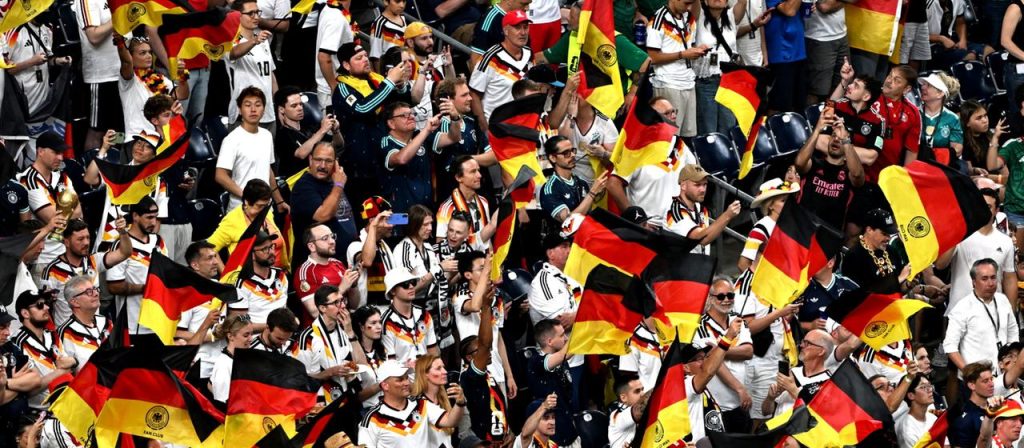
Recent events have highlighted the alarming prevalence of AI-generated images in the context of the World Cup. A particularly notorious example involves a manipulated image of a German fan resembling Adolf Hitler, which went viral across social media platforms. Despite its widespread circulation, investigations reveal that this image was digitally altered using AI tools, specifically ChatGPT. The original footage from the match shows a completely different individual, debunking the myth perpetuated by the fake image. This incident raises critical questions about the ethics of AI in media and the responsibility of platforms in combating misinformation.
Sexist Narratives Amplified by Technology
In addition to political distortions, the World Cup has also seen a surge in sexist AI-generated content. Images depicting women in exaggeratedly sexualized forms at matches have circulated widely, often misrepresenting the actual events. For instance, a manipulated photo of ARD presenter Esther Sedlaczek showcases a drastic alteration of her appearance, aimed at drawing attention through sensationalism. These fakes not only perpetuate harmful stereotypes but also reflect a deeper societal issue regarding the representation of women in sports. The viral nature of such content underscores the urgent need for critical media literacy among audiences.
The Shadow of Disinformation Campaigns
The 2026 World Cup is not immune to the influence of organized disinformation campaigns, particularly from foreign entities. Reports indicate that Russian disinformation efforts have infiltrated social media narratives surrounding the event. A fabricated video alleging misconduct by French football star Kylian Mbappé against President Emmanuel Macron exemplifies the manipulation of public perception for political gains. Such campaigns exploit the global attention on the World Cup to sow discord and confusion, highlighting the intersection of sports and geopolitics in the digital age.
Beware of Fraudulent Ticket Shops
As fans gear up for the World Cup, the threat of fraudulent ticket shops looms large. The FBI has issued warnings about counterfeit websites masquerading as official FIFA platforms, offering fake tickets to unsuspecting fans. These sites often mimic the official FIFA domain closely, with minor alterations that can easily deceive the average user. The urgency of this issue calls for heightened vigilance among fans, emphasizing the importance of verifying URLs and avoiding suspicious links. The proliferation of such scams not only jeopardizes individual fans but also tarnishes the integrity of the event itself.
الخلاصة: The impending 2026 World Cup is set against a backdrop of misinformation and deception that threatens to undermine the spirit of the game. As AI technology continues to evolve, the responsibility falls on both individuals and platforms to remain vigilant against the tide of fakes. By fostering critical thinking and awareness, we can combat the spread of disinformation and ensure that the World Cup remains a celebration of sport, unity, and authenticity.