



50 Years of the Soweto Uprising: The Dawn of a New Era Against Apartheid

50 Years of the Soweto Uprising: The Dawn of a New Era Against Apartheid
The Soweto Uprising of June 16, 1976, serves as a pivotal moment in the struggle against apartheid in South Africa. This grassroots movement, ignited by the courageous actions of thousands of students, not only challenged the oppressive educational policies of the apartheid regime but also marked the beginning of the end for institutionalized racism in the country. As we reflect on this significant anniversary, we must confront the ongoing social disparities that linger in South Africa today, questioning whether the dreams of those young activists have been realized.
The Spark of Rebellion: A Call to Action
In the heart of Soweto, a township predominantly inhabited by Black South Africans, students took to the streets to protest against the imposition of Afrikaans as the medium of instruction in schools. This decision was perceived as a direct attack on their culture and identity, igniting a fierce determination among the youth. The uprising was not merely a reaction to educational policies; it was a collective stand against years of systemic oppression and disenfranchisement. The bravery displayed by these students, led by figures like Tsietsi Mashinini, transformed a local protest into a national movement, drawing attention to the injustices faced by the Black majority.
The Brutal Response: A Turning Point in the Struggle
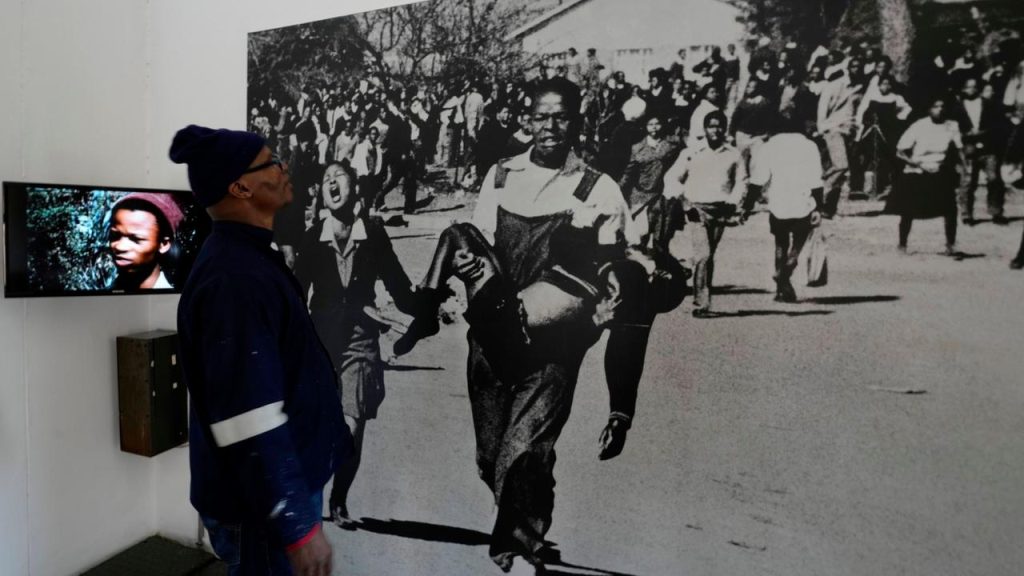
The response from the apartheid regime was swift and brutal, with police deploying tear gas and live ammunition against unarmed protesters. The tragic death of Hector Pieterson, a 13-year-old boy shot during the uprising, became a symbol of the struggle against apartheid, as his image captured the world’s attention and outrage. This moment galvanized international support for the anti-apartheid movement, leading to increased pressure on the South African government to dismantle its racist policies. The Soweto Uprising highlighted not only the immediate violence of the regime but also the resilience and determination of those fighting for justice.
Legacy and Reflection: A Mixed Reality
Fifty years later, South Africa stands as a democratic nation, yet the legacies of apartheid continue to cast long shadows over its society. While significant political changes have occurred, economic disparities remain stark. Many South Africans, particularly the youth, still face high unemployment rates and limited access to quality education. The dream of equality and opportunity, once ignited by the flames of the Soweto Uprising, has not fully materialized for many. The ongoing struggle against ‘economic apartheid’ emphasizes the need for continued activism and reform to ensure that the sacrifices made by those brave students are honored through tangible change.
الخلاصة: The Soweto Uprising was a defining moment in the fight against apartheid, symbolizing the courage and resilience of a generation determined to reclaim their rights. As we commemorate its 50th anniversary, we must acknowledge both the progress made and the challenges that persist. The fight for true equality and justice in South Africa is far from over, and it is incumbent upon us to ensure that the legacy of those who stood up against oppression continues to inspire future generations.