



The Impending Void: Navigating NATO’s Challenges Amidst US Withdrawal from Europe

The Impending Void: Navigating NATO’s Challenges Amidst US Withdrawal from Europe
The strategic landscape of Europe is undergoing a seismic shift as the United States announces its withdrawal from conventional defense commitments. This transition raises critical questions about NATO’s ability to fill the gaps left by American forces, particularly in the realms of nuclear deterrence and advanced military capabilities. As European nations brace themselves for a new era of self-reliance, the implications of this withdrawal extend far beyond mere troop numbers, challenging the very fabric of transatlantic security.
The Evolving Defense Landscape
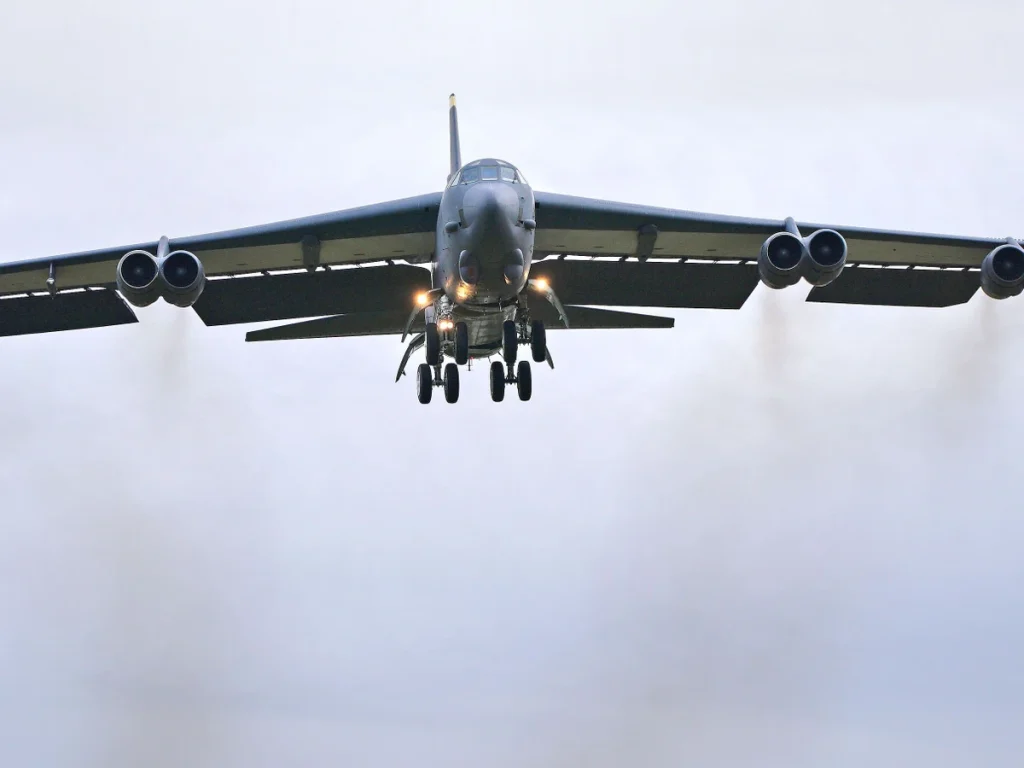
Since February 2025, the United States has made it clear that Europe will bear the brunt of its conventional defense. The previous rhetoric of burden-sharing has shifted to burden-shifting, with NATO members now tasked with compensating for the American military’s retreat. While some capabilities, such as fighter jets and reconnaissance drones, can be relatively easily replaced, the withdrawal of long-range bombers and nuclear-capable submarines presents a significant challenge. European nations must grapple with the reality that they lack comparable long-range strike capabilities, leaving a critical gap in deterrence.
The Nuclear Deterrence Dilemma
The withdrawal of American long-range bombers and nuclear-capable submarines marks a pivotal moment for NATO’s nuclear deterrence strategy. Without these assets, European nations find themselves vulnerable, as no European country possesses similar bombers. The reliance on the American nuclear umbrella is increasingly precarious, especially as the U.S. has opted not to station comparable weapons in Europe. This situation compels European leaders to reassess their defense strategies and consider developing indigenous capabilities to ensure their security in the face of potential threats.
The Quest for Advanced Military Capabilities
Efforts to develop advanced military capabilities within Europe have faced significant hurdles. Initiatives for precision strike weapons capable of reaching targets around Moscow have stalled, with little progress made on selecting industrial partners. This stagnation highlights a reliance on American solutions that are no longer forthcoming. In contrast, Ukraine has successfully developed advanced missile systems, suggesting a potential avenue for collaboration that could enhance European defense. The urgency of this situation underscores the need for a paradigm shift in European military planning, moving away from dependence on the U.S. and towards a more autonomous defense posture.
الخلاصة: As the U.S. withdraws from Europe, NATO faces unprecedented challenges that require immediate and strategic responses. The gaps in conventional and nuclear capabilities cannot be ignored, as they threaten the security landscape of the continent. European nations must take proactive steps to enhance their military readiness and develop independent capabilities to ensure that they are not left vulnerable in an increasingly complex geopolitical environment. The future of NATO and European security hinges on the ability to adapt to this new reality, fostering a sense of unity and purpose among member states.