



Unity in Crisis: Merz Advocates for a Transatlantic Alliance on the Ukraine Conflict

Unity in Crisis: Merz Advocates for a Transatlantic Alliance on the Ukraine Conflict
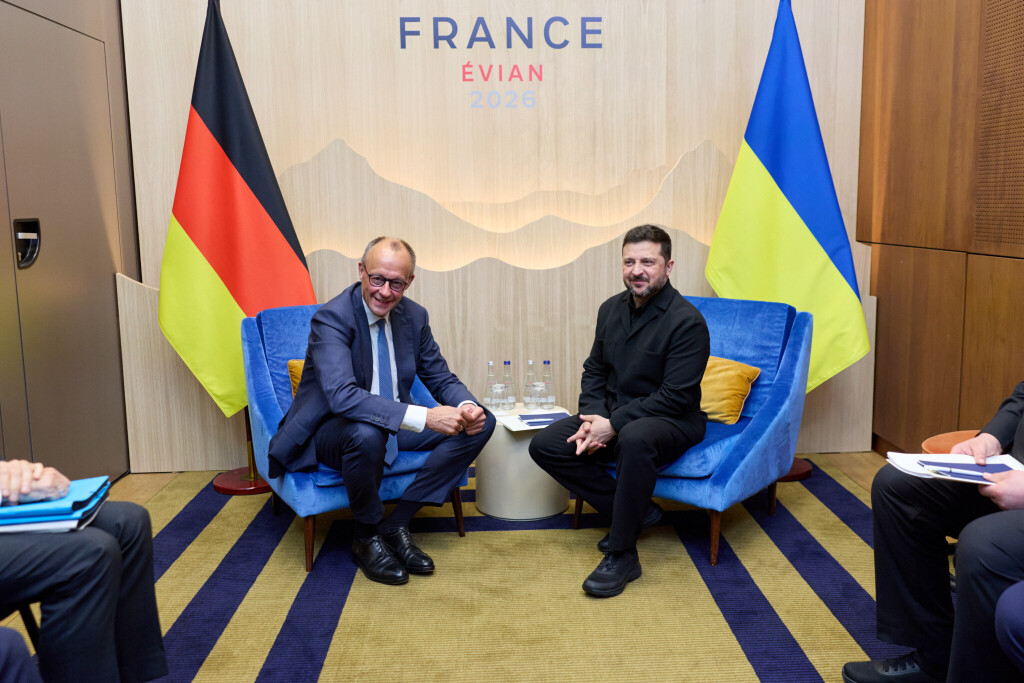
As the G7 summit unfolds in Évian, the geopolitical landscape is fraught with tension and uncertainty, particularly regarding the ongoing conflict in Ukraine. The stakes are high, and the question arises: can Europe and the United States truly forge a unified front to address this crisis? Chancellor Merz’s optimistic stance suggests a potential shift in strategy, yet underlying motivations and historical precedents warrant a critical examination.
The G7 Summit: A Platform for Collaboration or Division?
The G7 summit in Évian serves as a critical juncture for world leaders to discuss pressing global issues, with the Ukraine conflict at the forefront. Chancellor Merz’s assertion that Europe and the U.S. could work together to end the war raises questions about the effectiveness of such collaboration. Historically, G7 meetings have often been marred by divergent interests among member states, leading to more rhetoric than actionable solutions. Merz’s optimism may reflect a desire for unity, but it also risks obscuring the complex realities of international diplomacy where national interests often clash.
The Hidden Agendas: What Lies Beneath the Surface?
While Merz’s call for a unified approach is commendable, one must consider the hidden agendas at play. The U.S. has long viewed Europe as a strategic ally, yet its interests in Ukraine are not solely altruistic. The military-industrial complex, coupled with the desire to counter Russian influence, may drive U.S. actions more than a genuine concern for Ukrainian sovereignty. Moreover, Merz’s engagement with Trump, who has historically favored isolationist policies, raises eyebrows. Is this a genuine attempt to bridge divides, or merely a political maneuver to gain favor with a significant faction within the U.S. political landscape?
الخلاصة: In conclusion, while Chancellor Merz’s vision for a collaborative effort between Europe and the U.S. regarding the Ukraine conflict is an appealing narrative, it is imperative to dissect the underlying motivations and historical context that shape such alliances. The G7 summit may provide a platform for dialogue, but whether it translates into meaningful action remains to be seen. The complexities of international relations demand a critical lens, as the path to peace in Ukraine is fraught with competing interests and hidden agendas.